10 Best Multi-Day Cusco Treks & Useful Cusco Trekking Guide Tips
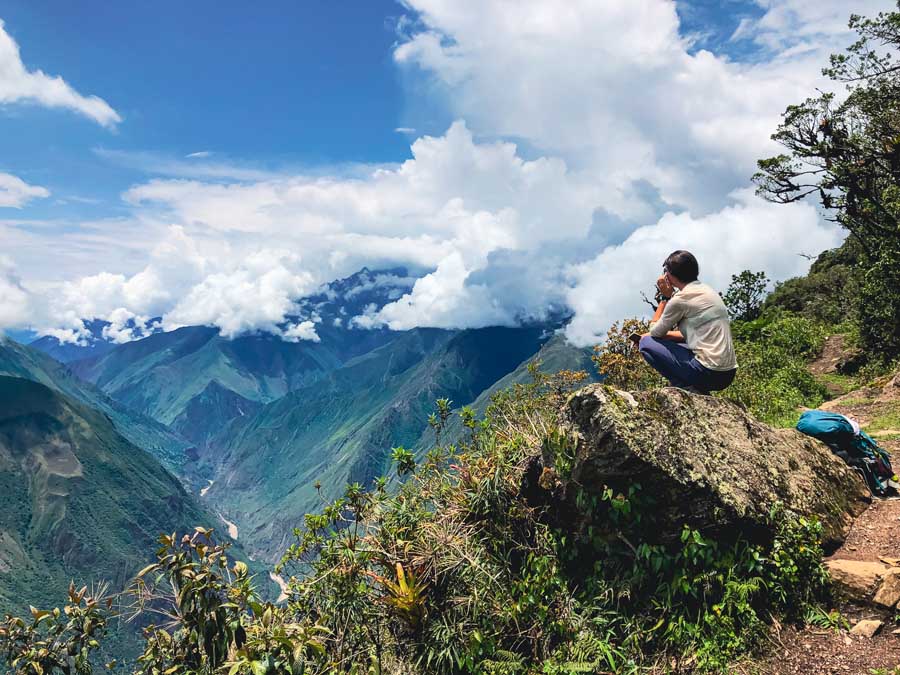
The tall grass sways in the wind. Alpacas congregate next to a shimmering turquoise lake. Inca ruins constructed from massive stones are miniaturized next to towering mountains. Sleep under the swirls of the Milky Way. These are all things to experience and be in awe of when trekking in Cusco Peru.
There are endless and incredible multi-day Cusco treks, that zigzag through the mountains, but the most famous is the Inca Trail to Machu Picchu. While the Inca Trail is spectacular, there are a wide range of treks in Cusco that are often overlooked. Many of these hiking trails include unforgettable voyages to remarkable and sacred Inca sites, cultural treks through small villages honoring traditional ways, and mind-blowing treks that continue to top the “World’s Best Treks” list.
With oodles of hiking routes to choose from in the Cuzco region, it’s important to be safe and prepared when planning for a trek in Cusco. Spend at least a few days exploring the magic of the Imperial City of Cuzco, which will help acclimate you to the high elevation. If planning on adding a few of these Cusco treks to your Peru bucket list, it’s best to spend at least a month or two in Cusco Peru.
Here are 10 of the best Cusco multi-day treks and useful safety tips for trekking in Cusco.
Table of Contents
- Top Cusco Treks to Machu Picchu
- Cusco Treks Near the Sacred Valley
- Awesome Cusco Treks to Stunning Inca Ruins
- Cusco Treks That Take Your Breath Away
- Cusco Trekking Safety Tips
- Conclusion | 10 Best Multi-Day Cusco Treks
Top Cusco Treks to Machu Picchu
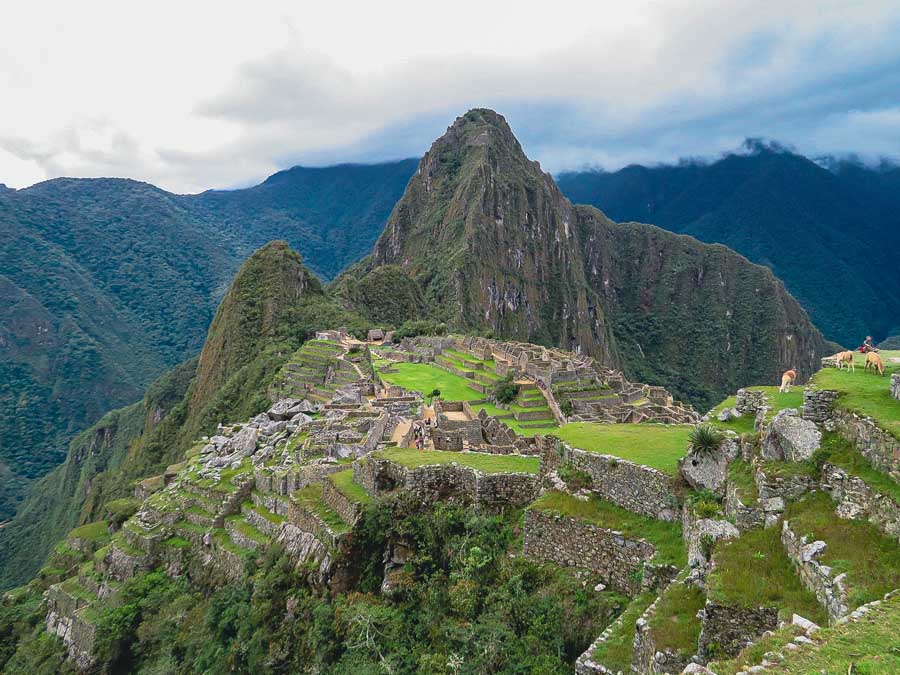
When travelers think of trekking in Cusco, the most popular route that comes to mind is the mystical trek to Machu Picchu. The most popular trekking route to Machu Picchu is the Classic Inca Trail. Those who plan on trekking the Inca Trail to Machu Picchu must have a guide and a permit. However, there are other Cusco treks that lead to the Lost City of Machu Picchu that require neither.
1 | Classic Inca Trail to Machu Picchu
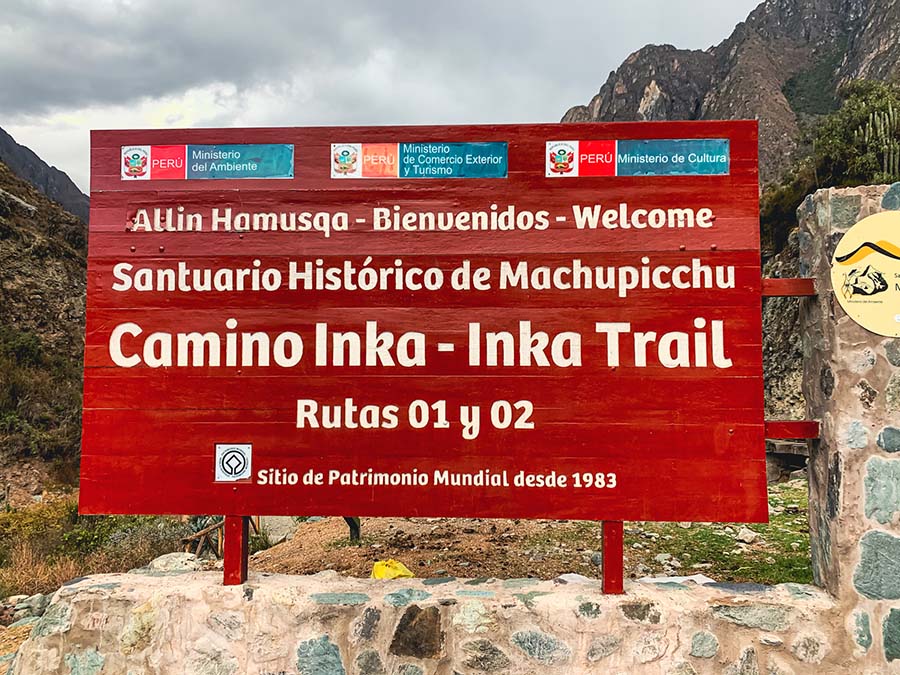
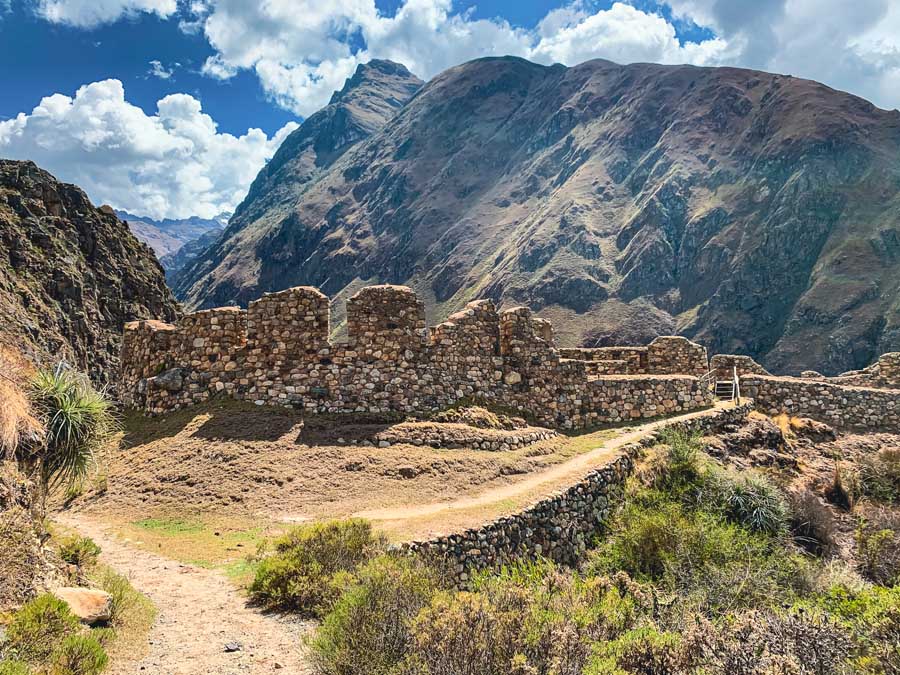

The most famous way to reach Machu Picchu is along the Classic Inca Trail. Due to its popularity, the Inca Trail is highly regulated and a guide and permit are a must to even step foot on the Inca Trail.
The Standard Inca Trail tours depart from Ollantaytambo Peru for the hamlet of Chillca. This village is home to the Inca Trail trailhead at Kilometer Marker 82 (KM 82). The Classic Inca Trail is a 4-day and 3-night trek. This beloved Cusco trekking route twists through the Andes Mountains, and small villages, and passes interesting Inca ruins. The total distance of the Classic Inca Trail is 26 miles.
After 4 days of trekking, reach the entrance of Machu Picchu via the Inti Punku Machu Picchu, or the Sun Gate of Machu Picchu.
The Classic Inca Trail shuts down for maintenance for the month of February. With a limit of 500 daily permits, the Classic Inca Trail must be booked well in advance. There is no possible way to hike the Inca Trail without a guide.
🥾 Cusco Trekking Quick Stats for Classic Inca Trail
➤ Difficulty: Moderately Challenging
➤ Point to Point Trail: KM 82 to Inti Punku Machu Picchu
➤ Distance: 26 miles (43 Km)
➤ Duration: 4 Days, 3 Nights
➤ Permit Required: Yes, only 500 per day are issued
➤ Guide Required: Yes
2 | Short Inca Trail

If 4 days of trekking doesn’t fit into your Cusco itinerary, there are more Inca Trail tour options becoming increasingly popular, like the Short Inca Trail. The Short Inca Trail is only 2 days and one night.
🥾 Cusco Trekking Quick Stats for Short Inca Trail
➤ Difficulty: Moderate
➤ Point to Point Trail: KM 104 to Inti Punku Machu Picchu
➤ Distance: 9 miles (14.5 Km)
➤ Duration: 2 Days, 1 Night
➤ Permit Required: Yes, only 500 per day are issued
➤ Guide Required: Yes
3 | Salkantay Trek

The Salkantay Trek is one of the most popular Cusco treks to reach Machu Picchu since a guide or permit is not required. The Salkantay Trail standard route takes an average of 5 days and the highlights include the stunning Humantay Lake, climbing the Salkantay Pass, and a quick jaunt through Peru’s coffee region.
The only Inca ruins along this trekking route is Llaqtapata, which leads to one of the most incredible places to sleep: the Llaqtapata Lodge. The lodge has camping spots, private rooms, hot showers, delicious food, and some truly epic views of Machu Picchu. Hikers then proceed downhill on the Salkantay trail to the Central Hidroelectrica. From here, walk next to the railroads tracks and the Vilcanota River to reach Aguas Calientes, or hop on a train.
🥾 Cusco Trekking Quick Stats for Short Inca Trail
➤ Difficulty: Moderate – Difficult
➤ Point to Point Trail: Mollepata Village to Aguas Calientes (MachuPicchu Pueblo)
➤ Distance: 46 miles (74 Km)
➤ Average Duration: 4 – 5 days
➤ Permit Required: No, but Mollepata village charges a 10 sole entrance fee ($2.75)
➤ Guide Required: No, the Salkantay trek can be hiked independently or with a guided tour
☛ Book an Organized Salkantay Trek Tour
4 | Inca Jungle Trail
Those adventure-seekers looking for the ultimate adrenaline rush to reach Machu Picchu can book the Inca Jungle Trail excursion. This alternative way to reach Machu Picchu includes a downhill bike ride, rafting, a chance to soak in some sizzling hot springs, and an optional zip line.
The trail leads to the Hidroelectrica station where hikers can continue the walk along the railroad tracks to Aguas Calientes.
The Inca Jungle Trail is a truly adventurous way to reach Machu Picchu.
🥾 Cusco Trekking Quick Stats for Jungle Inca Trail
➤ Difficulty: Moderate
➤ Point to Point Trail: Abra Malaga to Aguas Calientes (MachuPicchu Pueblo)
➤ Distance: Bike around 34 miles (55 km) & hike around 21 miles (34 Km)
➤ Average Duration: 4 days / 3 nights, but there is a condensed 3 day / 2 night
➤ Permit Required: No, but this is only an organized tour option since it involves biking, ziplining, and rafting.
Amazing Cusco Treks Near the Sacred Valley
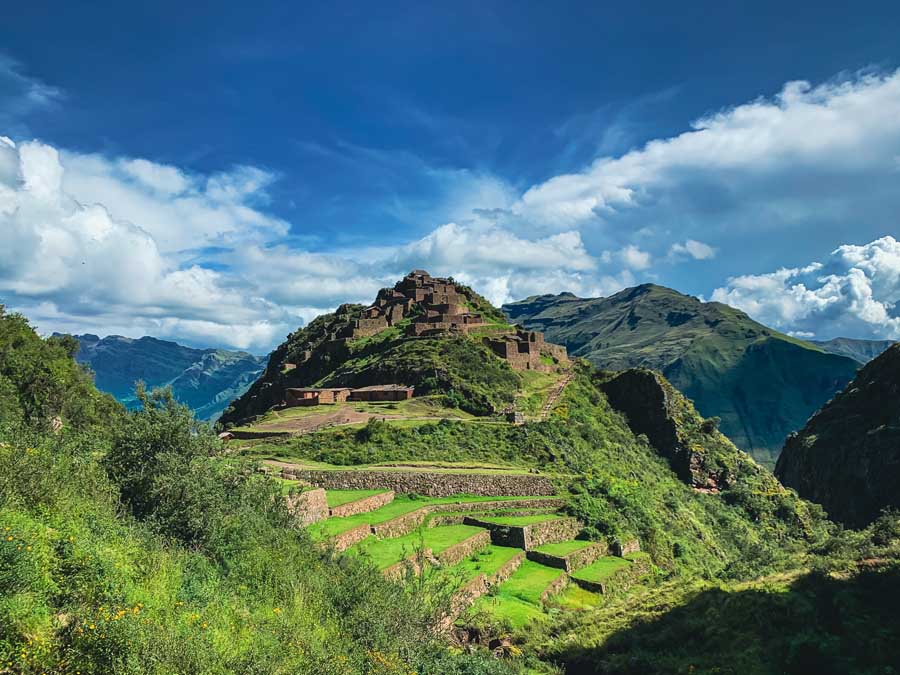
Close to Cusco lies the incredible Sacred Valley of Peru. This lush and fertile valley follows the Urubamba River, boasts some of the most charming villages in South America, is home to sprawling Inca sites, and offers endless hiking trails.
5 | Huchuy Qosqo Trek
The Huchuy Qosqo Trek has multiple trekking routes, but one of the more dramatic ways to hike to Huchuy Qosqo is a 2-day trek from Cusco. The trail begins near the Inca site of Tamboymachay which is part of the worthwhile Cusco Tourist Ticket. The trail meanders through the isolated Andes and leads to Laguna Coricocha. Set up camp at the lake and appreciate a tranquil night under the stars.
The next morning head towards the small community of Puca Marca. After Puca Marca, the trail narrows and goes through a fantastic canyon with ladders, wooden bridges, and an old Inca doorway. Appreciate stellar views of Inca terraces and the Sacred Valley. Finally, reach the main entrance gate to Huchuy Qosqo.
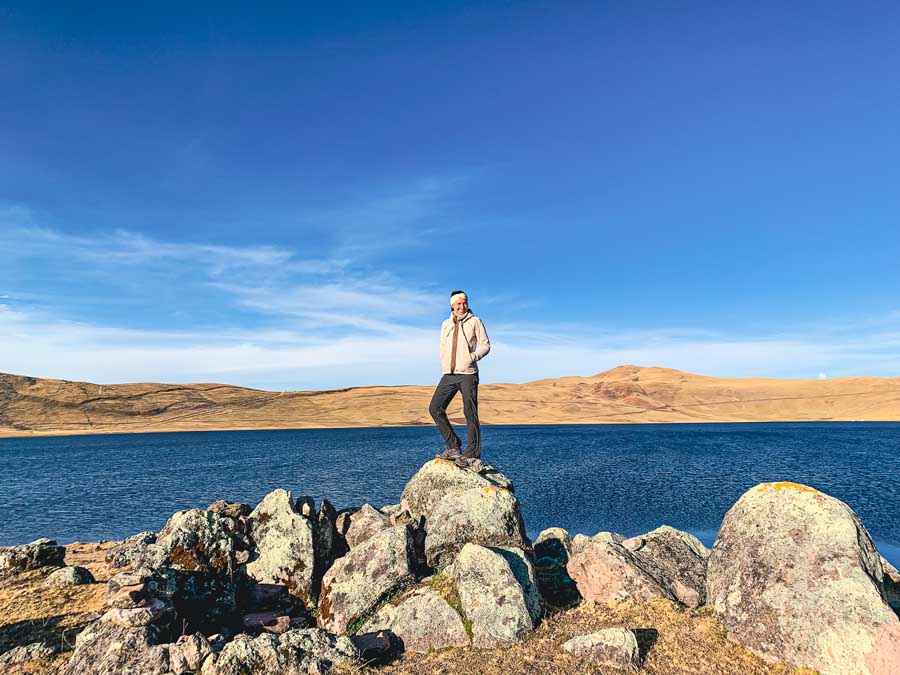

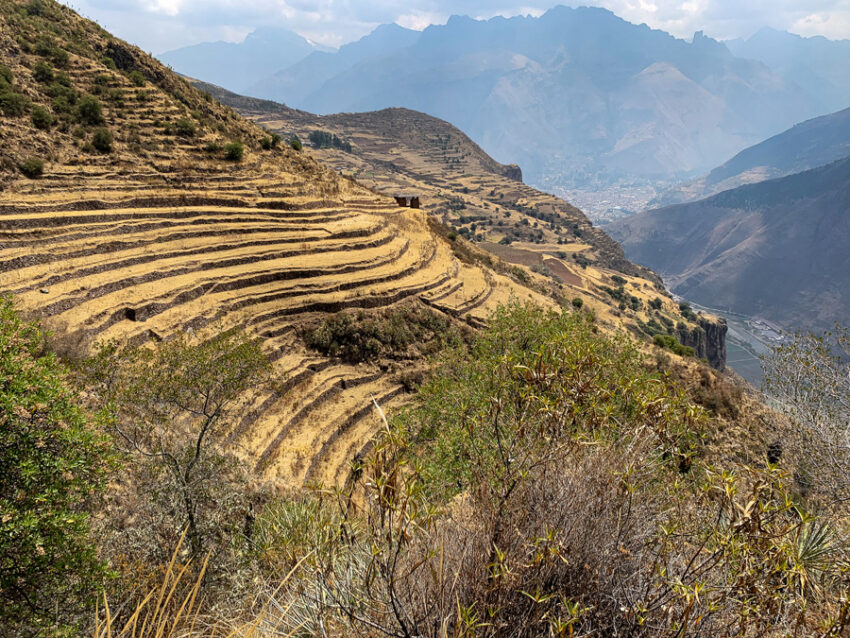

Huchuy Qosqo translates to “Little Cusco” and was the palace grounds of the powerful Inca Emperor Viracocha.
After exploring the site, take the steep trail down to the village of Lamay, where it’s easy to connect to villages like Urubamba Peru, or Calca via a collectivo (small van transportation). Both villages have frequent connections back to Cusco.
🥾 Cusco Trekking Quick Stats for Huchuy Qosqo Trek
➤ Difficulty: Moderate – Difficult
➤ Point to Point Trail: Cusco to Huchuy Qosqo Archaeological Park and finishes at Lamay in the Sacred Valley
➤ Distance: 20 miles (32.2 Km)
➤ Average Duration: 2 days / 1 night
➤ Permit Required: No, but Huchuy Qosqo has an entrance fee of 20 soles ($5.25 USD)
➤ Guide Required: No, the Huchuy Qosqo Trek can be hiked independently or with a guided tour. As this is one of the more intrepid Cusco treks, a guide comes highly recommended
➤ Huchuy Qosqo Trek Alternative: Hike to Huchuy Qosqo as a day hike from Lamay in the Sacred Valley | ☛ Huchuy Qosqo Hike Map
6 Lares Trek | Weaver’s Way
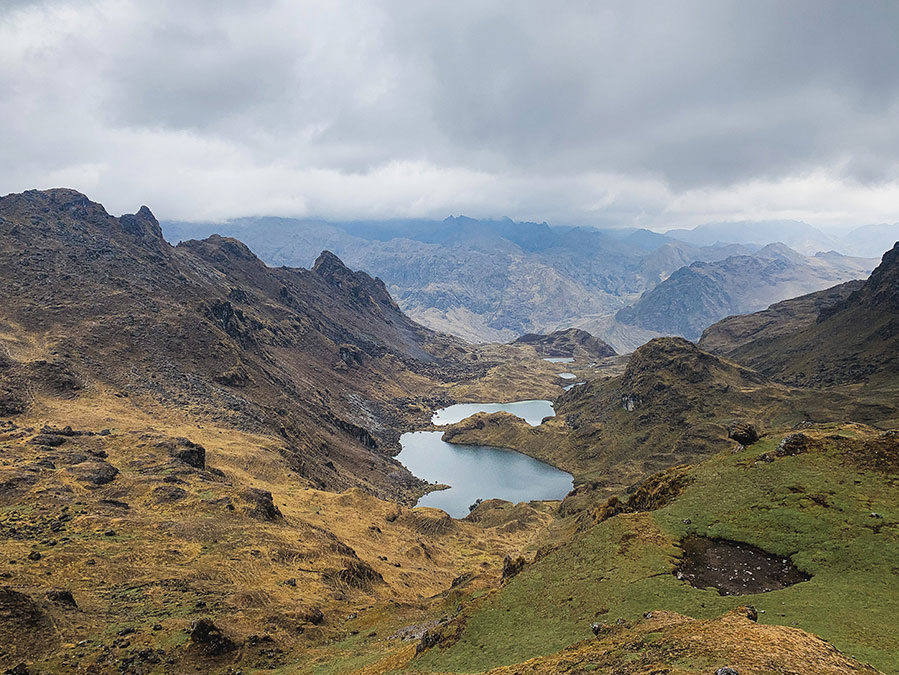
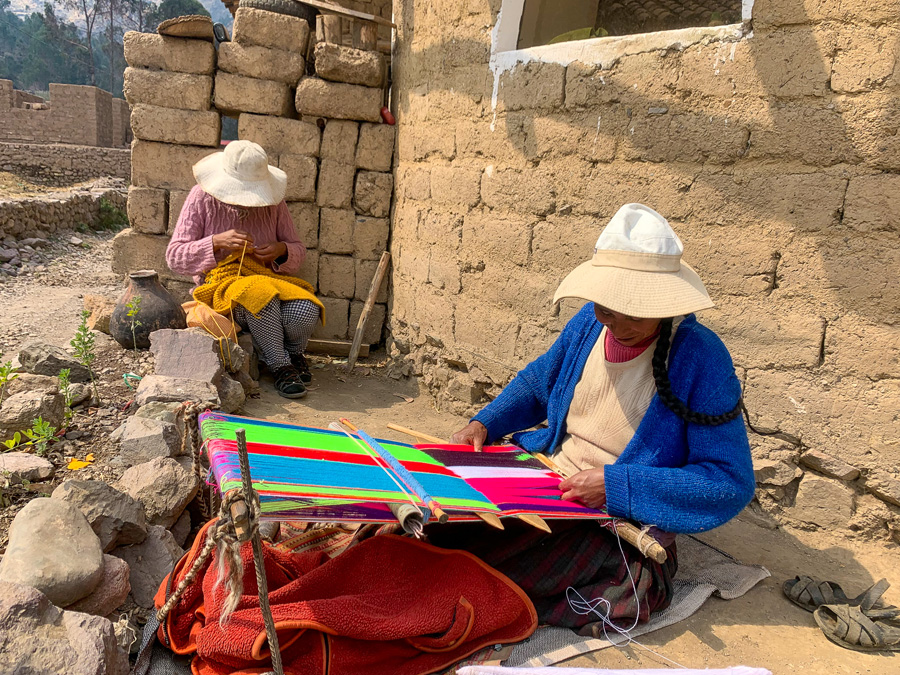
The Lares trek is a fantastic cultural experience and one of the top Cusco treks for an alternative to the popular Inca Trail. There are countless different hiking routes to choose from when trekking in the Lares Valley. The Lares trek is also known as the “Weaver’s Way,” due to the fact that it passes many traditional Andean weaving villages known for their incredible and very time-consuming handicrafts.
Many locals still don their traditional clothing and alpacas can be seen wandering the mountains with ribbons tied in their ears.
The standard Lares trekking route typically begins from Lares village. In Lares, find the very local and therapeutic Lares hot springs. The standard Lares trek is 3 days.
Most Lares trek tours include a transfer to Ollantaytambo. From here, hikers hop on a train or shuttle to the pueblo of Machu Picchu.
However, confident hikers can explore the Lares Valley on their own. Be mindful, there are no trail markers and the paths are very isolated and remote.
🥾 Short on time? Try this one-day hike through the Lares Valley that ends at the Lares hot springs
🥾 Cusco Trekking Quick Stats for Huchuy Qosqo Trek
➤ Difficulty: Moderate – Difficult
➤ Point to Point Trail: There are many Lares trek trail options from the Sacred Valley. Most Lares trek tours begin in Lares and end with a transfer to Machu Picchu
➤ Average Distance: 21 miles (34 Km)
➤ Average Duration: 3 days / 2 nights
➤ Permit Required: No
➤ Guide Required: No, the Lares Trek can be hiked independently or with a guided tour. As this is one of the more intrepid Cusco treks, a guide comes highly recommended
☛ Here’s a top-rated Lares Trek by Alpaca Expeditions
Best Sacred Valley Day Hikes

Although this guide focuses on multi-day Cusco treks, it’s impossible to not mention all of the worthwhile hiking trails in the Sacred Valley. These following hikes all make for awesome day hikes in the Sacred Valley Peru.
In Pisac, don’t miss the three lakes of Kinsa Cocha. Down the valley, visit the unique Maras Salt Mines with the option to hike to the peculiar Moray Inca Ruins.
Some of the best hikes in the Sacred Valley are the ones that are little known, like the stunning Saywa Archaeological Park in Urubamba, or the waterfall of Perolniyoc, which boasts Inca ruins at the top.
Ollantaytambo Peru is the start of some top-rated Sacred Valley day hikes. My favorite hike in the valley is the epic Sun Gate of Inti Punku. Don’t miss the Pumamarca ruins that originated from the Wari civilization and are said to resemble the sacred Puma.
➯ Sacred Valley Travel Guide | Over 60 Things to Do in the Sacred Valley Peru
Awesome Cusco Treks to Stunning Inca Ruins
Some of the most incredible Cusco treks lead to little-visited Inca sites that are massive and totally underrated.
➯ Detailed Peru Travel Guide | 35+ Incredible Inca Sites You Need to Visit in Peru
7 | Choquequirao Trek
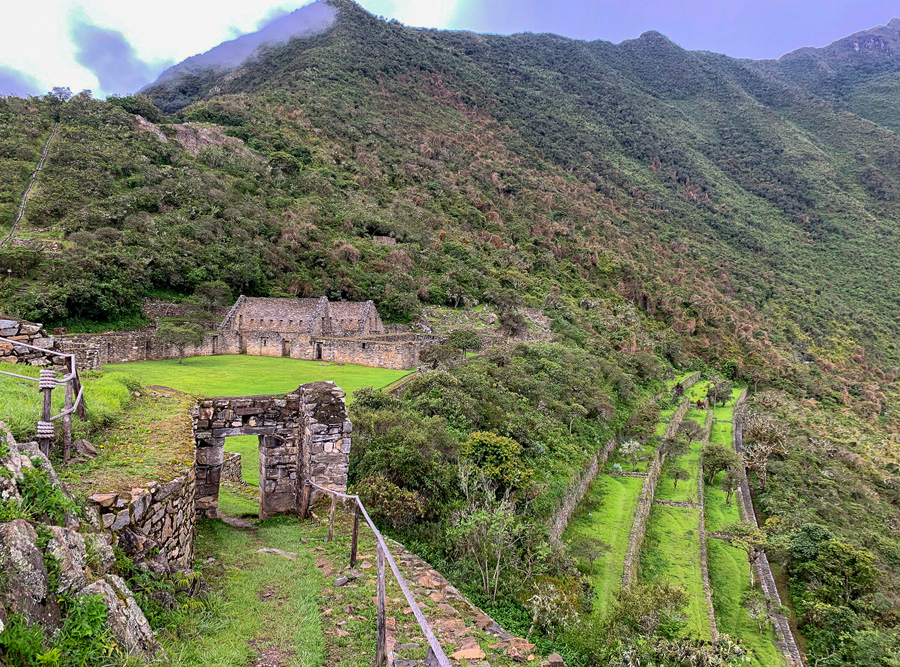
The Choquequirao Archaeological Park is one of the best Incas sites in Peru, yet few people actually visit this special place. This is due to the fact that the Choquequirao ruins are hard to reach. Peru’s other Lost City, Choquequirao, lies hidden in the mountains and is only accessible via a two-day trek.
Make sure to purchase the entrance ticket to Choquequirao Archaeological Park from the village of Capuliyoc.
The Choquequirao trek drastically changes in elevation through the mountains, crosses over rivers, and passes by tiny communities. The Choquequirao trek is worth the effort and even during peak season, the site averages less than 20 visitors a day.
The Choquequirao Archaeological Park is HUGE and there are multiple sections of the site to explore. In theory, you could spend two days exploring all the treasures of Choquequirao and not even skim the surface.
Be mindful that during the rainy season, the Choquequirao trek can close due to dangerous landslides. Always check the Culture of Cusco website for the most up-to-date Choquequirao trek information and closures.
🥾 Cusco Trekking Quick Stats for Choquequirao Trek
➤ Difficulty: Moderately Difficult
➤ Out & Back Trail: Starts & ends in Cachora Village with the official trailhead at Capuliyoc
➤ Distance: 36 miles round-trip (58 Km)
➤ Duration: 4 – 5 days
➤ Permit Required: No, but the Choquequirao entrance ticket is 60 Soles ($15.75 USD) and includes free camping at the site
➤ Guide Required: No, the Choquequirao trek can be hiked independently or with an Organized Choquequirao Trek Guided Tour
🥾 4 day Choquequirao trek guide for independent hikers | ☛ Choquequirao Trek Map
8 | Choquequirao Trek to Machu Picchu


Intrepid and experienced hikers can hike the beautiful, but extremely difficult trail from Choquequirao to Machu Picchu. This alternative trek to Machu Picchu sees few tourists, is very challenging, and spans through sections of the mountains in Peru that few people will ever get to see.
The Choquequirao to Machu Picchu trek can only be done with a tent, cooking gear, and proper equipment. This trek requires at least one night of wild camping.
Be mindful that during the Cusco rainy season, from November to April, it may not be possible to cross the Blanco River found after the Choquequirao ruins of Pinchaunuyoc. Always check in with the gatekeepers of Choquequirao to see if the river is passable.
The wild trek to Machu Picchu can be completed without a guide but is recommended for only advanced hikers. This remote trek includes an exploration of the incredible Choquequirao ruins, continues over towering mountain passes, weaves through tiny communities, and eventually meets up with the Salkantay trail.
The 9 day Choquequirao trek to Machu Picchu is difficult, yet one of the most rewarding Cusco treks.
🥾 Cusco Trekking Quick Stats for Choquequirao to Machu Picchu Trek
➤ Difficulty: Extremely Difficult
➤ Point to Point Trail: Starts in Cachora Village and ends in Aguas Calientes
➤ Distance: 83.5 miles (135 Km)
➤ Duration: 9 – 10 days
➤ Permit Required: No, but the Choquequirao entrance ticket is 60 Soles ($15.75 USD) and includes free camping at the site
➤ Guide Required: No, the Choquequirao to Machu Picchu trek can be hiked independently but is one of the most remote Cusco treks, so it is better to go with a local guide or book an Organized Choquequirao to Machu Picchu Trek Guided Tour (which are far and few between)
🥾 Choquequirao to Machu Picchu trek guide | ☛ Choquequirao to Machu Picchu Trek Map
9 | Waqrapukara Trek

The horned fortress of Waqrapukara may just be one of the best Inca ruins in all of Peru. Believe it or not, the peculiar Waqrapukara ruins reach almost 13,000 feet, making it almost double the altitude of Machu Picchu. This sacred site includes Inca terraces, small caves, peculiar ruins, and breathtaking views of the Apurímac Valley.
It’s possible to visit Waqrapukara as a long day trip from Cusco. Alternatively, curious hikers can complete a 2 day Waqrapukara trek and sleep at the on-site campsite. There are multiple routes to hike to Waqrapukara, but the trailhead near Sangarará is best for those hikers utilizing Cusco’s public transportation system.
The 10 Soles entrance fee to the Waqrapukara ruins includes the use of rustic facilities. The chance to camp at one of Peru’s most epic Inca sites is anything but basic.
🥾 Cusco Trekking Quick Stats for Waqrapukara Trek
➤ Difficulty: Moderate – Challenging depending on route
➤ Point to Point Trail: Starts near Sangarará & Finishes in Huayqui (but there are multiple Waqrapukara trekking routes)
➤ Distance: 14 miles (22.5 Km)
➤ Duration: 2 days / 1 night
➤ Permit Required: No, but the Waqrapukara entrance ticket is 10 Soles ($2.75 USD) and includes free camping at the site
➤ Guide Required: No, the Waqrapukara trek can be hiked independently or visited with a local tour company
Cusco Treks That Take Your Breath Away
One of the most memorable Cusco treks has to be the Ausangate trek, which continues to top the best treks in the world list year after year.
10 | Ausangate Trek
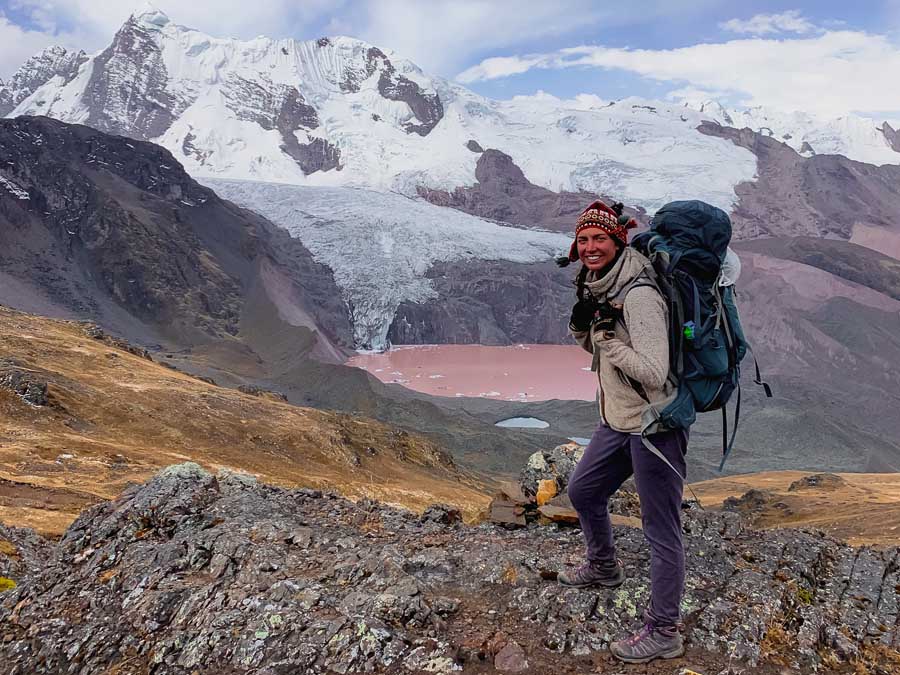


The Ausangate Trek is one of the most incredible treks near Cusco. This high-altitude trek circles around Apu Ausangate, one of the most sacred mountains in the Cusco region, and the altitude of the trail never dips below 14,000 feet. The most common Ausangate trek route is a 6 day circuit, which includes a day trip to Rainbow Mountain.
Highlights of the Ausangate trek include the chance to walk in the remote Andes mountains among hundreds of alpacas and llamas. If you’re lucky, spot wild vicuñas roaming across the alpine landscape. There are a plethora of viscachas, a high alpine rodent, bouncing jovially along the path. Appreciate the diverse glacial peaked mountains and alpine lakes.
Natural highlights of the Ausangate trek include basic hot springs with incredible mountain views, otherworldly landscapes, colorful alpine lakes, and a chance to visit Rainbow Mountain without the crowds.
🥾 Cusco Trekking Quick Stats for Ausangate Trek
➤ Difficulty: Difficult and Challenging due to the extreme elevation and remoteness
➤ Point to Point Trail: Tinki (or Upis with taxi) & finishes in Pacchanta
➤ Distance: 45 miles with Rainbow Mountain add-on (72.5 km)
➤ Duration: 6 days / 5 nights, but can be less depending on the route
➤ Permit Required: No, but the Ausangate trek entrance ticket is 10 Soles ($2.75 USD) locals may ask for varied camping fees per person along the route
➤ Guide Required: No, the Ausangate trek can be hiked independently, with local guides, or on an Organized Ausangate Trek Tour
➤ Ausangate Trek Alternative: If on a time budget, it’s possible to visit the Seven Lakes of Ausangate as a day trip from Cusco
🥾 Ausangate Trek Without a Guide | ☛ Ausangate Trek Map
Cusco Trekking Safety Tips
The most important thing when trekking in Cusco is to be prepared and safe. Here are top safety tips to follow when planning for any of these Cusco treks.
Altitude Sickness & Acclimation in Cusco

It’s so important to not underestimate the power of the Andes Mountains and the altitude in Cusco. The elevation of Cusco is a towering 11,152 feet, so if unfamiliar with these high altitudes, it’s possible to suffer from altitude sickness. When trekking in Cusco, it’s super important to be properly acclimated.
If planning on doing these Cusco treks, spend at least a few days in Cusco acclimating. Don’t arrive to Cusco and plan to hike immediately.
Tips for Altitude Sickness in Cusco
In Peru, altitude sickness is known as “Soroche,” which may come in handy if heading to a local pharmacy or “Botica.” Altitude sickness symptoms may be mild to rather extreme. Altitude sickness symptoms can include dizziness, loss of appetite, sleepiness, shortness of breath, nausea, and in extreme cases, death.
Altitude sickness can be treated with the local remedy of coca leaves. Coca leaves can be found at all of the Cusco markets. To use, either, chew coca leaves, steep them in tea, or pick up altitude sickness pills over the counter from the pharmacy.
☛ Peru Altitude Sickness Tip | Many hostels and hotels in Cusco provide coca tea free of charge
Things to Do in Cusco While Acclimating
Those who have never experienced living or visiting high-altitude places like Cusco should prepare to acclimate for at least a few days. Here are some ideas to help discover all the best things to do in Cusco while acclimating.
More Cusco Travel Blogs


When is the Best Time to Trek in Cusco Peru?
Cusco has two very distinct seasons, rainy and dry. Usually, the best months for trekking in Cusco is during the dry season. Cusco’s dry season typically runs between the months of May to October.
During the dry season in Cusco, there is less rain, but the nights are much colder. This means it’s possible to have snow covering some of the higher mountain passes. In the shoulder months, there have been reports of snow-covered passes up to hiker’s knees.
With the dry season, water can be more scarce, and oftentimes the locals do controlled burns, which can mean that air quality can be bad and sadly the fires can spread beyond containment.

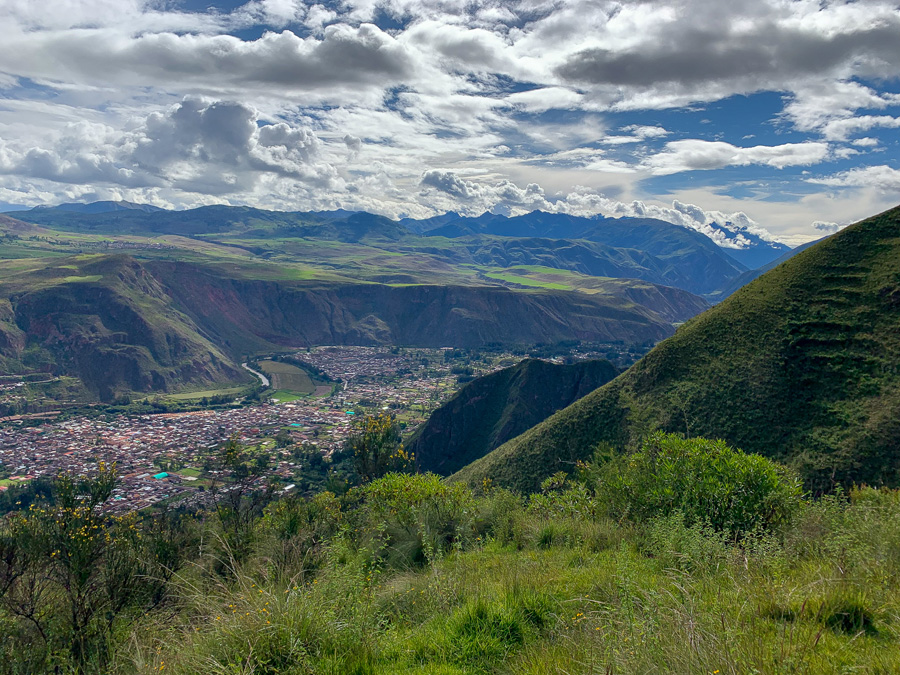
Throughout the Cusco rainy season, hiking trails can be extremely muddy and not as enjoyable. Stone pathways are slippery and dangerous. Also, the saturated Earth is more susceptible to dangerous landslides and rockslides. The famous Inca Trail closes down in February.
No matter the season, at these high altitudes, the weather can be wild, volatile, and can change in an instant. In one hour, it’s possible to cycle through every single season in the mountains. Plan and pack accordingly.
Cusco Trekking Tours vs. Independently Trekking in Cusco
Except for the Classic Inca Trail to Machu Picchu, all of the Cusco treks can be hiked independently, without a tour. The Andes Mountains are dynamic, so always respect the power of the mountains and keep in mind your physical abilities and limitations.
The unpredictability of the weather and landscape is always a risk. Additionally, add on the extreme altitude Cusco. These risks make the Andes Mountains not a great or ideal place for “first-time hikers” to go out and explore on their own. Even experienced hikers should never hike alone.
Booking a Cusco trekking tour allows hikers more peace of mind, support, and oftentimes assistance with providing essential gear and assisting with carrying gear. Please support companies that treat Porters with respect and kindness and handlers that treat their animals well.
Hiking independently is incredibly rewarding, but always weigh the risk possibilities.
➯ Hey… don’t forget your Travel Insurance! I love SafetyWing
Carry the Proper Trekking Gear

When heading out on any multi-day trek near Cusco, it’s important to carry the proper hiking gear. These Cusco treks can be for days, so the weight of the packing gear will be more substantial. More trekking gear implies a bag will be heavier.
For trekking in the Andes, it’s super important to dress in layers. Never leave for any trek without a well-stocked first-aid kit, a few emergency blankets, a headlamp, a whistle, off-line maps, power banks for electronics, and a reliable water filter.
Trekking poles come in handy for not only hiking but to help ward off aggressive dogs.
Some of these treks are so remote that you will need a backpacking tent and a heavier sleeping bag (minimum 15° temperature rating) for the cold nights in the mountains. If missing gear, it may make more sense to utilize a local tour group that can provide the correct and proper gear.
🥾 Peru Packing List | My Complete Peru Packing Guide for Multi-Day Cusco Treks
Never Hike Alone

The Andes Mountains can be extremely remote, isolated, and dynamic. Even experienced hikers should avoid venturing out into the mountains alone, especially on multi-day Cusco treks. Besides things like drastic changes in weather and unpredictable landscapes, simple injuries can be life-threatening.
Sadly, hikers go missing each year in Peru. Make sure to be properly prepared, hike with a group or tour group, let friends and family know your planned trekking route, stay on the trails, and carry the proper gear.
☛ If seeking a hiking buddy, put out a request in the useful Hike Club Cusco Facebook Group, which also has an engaging community with up-to-date trail information
Leave No Trace
Always respect the mountains by following a “leave no trace” philosophy. This means packing out everything you bring, staying on the designated trails, and carrying out or burying all natural human waste. I make sure to bring a biodegradable natural soap like Dr. Bronner’s.
The mountains in Peru offer so much healing and beauty, we should respect Mother Nature by leaving her better than we found her. Oftentimes, these Cusco treks pass through local communities, so we must also respect the Indigenous landowners who allow us passage.
Conclusion | 10 Best Multi-Day Cusco Treks

In short, these are some of the best multi-day treks near Cusco. These top Cusco treks include the famous Inca Trail, overlooked trails to magnificent Inca ruins, and treks that will literally take your breath away.
One of the most important factors when it comes to hiking in Peru is to be properly acclimated. Additionally, never hike alone and carry the proper gear. When it comes to trekking in Cusco, safety is the biggest issue.
Trekking near Cusco is a highlight on any Peru itinerary, so make sure to spend some quality time with the mountains. All Cusco treks include beautiful landscapes, alpine lakes, incredible wildlife, communities following ancient traditions, glacier-peaked mountains, and magic.
Have you done any of these top-rated Cusco treks? Are there any Cusco treks that you loved and I’m missing? I hope this Cusco trekking guide was helpful! Let me know in the comments below.

Disclaimer: There’s a chance this post contains affiliate links, and I receive a small (but grateful) portion of the sale. There’s no extra cost to you, and I only promote things that I use and love.


Hi, I was wondering if you have a more specific description of the Huchuy Qosqo Trek? I’d love to try it, but I’m unsure how to actually go about it. Thank you for the help and love the list!
Sorry for such a late response! There are three main routes to Huchuy Qosqo, and I’ve done two of them. One is a day hike from Lamay and another from Cusco as a two-day trek with camping. The two-day trek is intrepid, and we camped near Laguna Coricocha. You will need to feel confident navigating an offline map, as there is little signage and it’s very remote.
The one that starts from Chinchero is supposed to be lovely, and the only route I have not trekked. I wrote more about it here.