
Is the Sacred Valley Worth Visiting? 10 Reasons NOT to Skip it When Visiting Peru
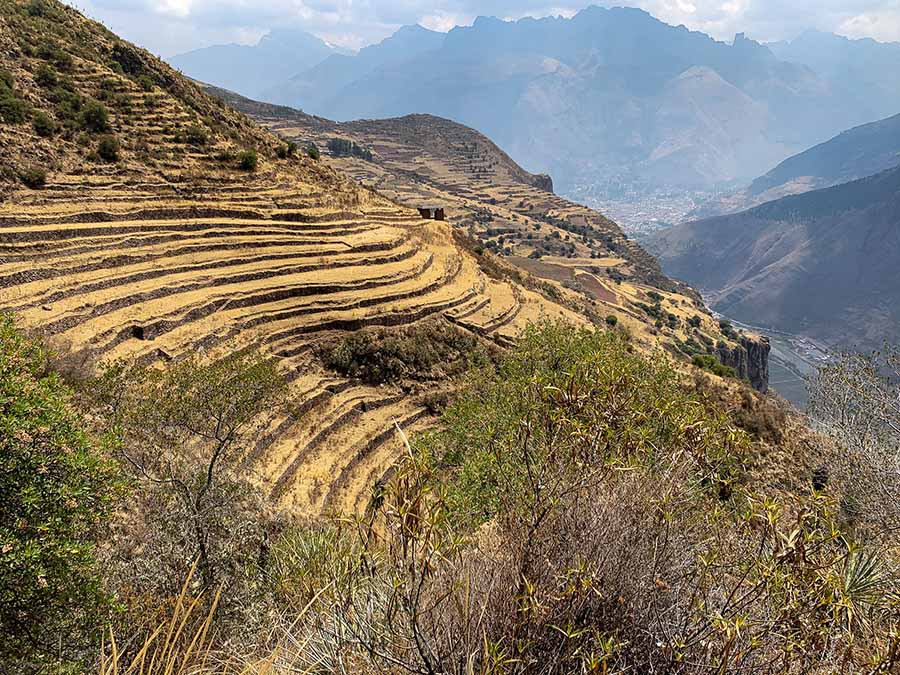
From Cusco to Machu Picchu lies a valley that follows the Urubamba River. In this valley, find Inca ruins, towering mountains, traditional villages, natural beauty, and more. This special place is the Sacred Valley in Peru
The Sacred Valley is worth visiting. In fact, this area often shocks travelers with how incredible it really is. Most travelers will tell you that the biggest regret of their trip to Peru was not spending more time in the Sacred Valley.
Here are 10 reasons to visit the Sacred Valley in Peru and how to make the most of your time exploring one of the best destinations in Peru.
Table of Contents
- Is the Sacred Valley Worth Visiting?
- Where is the Sacred Valley in Peru?
- How to Get to the Sacred Valley
- 10 Reasons the Sacred Valley is Worth Visiting
- Sacred Valley Travel Tips & FAQ
- Where to Stay in the Sacred Valley
- Are There Any Reasons the Sacred Valley isn’t Worth Visiting?
- Conclusion | Is Sacred Valley Worth Visiting?
Is the Sacred Valley Worth Visiting?

The short answer is yes, absolutely! The Sacred Valley is worth visiting and ends up being a highlight for those who visit.
While most visitors will visit Peru’s most famous landmark, Machu Picchu, few will spend much time in the Sacred Valley.
This detailed travel guide will hopefully convince you to spend more than a day discovering all the treasures in the Sacred Valley of Peru.
Where is the Sacred Valley in Peru?
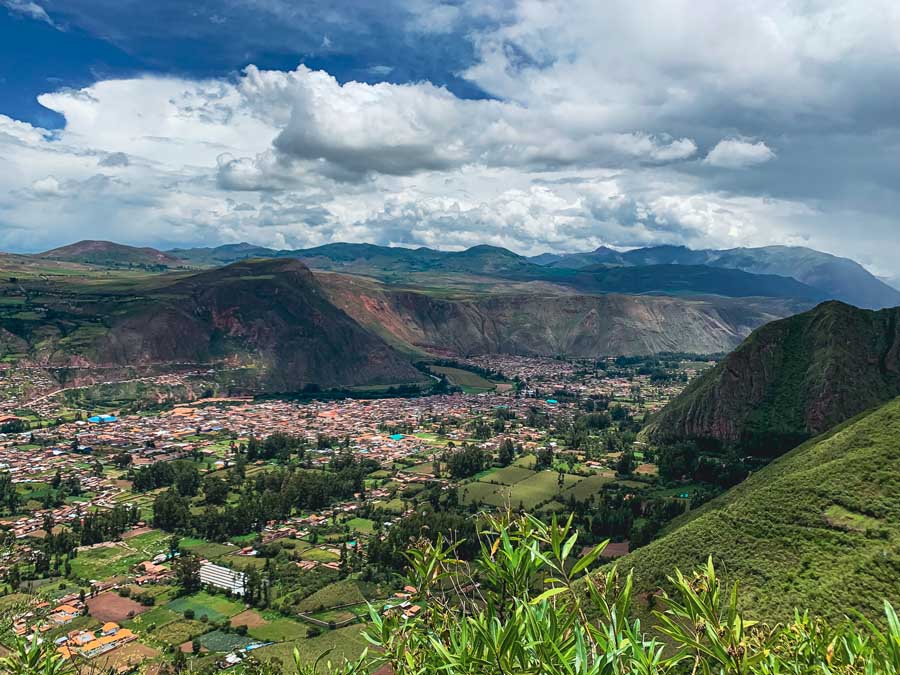
The Sacred Valley lies just north of Cusco and is a fertile valley that follows along the Urubamba River. The Sacred Valley is also referred to as the Urubamba Valley or the Sacred Valley of the Incas.
The Sacred Valley spans from the village of Pisac and follows the River of Urubamba all the way to the Citadel of Machu Picchu. This stretch of the Urubamba River is more than 60 miles long and is blessed with mountains, Inca sites, charming villages, and stunning natural landscapes.
How to Get to the Sacred Valley in Peru
There are multiple ways to reach the Sacred Valley in Peru. Almost all travelers will reach the Sacred Valley from Cusco. The Imperial City of Cusco was the capital of the Inca Empire. Today, Cusco is recognized as a UNESCO World Heritage Site and is the gateway to access the Lost City of Machu Picchu.

Cusco has a well-connected airport with direct flights to and from Lima. Cusco is a top travel destination on the typical South American backpack circuit, so find plenty of private and public bus terminals in Cusco.
Be mindful that Cusco is high in the mountains, so bus travel is relatively slow. For example, Arequipa, Peru’s second city and gateway to the incredible Colca Canyon, is at least a 10-hour bus ride.
How to Get to the Sacred Valley from Cusco
The Sacred Valley is an easy day trip from Cusco. There are a wide variety of ways to reach the Sacred Valley. There are buses, collectivos (small vans), taxis, and organized Sacred Valley tours. The train is a more comfortable option for those traveling all the way from Cusco to Machu Picchu.
Cusco to Sacred Valley | Via Public Transportation
In Cusco, there are collectivos for the Sacred Valley villages of Pisac, Calca, Urubamba, and Ollantaytambo.
Pisac is the closest village to Cusco, so it is the cheapest and fastest option. Pisac collectivos depart from Puputi Street with the ride taking about 45 minutes and the average fare costing 4 – 6 Soles.
The farthest village from Cusco is Ollantaytambo. Collectivos depart near Av. Grau 510 in Cusco to Ollantaytambo. Be mindful that this option may require a transfer in Urubamba. Ollantaytambo is just under 2 hours by collective and costs around 10 soles.
Additionally, there is a bus that connects Urubamba with Cusco.
🚌 Cusco to Urubamba Bus | Average Fare: 6 PEN ($1.50 USD) | Duration: 1 hour 15 minutes | Depart: frequently from Jirón 21 de Mayo 944 | Hours: 6:00 – 19:00
Cusco to Sacred Valley | Via Taxi or Shuttle
Taxis and private shuttles are easy to find between Cusco and the Sacred Valley. If using a taxi service make sure to use a verified service and negotiate the price before entering the taxi.
The company Vamos Machu Picchu offers shared and private shuttles that start at around $30 per person.
Sacred Valley Tour Options

Since the Sacred Valley is worth visiting, there are plenty of organized tours. Most of the Sacred Valley tours are full-day tours with a pick-up and drop-off in Cusco.
An organized tour of the Sacred Valley is a great option if you only have limited time. These one-day tour options only focus on the Sacred Valley between Pisac and Ollantaytambo and do not include Machu Picchu.
Be mindful that the Sacred Valley is jam-packed with activities and places to see. There is absolutely no way to see the entire Sacred Valley in one day. Consider spending at least two to three full days in the Sacred Valley, especially if looking to hike in the Sacred Valley.
The Sacred Valley is best to explore slowly.
Top-rated one-day Sacred Valley Tours from Cusco
One full day is a great taste of the Sacred Valley, but time is limited and one-day tours may feel rushed.
➜ Sacred Valley Complete Full Day Tour
➜ Full-day excursion to Sacred Valley, Pisac, and Ollantaytambo from Cusco
2 Day Sacred Valley Tours Options
Most 2-day tours of the Sacred Valley include Machu Picchu
Alpaca Expeditions is one of the most highly-rated tour companies in Peru. This is their 2 day Sacred Valley and Machu Picchu tour.
➜ 2 Days Tour Sacred Valley and Machu Picchu From Cusco
➜ 2-Day Tour: Sacred Valley and Machu Picchu by Train
10 Reasons Why the Sacred Valley is Worth Visiting
Here are 10 reasons not to skip the Sacred Valley in Peru.
1 | The Inca Ruins in the Sacred Valley Are Incredible
Yeah, Machhu Picchu is cool, but the Sacred Valley has spectacular Inca ruins that rival even the grandest Inca sites. The best part is the Sacred Valley Inca sites see fewer tourists and are much more budget-friendly than Machu Picchu.
The four main Inca ruins in the Sacred Valley are Pisac, Chinchero, Moray, and Ollantaytambo. These four Archaeological Parks in the Sacred Valley are included on the popular and worthwhile Cusco Tourist Ticket.
The Sacred Valley ruins can be visited as part of the complete ticket, or boleto, which includes 16 places of interest between Cusco and the Sacred Valley. Alternatively, the ruins in the Sacred Valley can be visited on the partial Circuit III ticket.
| Cusco Tourist Ticket for Sacred Valley | Cost | Valid |
| Cusco Tourist Ticket Complete | S/ 130 ($35) | 10 Days |
| Cusco Tourist Ticket (Circuit 3) | S/ 70 ($18.50) | 2 Days |
The Archaeological Parks of Pisac, Chinchero, Moray, and Ollantaytambo can be visited without a tour. However, there are plenty of organized tours and official tour guides that can be hired on-site. Always verify credentials before committing to a tour.
Sacred Valley Inca Sites Overview
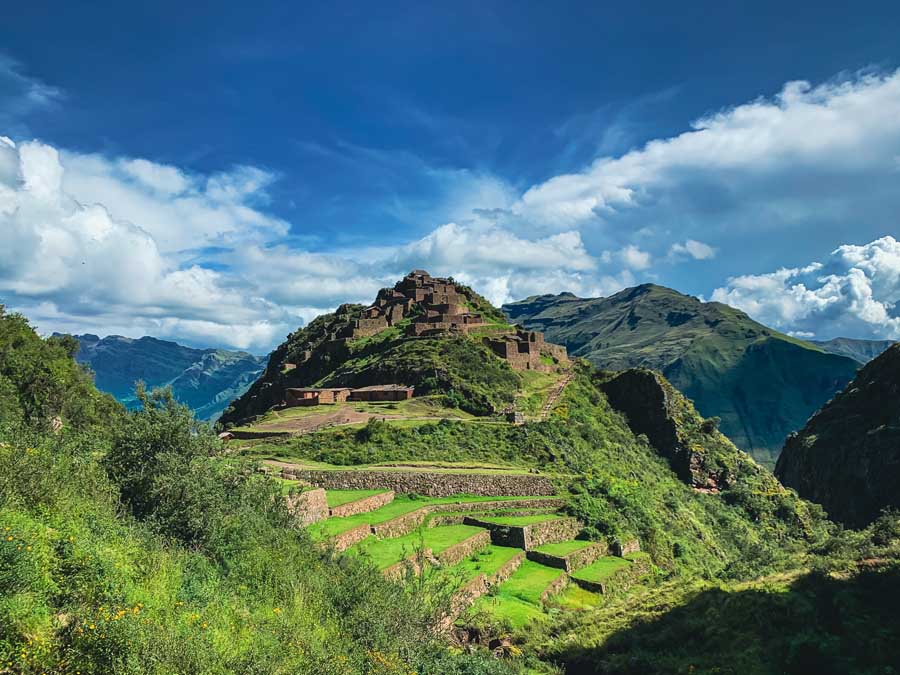
➤ The Pisac Archaeological Park is an impressive hilltop site that showcases Inca tombs, terraces, ceremonial baths, and an area dedicated to the Sun. The Pisac ruins also include the ancient city of Pisaq.
➤ Chinchero Archaeological Park was likely the palace of the most famous Inca ruler, Túpac Yupanqui. On-site, find well-preserved Inca terraces, an artisan market, a colonial church, and a museum. If visiting independently, don’t miss the scenic hike from Chinchero to Urquillos that passes by a waterfall and follows an Old Inca Road.
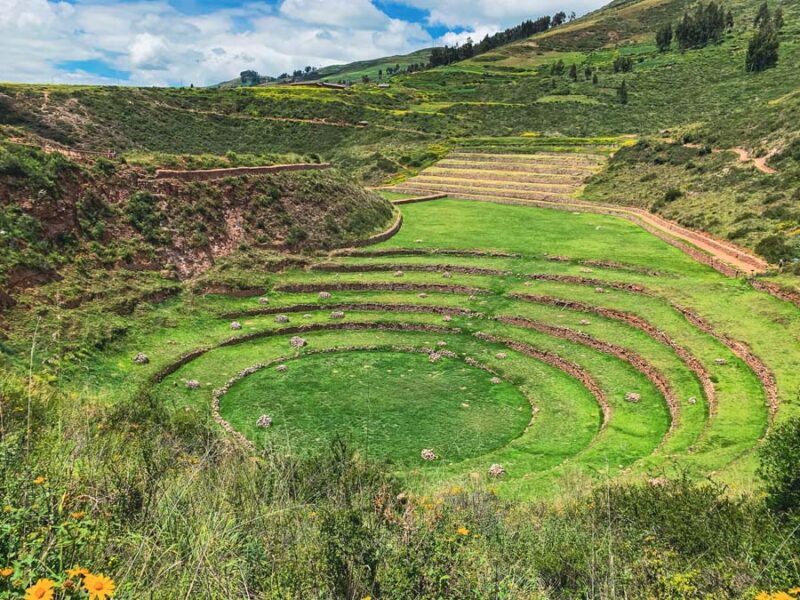
➤ The Moray Archaeological Park contains some of the most unique Inca ruins. Here, find three circular terraces, which were thought to be experimental agricultural terraces (although this is just one theory). If visiting independently, it’s possible to hike from the Maras Salt Mines to the Moray ruins.
➤ The Ollantaytambo Archaeological Park is built along the hillside and has points of interest like the Temple of the Sun, the Water Temple, and Inkawatana. One of the more peculiar structures is the megalithic stones of the Sun Temple.
These four Inca sites alone definitely make the Sacred Valley worth visiting!
2 | The Sacred Valley is the Gateway to Machu Picchu
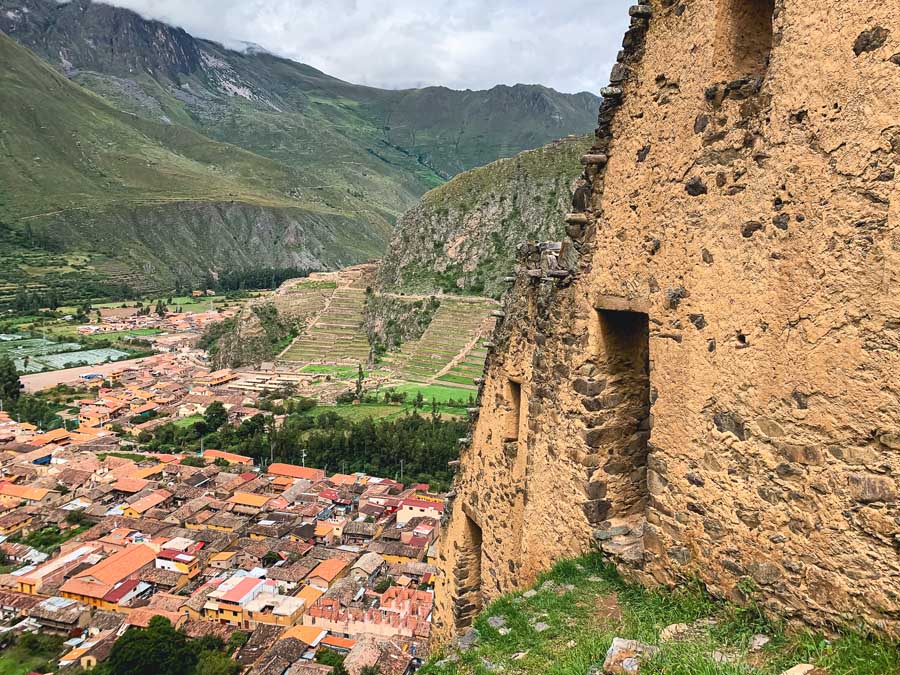
Ollantaytambo village is the grand gateway to Aguas Calientes and the Lost City of Machu Picchu. If planning to reach Machu Picchu via train or collectivo, you will pass right through the village of Ollantaytambo.
The main train station in Cusco departs for the Sacred Valley and stops in the village of Ollantaytambo. The train follows the Urubamba River to Machu Picchu.
Many people choose to hop on the train in Ollantaytambo to reach Machu Picchu. This is the main train station to Machu Picchu. One of Cusco’s most famous treks starts just down the road from Ollantaytambo, the famous Classic Inca Trail to Machu Picchu.
There are tons of things to do in Ollantaytambo with plenty of accommodation and restaurant options. Ollantaytambo is definitely worth more than a quick stop-over.
Some travelers prefer to spend the night in Ollantaytambo before visiting Machu Picchu. El Albergue Ollantaytambo is a popular place to stay in Ollantaytambo just steps away from the train station.
3 | The Sacred Valley Has Pre-Inca Ruins

Speaking of all the incredible Inca ruins, the Sacred Valley is also home to Pre-Inca ruins. The most notable Pre-Inca ruins in the Urubamba Valley can be seen at the Pumamarca Archaeological Site.
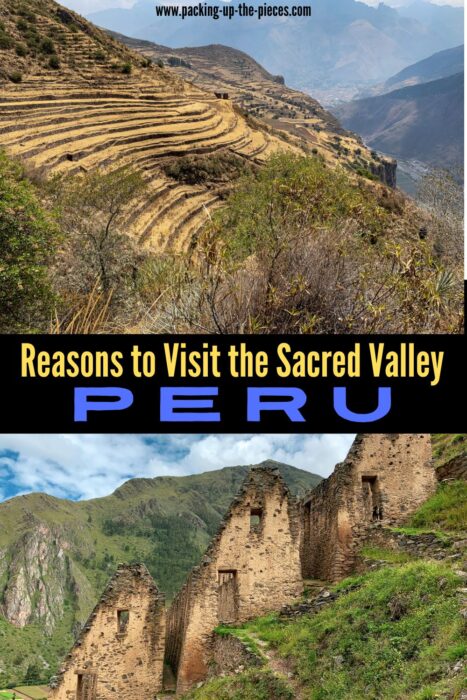
The Pumamarca ruins were originally built by the Wari civilization. Later, they were used by the Incas. More than likely, the site of Pumamarca was originally used for ceremonies, which explains why the standing structures are taller than most other ruins in the Sacred Valley. It was believed that Pumamarca was eventually used as a fortress.
Pumamarca is said to resemble a puma. The hike to Pumamarca is a worthwhile half-day hike from Ollantaytambo and passes by Inca terraces with views of a river valley.
Pumamarca reminds me of sections of Huchuy Qosqo, or “Little Cusco,” another sacred site found in the hillsides of the Sacred Valley
Pre-Inca ruins can be seen all across the Cusco region, from Pikillacta in the Cusco South Valley to one of the most epic Inca sites of all, Waqrapukara.
4 | The Sacred Valley is a Hiker’s Paradise
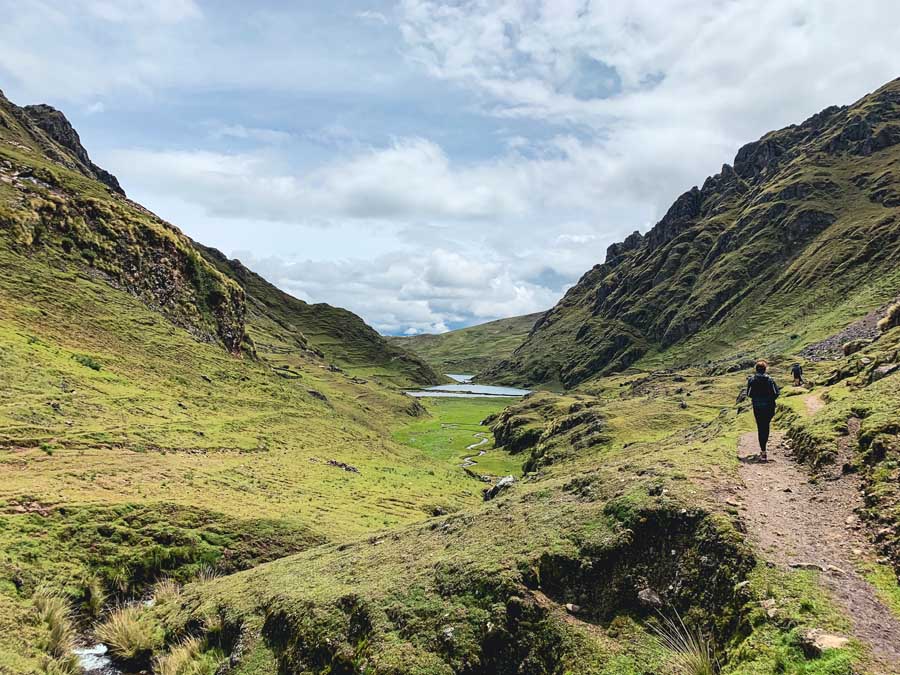
The Sacred Valley is home to endless hiking trails. If planning on hiking in the Sacred Valley, it’s best to spend a day or two acclimating to the altitude. Here are some of the most unforgettable Sacred Valley hikes.
➤ Kinsa Cocha Hike is a nice half-day hike from Pisac that showcases three beautiful alpine lakes.
➤ Huchuy Qosqo is a challenging day hike from Lamay. Huchuy Qosqo translates to “Little Cusco” and has Inca Terraces, a grand main gate, and a ceremonial fountain. The views of the Sacred Valley are some of the best in the entire Sacred Valley. The Huchuy Qosqo trek can also be a 2-day trek from Cusco or offered as a 3-day tour with Machu Picchu.
➤ The Sacred Valley is also home to the Maras Salt Mines. The Salt Mines in Maras can be reached by a short and scenic hike to the back entrance from Media Luna. Adventurous hikers may wish to continue from the Salt Mines to the Moray Inca Ruins
➤ Saywa Mountain is truly a special place. On top of Saywa find the remains of two pillars that are believed to be connected to the sun. The hike offers 360° views of Chicon Mountain and the entire Sacred Valley. This out-and-back trail can be completed from Urubamba Peru.

➤Inti Punku Ollantaytambo is what remains of the Sun Gate above Ollantaytambo village. The lone gate sits on top of the mountain with spectacular views of Mount Veronica. The trail follows part of the Inca Quarry Trail and passes along the ancient stone quarries of the Inca. Note that this is a different Sun Gate than the Sun Gate of Machu Picchu.
5 | The Sacred Valley Has Some of Peru’s Most Charming Villages
The Sacred Valley is home to some picturesque villages. Pisac and Ollantaytambo always top the list of favorite places to see in the Sacred Valley. It’s easy to see why with the cobblestone streets, Inca water canals, and Indigenous communities that are still very connected to their culture.
For a unique Sacred Valley experience, take a guided tour that showcases the ways of weaving and textile techniques.
One of the more overlooked villages in the Sacred Valley is Urubamba. This village in the Sacred Valley may lack visual appeal, but it makes up for that with its bustling marketplaces, notable off-the-beaten-path hikes, and very authentic roots.
6 | The Sacred Valley Markets are Lovely

As a hub for the many isolated mountain communities, the Sacred Valley has numerous weekly and daily markets. The Pisac market is home to a daily artisan market and Ollantaytambo also has a daily artisan market. There is also a daily artisan market in Chinchero inside the ruins.
On Sundays, the Pisac market becomes more local with women selling produce, flowers, and artisan goods. You’ll also find make-shift food stalls serving up some delicious Peruvian cuisine.
The best local market in the Sacred Valley happens in Urubamba. The market day on Wednesday, Friday, and Sunday are the largest. On Wednesday there is a livestock market at the Urubamba market. The market in Urubamba is one of the most authentic markets in the entire Sacred Valley.
7 | The Sacred Valley Offers Tons of Adventure Activities
While hiking is a popular activity in the Sacred Valley, there are also plenty of adventures to be found. With the Urubamba River, there are popular river rafting tours. Oftentimes these rafting tours are included with a zip-line adventure.
➜ ATV Quadbikes Around Sacred Valley Moray & Maras Salineras is a popular adventure tour in the Sacred Valley
➜ Via Ferreta and Canopy Lunch is an adventurous way to experience the Sacred Valley in Peru
One of the more adventurous ways to reach Machu Picchu is the Inca Jungle Trail, which includes hiking, biking, zip-lining, and more.
The Sacred Valley has incredible mountains, but for safety reasons, these mountains should only be explored and summited with professional high-altitude guiding services. In Cusco, the most reliable and trusted mountaineering companies are Sky High Andes and Acense Sur.
The Andes Mountains provide endless waterfalls. The most notable waterfalls in the Sacred Valley are the visible waterfall in Arin and the Perolniyoc Waterfall. This stunning waterfall can be seen along the Perolniyoc Waterfall hike. The steep trail leads to the cliffside Inca ruins of Raqaypata.
8 | The Sacred Valley Sits at a Lower Elevation Than Cusco

The Sacred Valley sits at a lower altitude than Cusco. Many of the villages are a few thousand feet lower than Cusco. For this reason, some visitors choose to acclimate for the journey to Machu Picchu in the Sacred Valley rather than Cusco.
However, it’s still possible to get altitude sickness in the Sacred Valley. A majority of the hikes in the Sacred Valley also are at high elevations, so make sure to allow ample time to acclimate.
Cusco vs. Sacred Valley vs. Machu Picchu Elevation
| City | Elevation |
| Cusco | 11,152 Feet (3,400 m) |
| Pisac | 9,751 Feet (2,972 m) |
| Ollantaytambo | 9,160 Feet (2,792 m) |
| Machu Picchu | 7,972 Feet (2,430 m) |
Ultimately, where you choose to acclimate depends on how you feel called to explore Cusco and the Sacred Valley.
Cusco is closer to medical facilities, has more trekking gear stores, and is the hub for all the tour companies. There are tons of diverse Cusco restaurants and markets to explore and numerous food experiences in Cusco to pass the time while acclimating.
The Sacred Valley is more quiet and rural but there are still plenty of things to see and do.
9 | It’s Easier to Visit the Lares Valley from the Sacred Valley
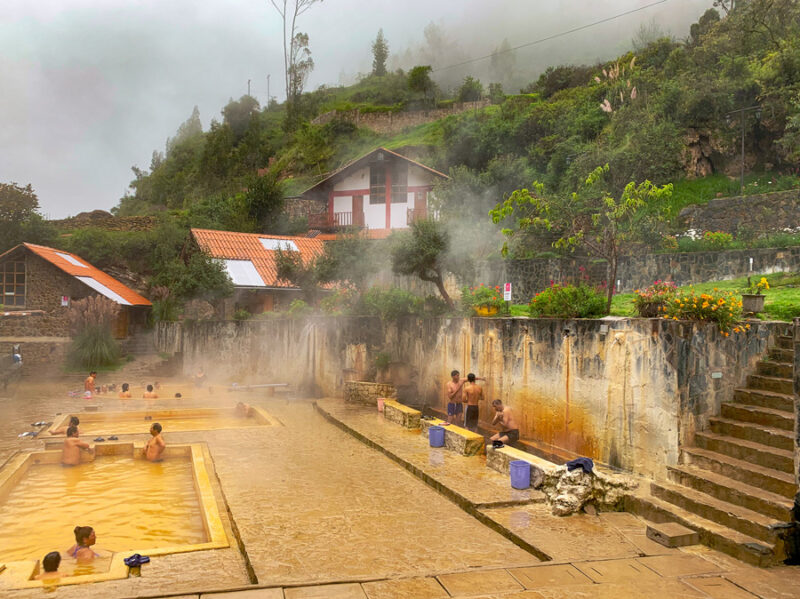
The Lares Valley is another area that sees even fewer visitors than the Sacred Valley. The Lares Valley can be reached from Calca. Lares is most famous for its local Lares hot springs. There are unique Ancasmarca ruins that are found on the road from Calca to Lares.
The Weavers Way trek in the Lares Valley is becoming a great and popular alternative trek to Machu Picchu. This trek allows hikers a deeper cultural experience to visit remote weaving villages in the spectacular Lares Valley.
Independent travelers can visit Lares as a day trip from the Sacred Valley. However, it’s still a long trip, but it is possible to sleep at the hot springs property or in the village of Lares.
☛ Psst… these are some of the best hot springs in Peru
10 | The Sacred Valley is Close to Cusco
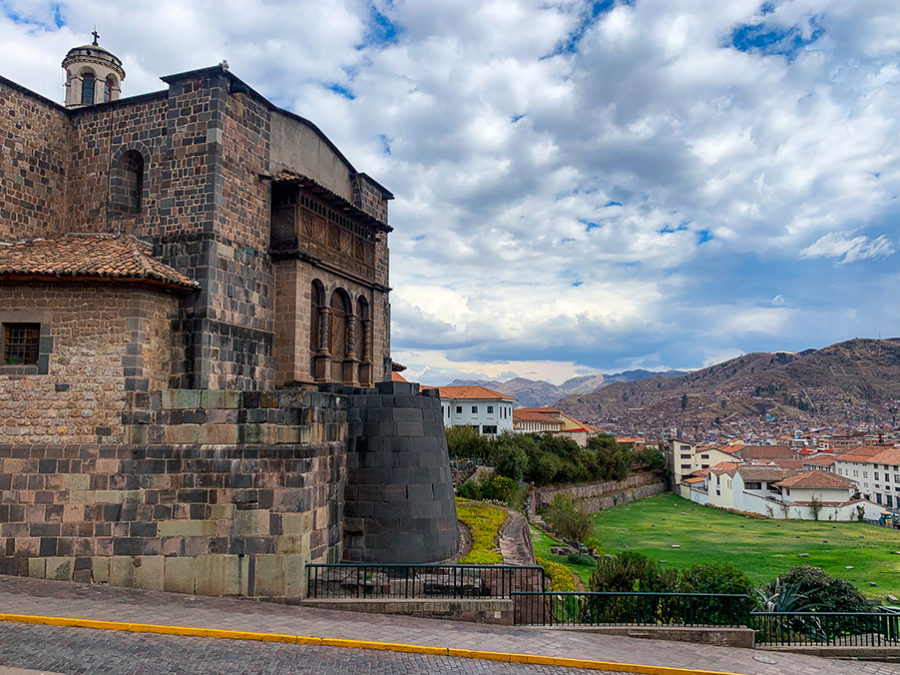
The Sacred Valley is definitely worth visiting but it’s still super close to the Imperial City of Cusco! So even if you opted to sleep in Cusco and want to spend more time in the Sacred Valley, it’s a breeze to visit.
The Imperial City of Cuzco
Cusco and the Sacred Valley are both highlights of a trip to Peru, so don’t overlook either place when planning a Peru itinerary. These unique Cusco itineraries are a great place to start.
Cusco has so many things to do and tons of day trip excursions. Visit the main sites on the Cusco Tourist Ticket, enjoy the many museums, or explore some of these free Inca sites in Cusco.
Some of the best day trips from Cusco include Rainbow Mountain and Lake Humantay. However, there are hidden gem places near Cusco like the special Inca site of Maukallacta.
With beautiful mountains and landscapes, Cusco is the hub for multi-day treks from the Salkantay trek to the up-and-coming Choquequirao trek and beyond.


Sacred Valley Travel Tips & FAQ
Here are a few more travel tips and frequently asked questions about the Sacred Valley.
How Many Days to Spend in the Sacred Valley?
Most travelers spend a day in the Sacred Valley but then come to regret that they didn’t get more time. The Sacred Valley is worth visiting, so if you only have one day, it’s best to use a guided tour to get the most bang for your buck.
Independent travelers should spend at least 2-3 days in the Sacred Valley. If you love hiking and getting off the beaten path, try to spend at least a week in the Sacred Valley. Five days in the Sacred Valley is an ideal amount of time to casually explore the region.
I spent over 6 months in the Sacred Valley and only scratched the surface of the magic here.
The bottom line is the more time you have to spend in the Sacred Valley, the better.
What is the Sacred Valley Known For?
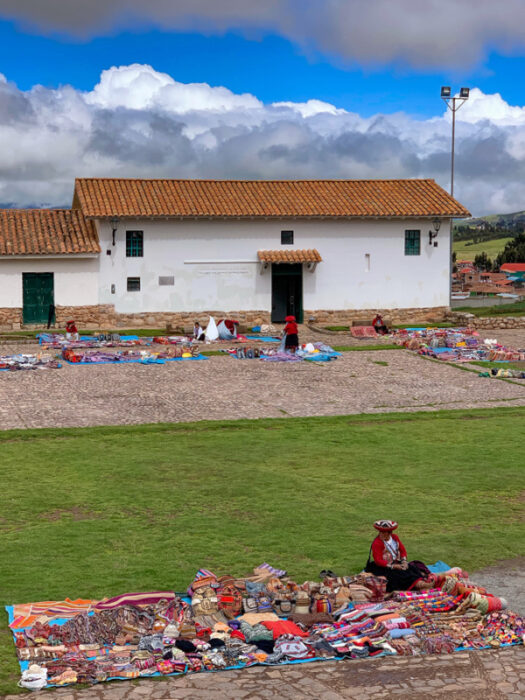
The Sacred Valley is known for its beautiful mountains, charming villages, impressive Inca ruins, and being the scenic gateway to the Lost City of Machu Picchu.
When is the Best Time to Visit the Sacred Valley?
The Sacred Valley in Peru has two very distinctive seasons, rainy and dry. The rainy season typically runs from November to April, with the dry season from May to October.
During the rainy season, many of the hiking trails can be muddy and unmaintained. The nights are warmer than during the dry season but it will rain. Sometimes the rain is just a drizzle, while other times, the storms dump out a torrential downpour.
During the rainy season, expect hiking trails and some roads to completely close. With all that rain, the Sacred Valley is so green and lush, but the chances of deadly rock and mudslides are higher. The rainy season in Cusco brings wildflowers everywhere and fewer tourists.
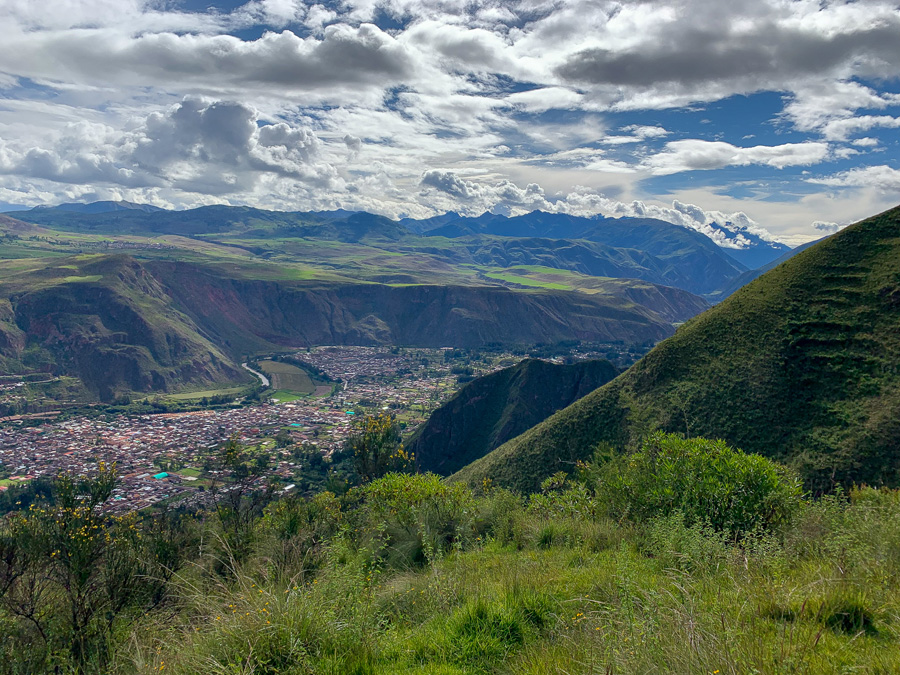

The dry season in Peru is busier and many of the trails are filled with independent hikers and tour groups. The skies are usually vivid blue and conditions are dry and fair. Although it’s dry season, the nights become much colder. The green grass fades to yellow and everything is dry. If hiking, water is more scarce.
The dry season is usually busier since it coincides with the summer months in the Northern Hemisphere.
Hikers should plan on visiting during the shoulder months or the heart of the dry season. Remember that the Inca Trail closes down every year in February for maintenance.
Is There An Entrance Fee to the Sacred Valley?
There is no entrance fee to the Sacred Valley.
However, there are entrance fees for many of the Sacred Valley activities. Here are some of the more popular Sacred Valley attractions with their respective fees.
| Sacred Valley Attractions | Fee in Soles (PEN) | USD $ |
| Machu Picchu Entrance Fee | General Ticket 152 PEN Ticket + Mountain 200 PEN | $40 $54 |
| 4 Inca Ruins on Cusco Tourist Ticket (Pisac, Chinchero, Moray, Ollantaytambo) | 70 PEN (Partial Ticket) 130 PEN (Full Ticket) | $18.50 $35 |
| Maras Salt Mines | 10 PEN | $2.75 |
| Huchuy Qosqo Ruins | 20 PEN | $5.25 |
| Pumamarca Ruins | 10 PEN | $2.75 |
| Kinsa Cocha Community | 3 PEN | 75¢ |
However, a majority of the Sacred Valley hikes and ruins are free to visit! This is another reason why the Sacred Valley is worth visiting.
Is Machu Picchu in the Sacred Valley?
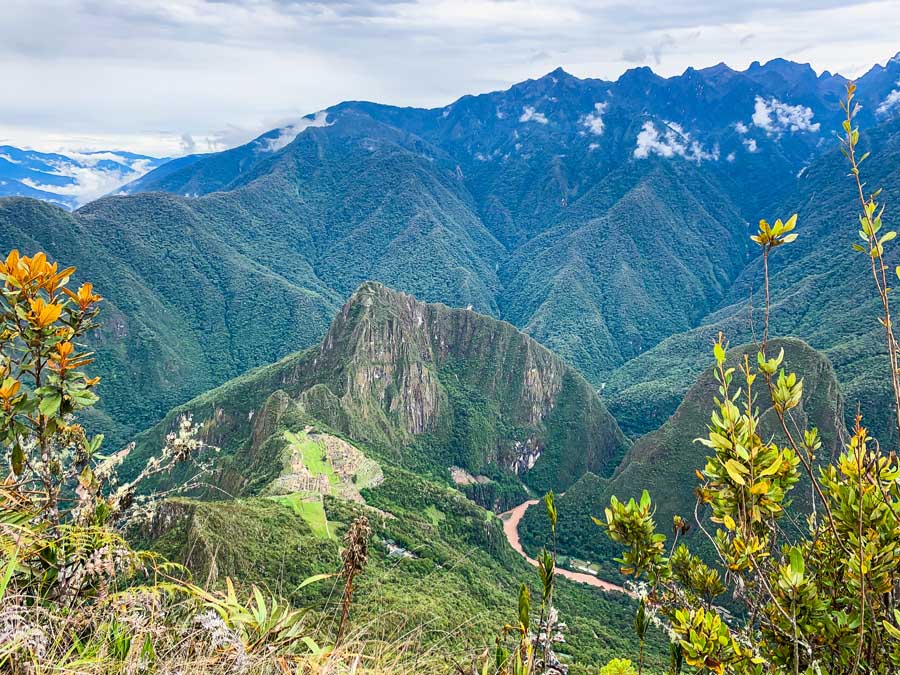
Technically, the Sacred Valley follows the Urubamba River all the way from Pisac to Machu Picchu. The small hamlet of Aguas Calientes, or MachuPicchu Pueblo, is the town that sits below the once-lost citadel.
Most travelers opt to sleep in Aguas Calientes the night before or after visiting Machu Picchu.
However, there are plenty of day trips from Cusco to Machu Picchu.
So yes, Machu Picchu is located in the Sacred Valley. The Sacred Valley from Pisac to Machu Picchu is 62 miles “as the crow flies.” The railroad tracks from Ollantaytambo follow the Urubamba River to MachuPicchu Pueblo.
When most people think of the Sacred Valley they reference the stretch of land between Pisac and Ollantaytambo.
Is the Sacred Valley Expensive?
In general, the Sacred Valley is no more expensive than other places in Peru. However, Machu Picchu is one of the most expensive places to visit in Peru.
The Sacred Valley can be visited on a budget by utilizing reliable public transportation options, shopping in the fabulous markets, and renting from local families. Budget travelers can find many free things to do in the Sacred Valley and Peru in general.
Alternatively, the Sacred Valley can be expensive if sleeping in more luxurious accommodations. Booking daily tours and eating out every night can also cause daily expenses to rise.
Any travel style will find that the Sacred Valley is worth visiting.
Where to Stay in the Sacred Valley Peru
The two most popular places to stay in the Sacred Valley are Pisac and Ollantaytambo. There are quite a few luxurious accommodations in Urubamba. However, I find that Urubamba has lots of affordable places to stay, too.
Pisac Accommodations
- Budget | El Parche Rutero Hostel
- Budgetish | Wolf Totem Boho-Chic Backpacker
- Moderate | Pisac Inn is cozy and comfortable and located right in the heart of Pisac
- Moderate – Luxury | Florencio Casa Hacienda
- Browse all the Best Places to Stay in Pisac Peru
Urubamba Accommodations
- Budget | Bull House
- Budgetish | Eco Lodge Los Perales-Urubamba
- Moderate | Las Casitas del Arco Iris
- Luxury | Inkaterra Hacienda Urubamba
- Browse all the Best Places to Stay in Urubamba
Ollantaytambo Accommodations
- Budget | Hostal EL VIAJERO en Ollantaytambo
- Budget | Casa D´Maria
- Moderate | Casa Inka B&B
- Moderate | Picaflor Tambo Guest House
- Moderate – Luxury | Apu Lodge Ollantaytambo
- High-End Luxury | Vertical Sky Luxury Suites
- Browse all the Best Places to Stay in Ollantaytambo
Are There Any Reasons the Sacred Valley isn’t Worth Visiting?
No, there is not a single reason to not visit the Sacred Valley. The Sacred Valley is a highlight of any trip to Peru, so please don’t skip it!
Even if you only have one day, the Sacred Valley is worth visiting!
Conclusion | Is the Sacred Valley Worth Visiting?
In short, the Sacred Valley is a must-see place in Peru. The Sacred Valley of the Incas boasts beautiful mountains, hiking trails, Inca ruins, incredible villages, and so much more. Do not skip the Sacred Valley in Peru!
Have you been to the Sacred Valley? What did you think….was the Sacred Valley worth visiting? Let me know in the comments below

Disclaimer: There’s a chance this post contains affiliate links, and I receive a small (but grateful) portion of the sale. There’s no extra cost to you, and I only promote things that I use and love.


