

6 Day Alentejo Road Trip from Historical Sites, Memorable Villages, and Cultural Treasures
Sun-kissed plains of wheat, ancient groves of oak, cork, and olive trees, tiny villages built on craggy hilltops- these are the images that stick into my mind the most when I think of Portugal’s beautiful Alentejo Region.
The Alentejo is Portugal’s largest region. The area makes up almost 1/3 of the total country and is home to small villages, historical sites, cultural traditions, and is one of my favorite destinations in Portugal. As the area is so vast, the best way to experience the treasures of the region is on an Alentejo road trip.
I’ve had the pleasure of visiting Portugal’s most traditional region a few times. It’s always high on my list of recommendations when I hear that a friend is visiting Portugal.
This detailed Alentejo road trip itinerary spans a minimum of 6 days, but with so much to see, it would be easy to extend a few days here or there. Alternatively, it would be possible (yet hard) to remove villages and places from this suggested itinerary. It’s worth noting that I am only including the inland region of the Alentejo, and not its coastline. I think the coastline requires its own specific road trip.
I’ve included a few ways to follow this Alentejo itinerary, day-by-day highlights, and places to see after spending time in Portugal’s Alentejo region.
Here’s my best road trip itinerary to discover the magic of the spectacular Alentejo region.
Table of Contents
- Where to Base in the Alentejo?
- Alentejo Road Trip Itinerary Day by Day (6-8 Days)
- Where to Visit Next After the Alentejo Region
- Why the Alentejo Region is Worth Visiting
- A Taste of the Alentejo⎟ Detailed Alentejo Road Trip Itinerary
Disclaimer: There’s a chance this post contains affiliate links, and I receive a small (but grateful) portion of the sale. There’s no extra cost to you, and I only promote things that I use and love.
Where to Base in the Alentejo?
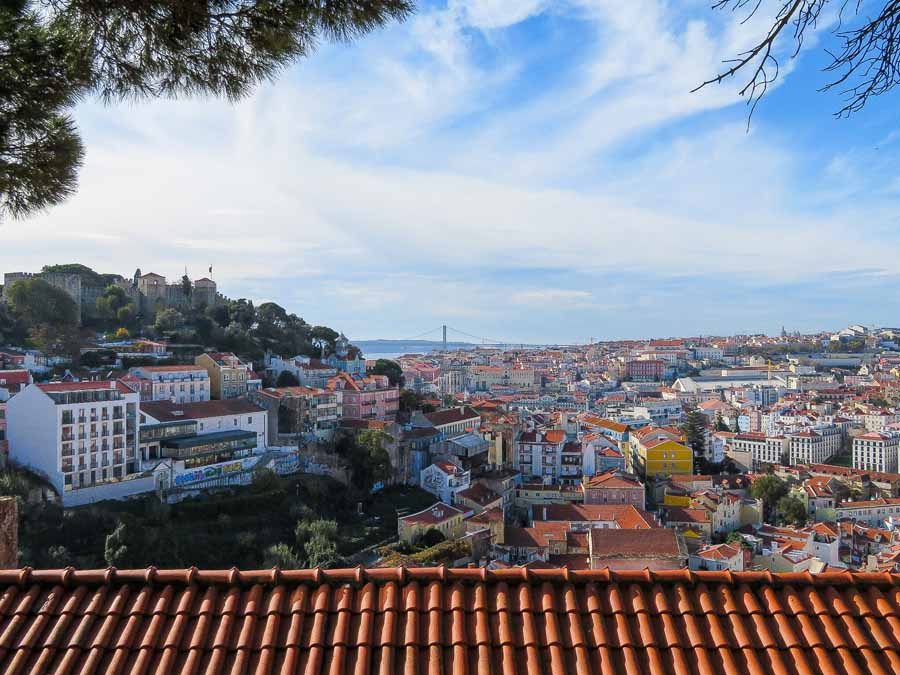
Most people visiting the Alentejo region will be arriving from Lisbon. After spending a few days exploring and sleeping in Lisbon, it’s one of the easiest places to pick up a car.
While I think the best way to explore the Alentejo region is by moving from village to village, some people don’t like to move and prefer to have a base. It would be easy to base yourself in Évora, the capital city of the Alentejo region and the largest city.
Last time we visited the Alentejo region, we stayed in Estremoz, which was nice and centrally located.
For me, I prefer to spend time in smaller villages and closer to nature, but if you want more restaurants and things to do, Évora is the best option, and even Elvas (although not as centrally located).
1 ⎢Évora
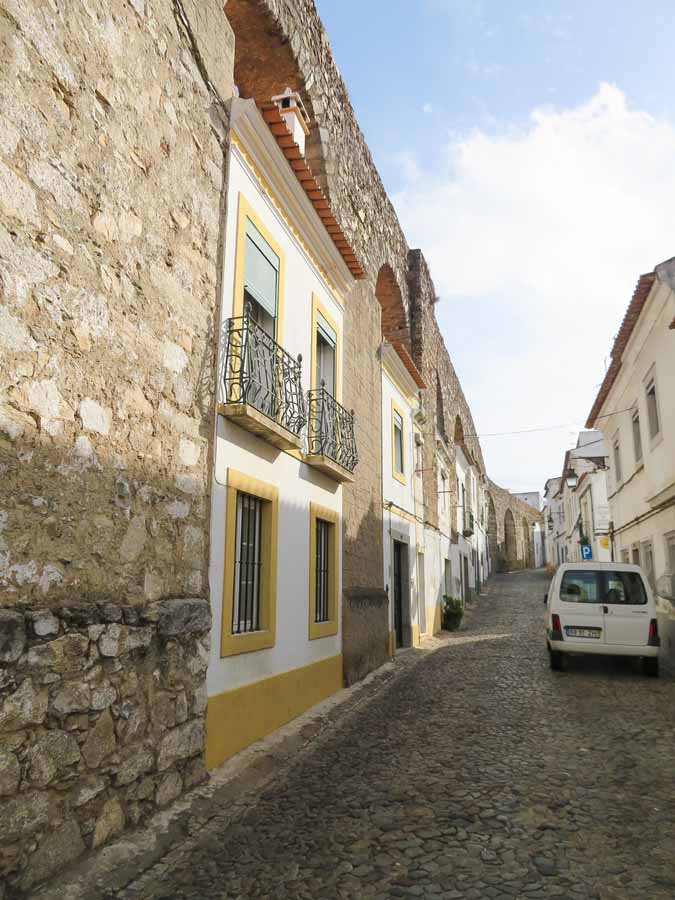
Évora is the largest city in the Alentejo region, with just shy of 50,000 inhabitants. There are numerous things to do, guided tour options, restaurants, spas, and more to experience all in Évora. Almost all of these sites on this road trip could be explored from Évora as a base. However, Marvão would be a long day trip at almost a 2-hour drive each way.
Top-Rated Places to Stay in Évora
- Evora Olive Hotel
- Pousada Convento de Évora
- M’AR De AR Muralhas
- Albergaria Do Calvário
- Heaven Inn Suites & Terrace
➜Browse All the Best Places to Stay in Évora
2 ⎢Estremoz

Estremoz is a smaller village with a population of around 12,000 people and is north of Évora. We stayed here last trip and loved the quieter feel of the village, but still with access to many of the highlights of the Alentejo region. Most of the places listed on this itinerary are more or less than an hour from Estremoz
Where to Stay in Estremoz
- Pousada Castelo de Estremoz
- Casa do Gadanha
- Casa da Muralha
- Casa Morgado do Casco
- Refúgio Alentejano (a short distance outside of Estremoz but super dog friendly, we loved it here!)
➜ Browse all the Places to Stay in Estremoz
3 ⎢Move Village to Village

It would be easy to move a little during this road trip. Some people prefer to move, while others prefer to stay put. Here’s how I would move with this Alentejo road trip.
Suggested Sleeping Itinerary
➜ Browse all the Places to Stay in the Alentejo Region
Reverse This Alentejo Road Trip Itinerary If You Want to Add the Coast
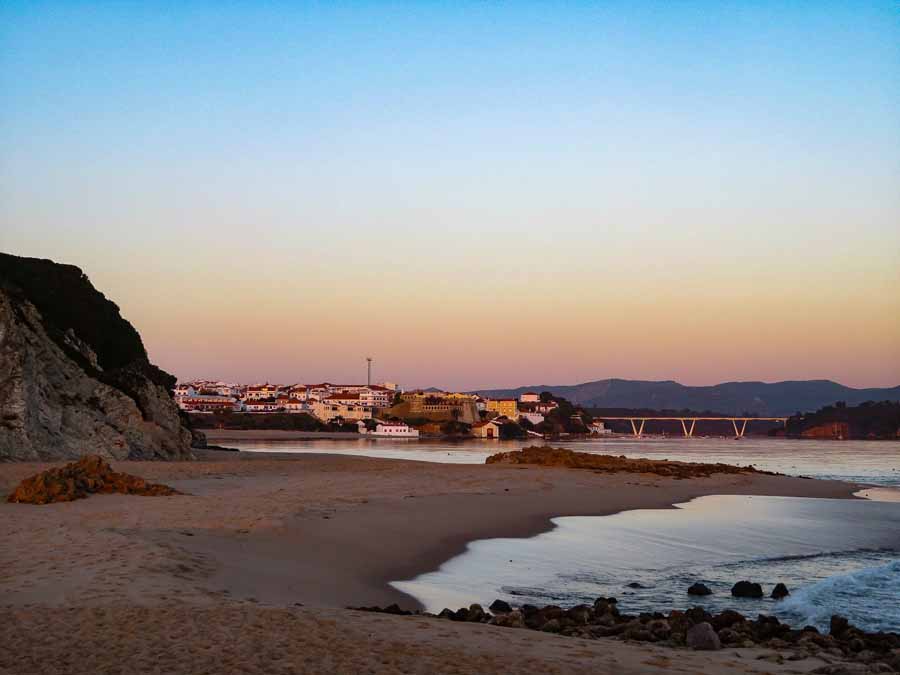
Again, this Alentejo road trip skips the coastline, which is worth a visit in its own right. If you want to add the coast, simply depart Lisbon and head to Marvão first. Lisbon to Marvão would be just under a 3-hour drive.
That would mean the itinerary would end in Èvora, or Vila de Frades.
From here, you could head west towards the coastline.
Some of my favorite stretches of the Alentejo coastline are found between Sines and south of Vila Nova de Milfontes. From Vila de Frades, Vila Nova de Milfontes is about 1 hour and 45 minutes away.
Alentejo Itinerary for 6 – 8 Days With a Car
This Alentejo road trip itinerary focuses on the interior of the region (think hilltop villages, historical sites, and artisanal villages. Again, either pick one village and base (Évora for a lively historical city), Estremoz (small and more centrally located), or move about as you wish.
* Click on each day to see the day-by-day breakdown
Day 1 | Head to Alentejo (Évora)
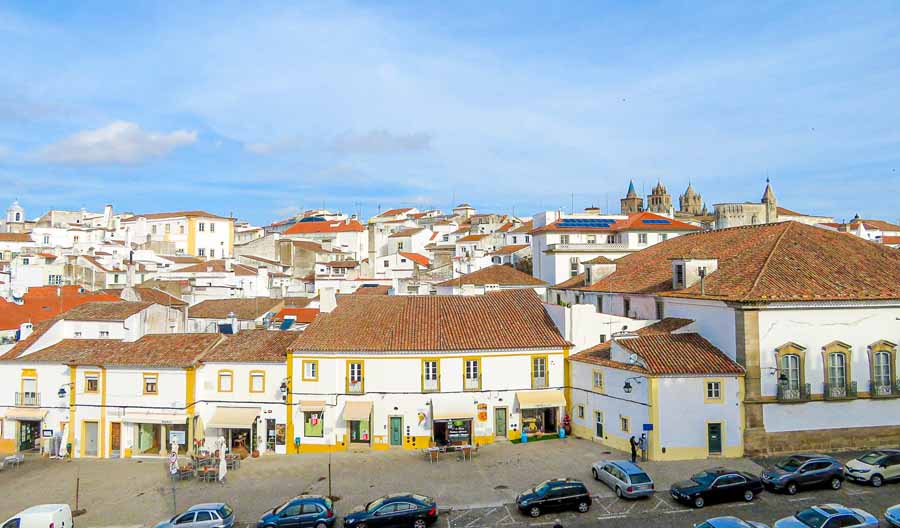
Those planning to visit the Alentejo region will most likely pick up a rental car from Lisbon.
Some quick notes on driving in Portugal. I typically always get asked to show my International Driving Permit as an American, so make sure to get one before arriving in Portugal. Those who can drive a manual car will have much cheaper daily rates. Use a travel credit card that provides international car rental insurance; this can help reduce the high daily insurance costs.
If you plan on heading into Spain, make sure to get a rental car that charges a one-time fee (usually 30 Euros) rather than one that charges a daily fee. It’s cheaper to return the car at the same place you pick it up. That would mean this car rental will be Lisbon to Lisbon.
Plan on sleeping at least two nights in Évora.
🚗 Lisbon to Évora non-stop on the toll road is around 2 hours, or avoid the tolls and arrive in Évora in 2 and a half hours.
Optional Stop | Montemor-o-Novo or Almendres Cromlech

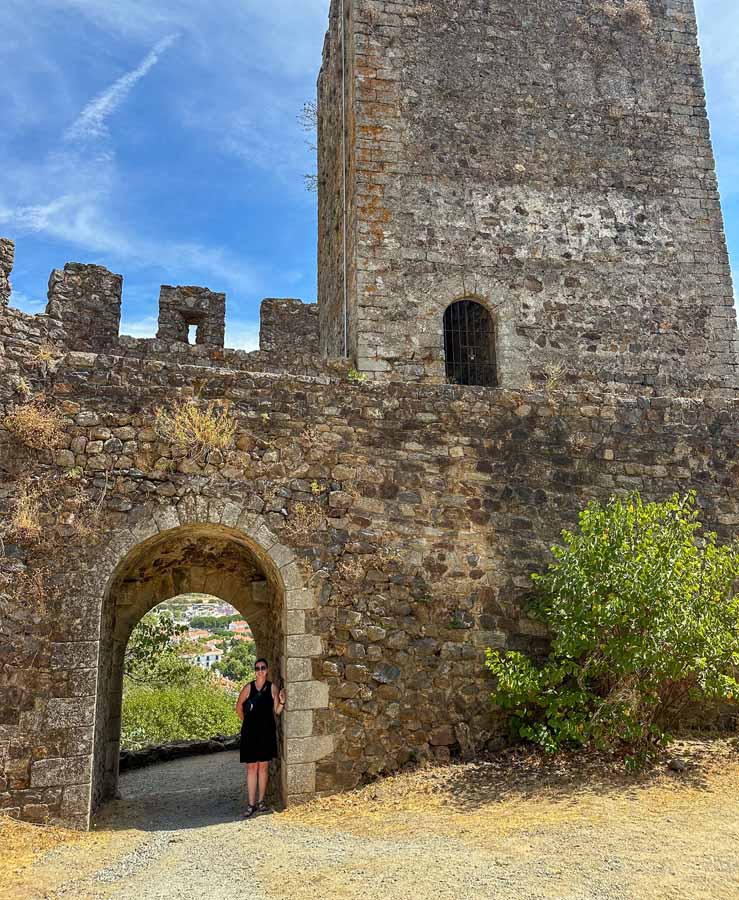
On a road trip, I love stopping at random places along the road. To help break up the trip, stop at either the Castle of Montemor-o-Novo or, for those interested in the incredible Neolithic structures in the region, visit Almendres Cromlech.
We opted to stop at the hilltop Montemor-o-Novo Castle. The Castle of Montemor-o-Novo is free to explore and offers incredible views of the village below. The 13th-century walls contain the old village, a clock tower, fortified towers, the São Tiago Church, which acts as the interpretation center, and the Convento da Saudação.
Alternatively, just outside Évora is Almendres Cromlech, one of the more preserved stone circles in the region. This structure is said to be over 7,000 years old and contains around 95 pillar stones. Be mindful of the road if visiting. It has been very deteriorated, so it’s best to walk from Almendres village.
Visit the Highlights in Évora
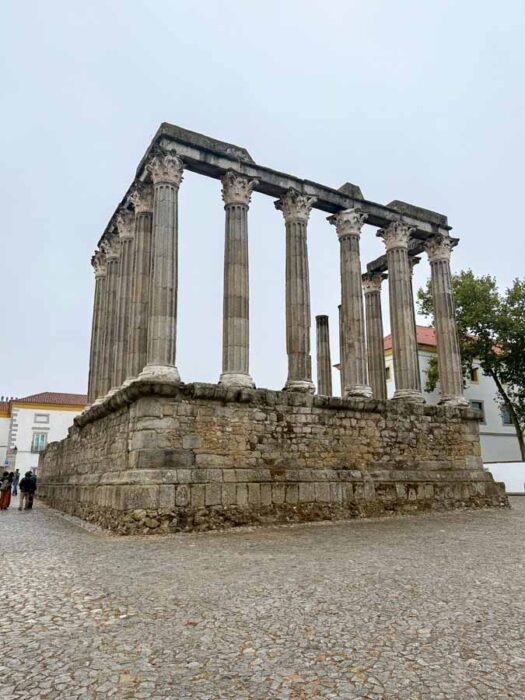
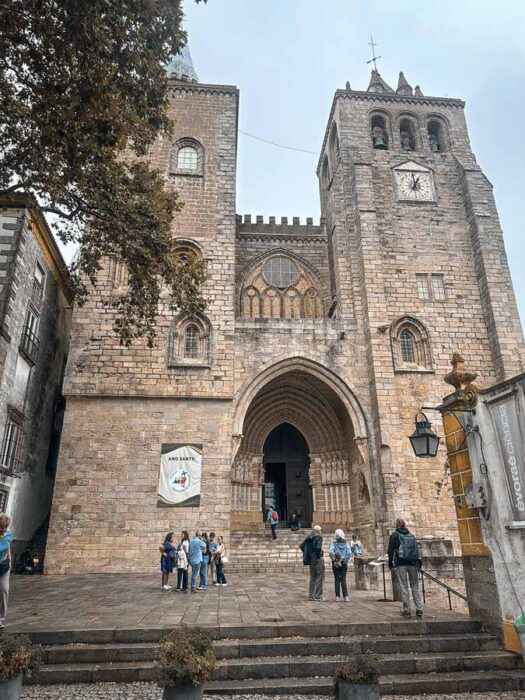
Évora is the largest city in the Alentejo and the capital city of the province. The historical city is known for its rich cultural history, including Celtic roots, Roman rule, Visigothic influence, and Moorish impact. Many sights can still be seen from many of these power shifts.
During the 15th century, Évora had its Golden Age, with many of the kings and royalty residing in the area. Today, the Historic Old Town is considered a UNESCO World Heritage Site.
On the first day, it’s best to visit the main highlights of Évora. If it’s mid-afternoon, I’d grab lunch and then head to some of the paid monuments.
The most visited site in Évora is the Chapel of the Bones, which is next door to the 14th-century Gothic Church of San Fransico. The Church is free to visit, but the 16th-century Chapel of the Bones is its own ticket with access to the Sacred Art Museum, the Nativity collections, and views from the terrace.
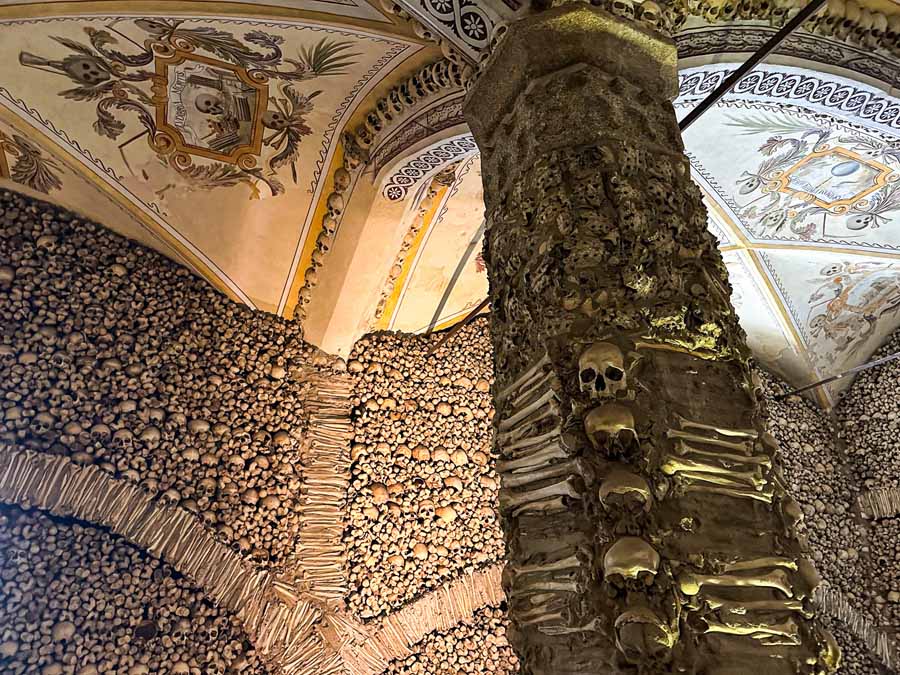
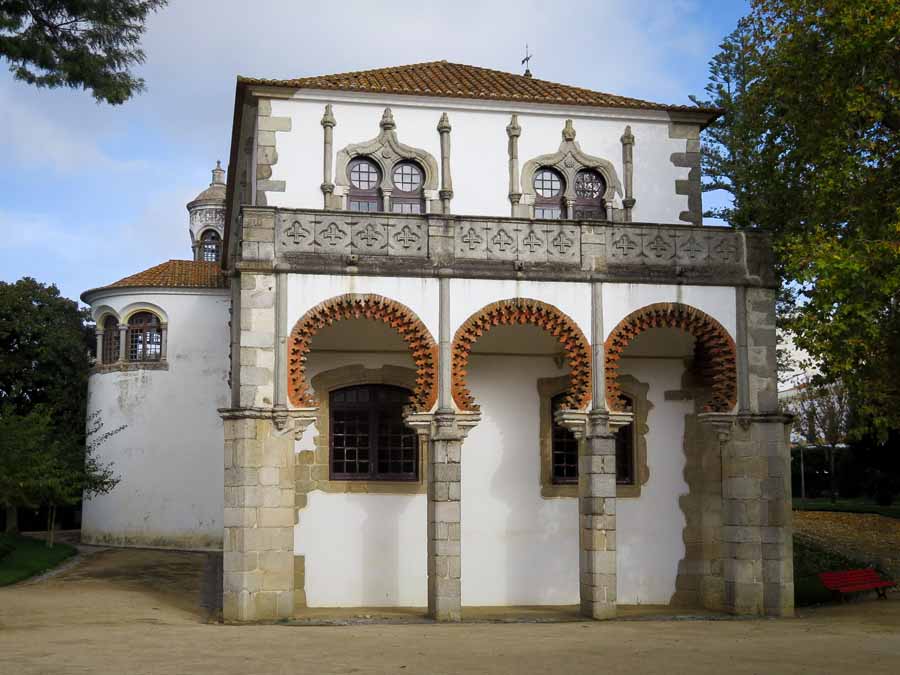
After that, take a wander in the public gardens; Palácio de Dom Manuel is one of the most iconic buildings and has a free Interpretation Center that gives a history of the city. The gardens are a fantastic place to wander and appreciate some of the fake ruins, made from real ruins from places nearby.
Wander through Praça do Giraldo, the main plaza of Évora. There are lots of great little streets to explore filled with souvenir shops, cafes, wine bars, and more.
Head to the Cathedral of Évora; this is the largest medieval cathedral in Portugal and was constructed during the 12th and 13th centuries. Today, visits include the Cathedral, Cloister, and a visit to the roof. The Cathedral was built on the tallest point of Évora, so the views are worth it.
From here, you can also see what remains of the Templo de Diana (Roman Temple). The Roman temple was built in Corinthian style in the early 1st century AD.
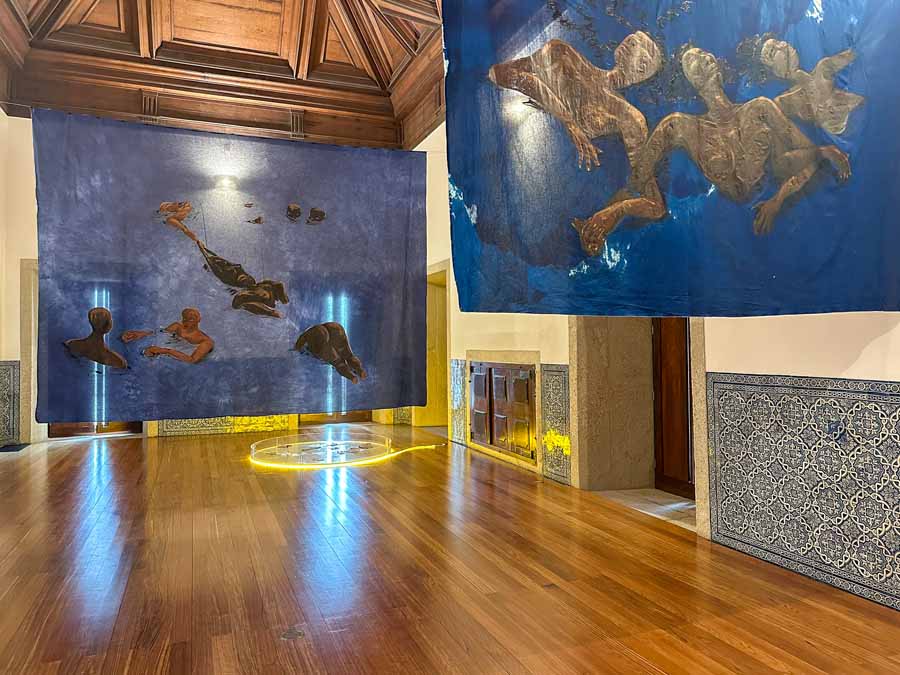
In this plaza, there are also many places of interest like the National Museum Frei Manuel do Cenáculo, the Cadaval Palace known for its chapel, and the Center for Art and Culture Fundação Eugénio de Almeida.
As you can see, there are many places to see in Évora, which is why it makes a good place to base yourself for at least two nights. That allows a chance to explore what you want and experience the rich cuisine and wine culture.
Day 2 | Blankets, Pottery, & Monsaraz Hilltop Village

Try to get an early morning start on Day 2 of this Alentejo road trip. Highlights of today include a chance to stop at two artisan villages and end the afternoon in Monsaraz, one of Portugal’s most beautiful villages.
Option to Stop in Reguengos de Monsaraz
🚗 Évora to Reguengos de Monsaraz + / – 40 minutes
Reguengos de Monsaraz is famous for its heirloom wool blankets. One of the best places to see here is Fabricaal. The workshop offers a chance to see people weaving on looms, which dates back to the 16th century.
Fabricaal | Find it here: Rua dos Mendes 79, Reguengos de Monsaraz | Cost: 5€ | Hours: Mon-Fri, 9:00 – 13:00 / 15:00 – 17:30
Tour costs are reimbursed if you purchase something in the shop. Those who choose to bypass the factory can also find an artisanal shop in Monsaraz, Loja Fabricaal Monsaraz.
If looking for something a little different, Reguengos de Monsaraz also has its own Gin Distillery, Distilery Gin Sharish.
São Pedro do Corval

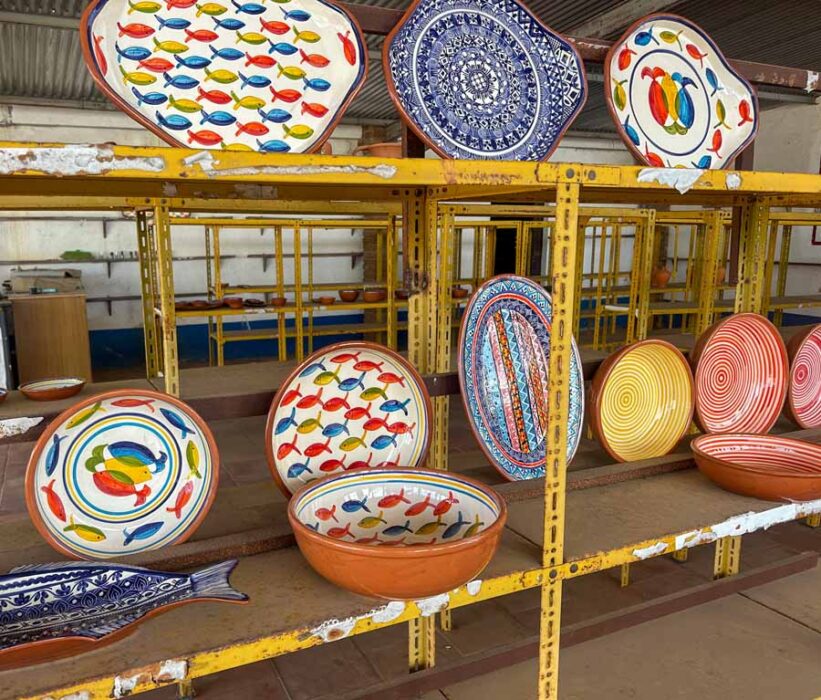
🚗 Reguengos de Monsaraz to Corval + / – 10 minutes
One of the most famous artisan villages in the Alentejo region is São Pedro do Corval. The village is home to more than 21 pottery artisan shops. This puts little São Pedro do Corval on the map for having the largest concentration of pottery shops in Portugal and the entire Iberian Peninsula.
It is said that the region’s history with pottery dates back to prehistoric times. With all the megalithic structures and dolmens, it’s easy to tie pottery making to this timeline. The first historical reference to São Pedro do Corval as an artisanal pottery hub is first mentioned during the 17th century.
The best way to experience the village is to wander down the main street of the village. Browse each shop and see the unique style of each handicrafter. We parked the car and just started wandering from Olaria to Olaria.
Monsaraz, One of Portugal’s Most Beautiful Villages

🚗 Corval to Monsaraz Village Parking + / – 15 minutes
Monsaraz is a fortified medieval village close to the border of Spain. It sits picturesquely above Europe’s largest artificial lake, the Alqueva Reservoir, and received the honor of being one of Portugal’s most wonderful villages in the category of Monument Villages.
Monsaraz is home to a hilltop Castle, white-washed buildings, schist streets, and has endless views of the sun-kissed plains of the Alentejo region. The village is also unique as it has been influenced by the Moors and the Christians, and is said to have ties to the Knights Templar.
Monsaraz is also surrounded by many fascinating prehistoric megalithic monuments. It is believed that these sacred stones have been standing for over 5,000 years.
Another incredible thing about Monsaraz is that it is considered one of the world’s first “Starlight Tourism Destination.” Located just above the Alqueva Reservoir, the Observatório do Lago Alqueva provides astronomy observations in English and Portuguese and is part of the protected Dark Sky Reserve.
Explore Monsaraz on a Tour
If you don’t feel like visiting the artisan village and want to spend more time exploring Évora, it’s possible to join a guided tour from Évora
➜ This half-day trip from Évora takes a quick pause in the pottery village of São Pedro do Corval, visits the Monsaraz Castle, and then includes a wine tasting in the village
➜ Interested in history? This Half Day Monsaraz Tour from Evora is done by local archaeologists
Finish Sightseeing in Évora

🚗 Monsaraz Village Parking to Évora + / – 1 hour
After a jam-packed day, you’ll probably arrive back in Évora around dinner time. This is a great chance to try one of the rich culinary dishes. Don’t leave Alentejo without trying the Black Pork (Porco Preto). This region prides itself on hearty soups, stews, and local products.
A wine tasting of Alentejo wines is also a fabulous experience, and it is one of my favorite wine regions.
Another treat may be visiting InAcqua Veritas, a spa designed after the old Roman bathhouses. They offer everything from massages to spa packages and are open late!
*Add an Extra Day | Discover Talha Wine in Vila de Frades
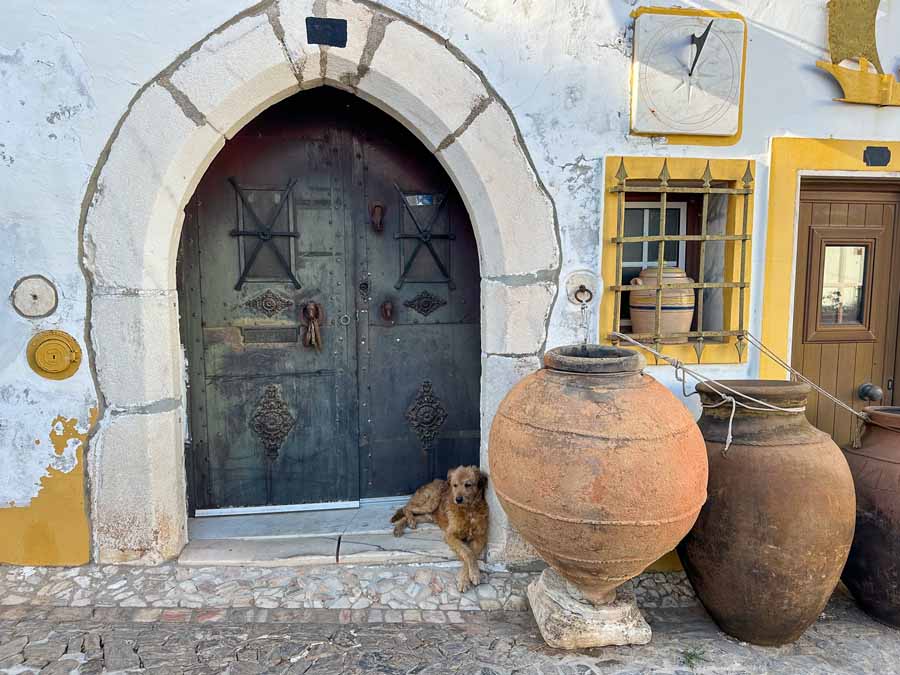
🚗 Évora to Vila de Frades +/- 1 hour
Those who love the Alentejo wines will want to add an extra day to this Alentejo road trip and head south of Évora to Vila de Frades.
Vila de Frades is an Alentejo village famous for its wine made in Talhas. Talhas are large clay vessels that are used to ferment wine. This tradition was brought to Portugal by the Romans over 2,000 years ago and is still used today.
In Vila de Frades, there are almost 20 wineries that use the talha method to produce wine. For this reason, it has been declared the National Capital of Talha Wine. On top of the DOC-protected Talha Wineries, there are 4 vineyards near the village.
If planning on visiting this wine-focused village, I think it’s best to sleep in Vila de Fraces. Portugal has a very strict drunk-driving BAC limit of 0.05%. This means that even one glass of wine will more than likely put you over the legal limit. To enjoy this unique wine, stay in the tiny Vila de Frades.
Once in the village, visit the small local wineries, visit the Interpretation Center of Talha Wine, or book a tour to learn more about this ancient fermenting technique!
Talha Wine Tours
➜ Honrado Vineyards offers this highly-rated tour of the Winery-Museum that uses Talha Wine Production. This English tour offers a chance to sample 4 different DOC wines with snacks in a beautiful space. This tour is from the village of Vila de Frades
Alentejo Road Trip Day 3 | More Alentejo Artisan Villages to Estremoz
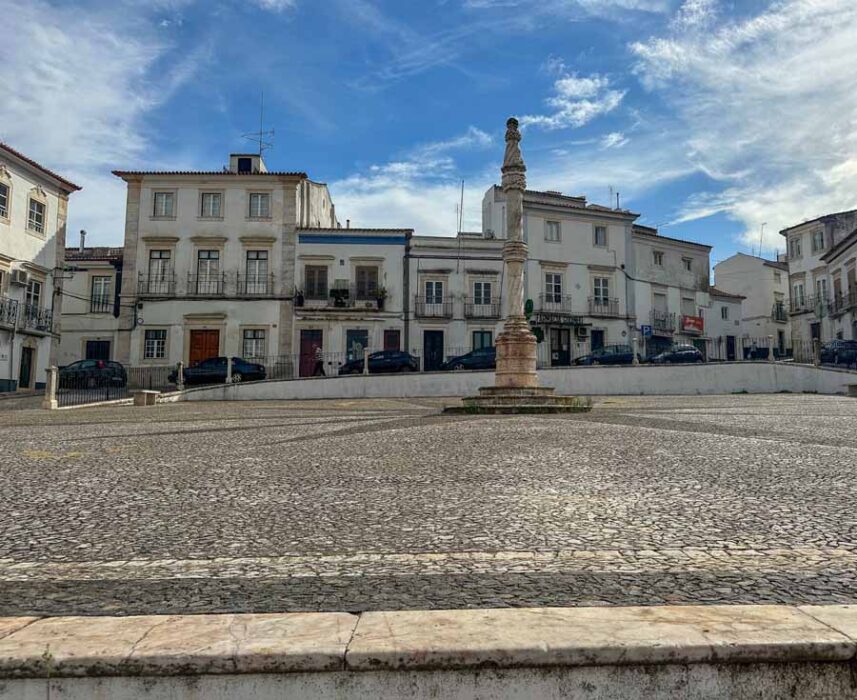
If you skip the Talha wine region, that’s okay! There are more chances to see the giant clay talhas in other villages.
This day is all about more artisan villages, hilltop castles, and will end in the Alentejo’s “White City” of Estremoz. If following along with my itinerary, plan on sleeping two nights in Estremoz.
Arraiolos


🚗 Évora to Arraiolos +/- 20 minutes | Vila de Frades to Arraiolos +/- 1 hour 15 minutes
Most people visit Arraiolos to see the exceptional handmade stitched wool rugs. These carpets have been crafted by women over centuries, with the first written record of the artisans dating back to the 16th century.
To get an overview and history of the Arraiolos Carpets, head to visit the Interpretive Center of Arraiolos in the center of the village. Another fabulous thing to do is to wander the village and stop in at local producers. Oftentimes you can see women sitting and handstitching the impressive rugs.
Arraiolos has a lovely hilltop Castle, although a little rundown. It’s free and in a circular shape. From here you can expect stunning views of the typical landscape of Alentejo. If looking to go for a hike, the PR1 ARL Route, Entre Pontos e Colinas de Arraiolos, is a popular loop trail. The hike starts from the village and includes a chance to see local cork forests, a lake, and livestock grazing in the fields.
If looking for a snack, don’t miss the famous “Empadas de Arraiolos,” or for something sweet, try “Pastéis de Toucinho,” which is a sweet pastry made with pork fat.
Evoramonte

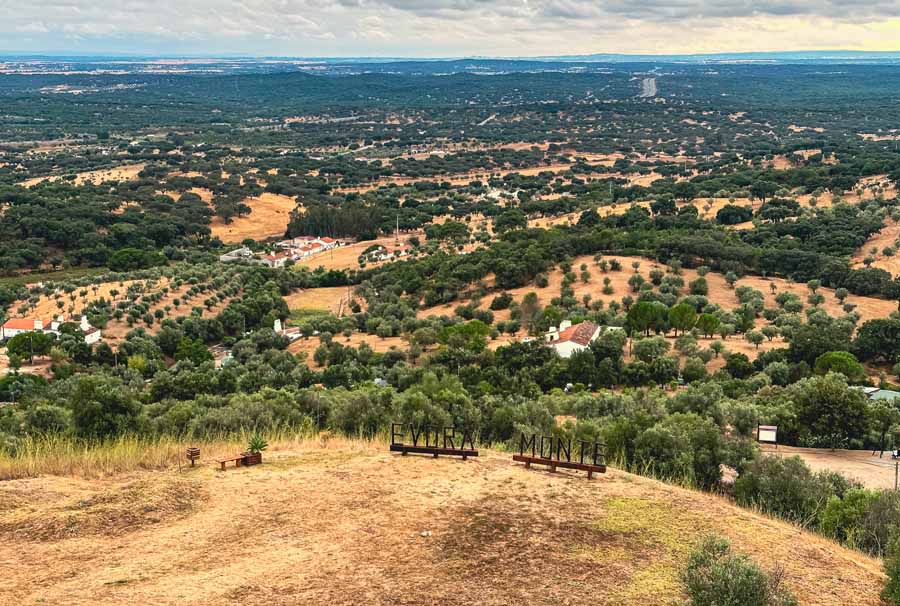
🚗 Arraiolos to Evoramonte Castle +/- 30 minutes
Most people visit the old settlement of Evoramonte located at a peak along the Serra d’Ossa mountain range. It is a small fortified village with one road and the iconic Evoramonte Castle. The castle sits at about 481 meters (1,578 ft).
The fortified village was built in 1306 under the rule of King Dinis. The castle was damaged by the great Lisbon earthquake and was rebuilt in its unique style in 1531.
While the Old Town is literally a few streets, the village is a great place to get out, snap some photos, and continue on the way.
Option to Visit Redondo
🚗 Evoramonte Castle to Redondo +/- 25 minutes
Redondo is also known for its beautiful pottery factories and a museum that highlights the clay pottery. The village also has a unique museum dedicated to its beautiful paper flower art. This is also a place where you can sample wine from Talhas.
We didn’t stop in Redondo just because we ran out of time, but it definitely has character and has plenty to see. This is also the home of Corktrekking, an adventure tour group dedicated to highlighting the beautiful cork forests and production.
Cork Trekking Tours
From Redondo, take this 2hr Cork Safari in a Classic Land Rover or experience the Jeep Cork Tour Experience Pack, which also highlights local cuisine and wine
Head to Estremoz to Sleep
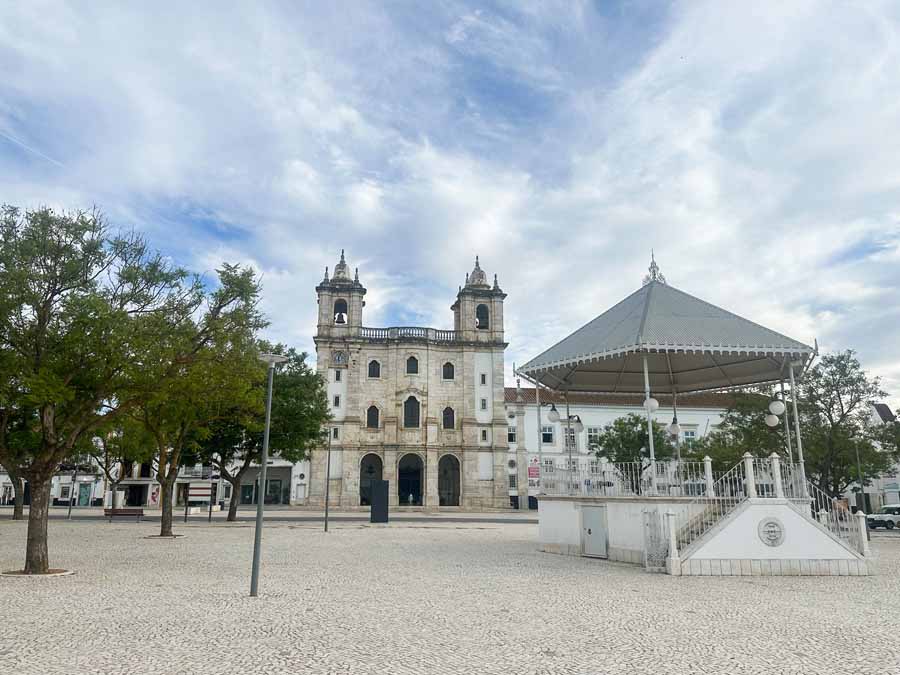
🚗 Evoramonte Castle to Estremoz +/- 25 minutes | Redondo to Estremoz +/- 30 minutes
Estremoz is known as the “White City” due to its numerous marble quarries located around the village. However, many of its structures and streets have marble incorporated into them. If following this itinerary, plan on sleeping two nights in Estremoz.
If you have some time, wander through the Old Town, catch the sunset from the fountain, or catch a meal at one of the typical restaurants.
Day 4 | Estremoz With Option to Visit Elvas
There’s plenty to see in Estremoz; however, there’s also a possibility to head over to Elvas to see the UNESCO-recognized border village fortress.
Wander Old Town of Estremoz & Visit Museums
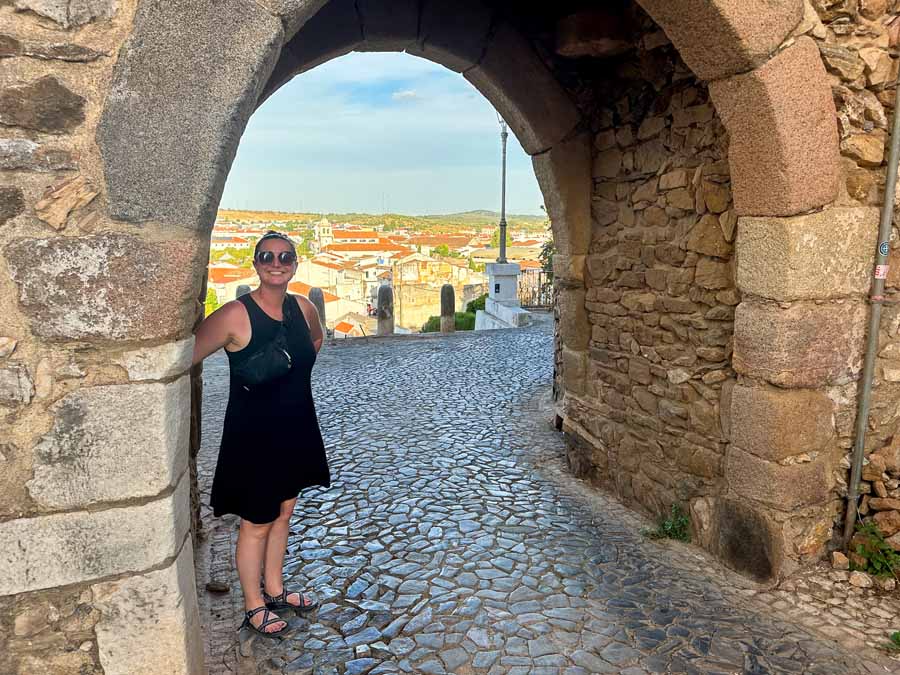
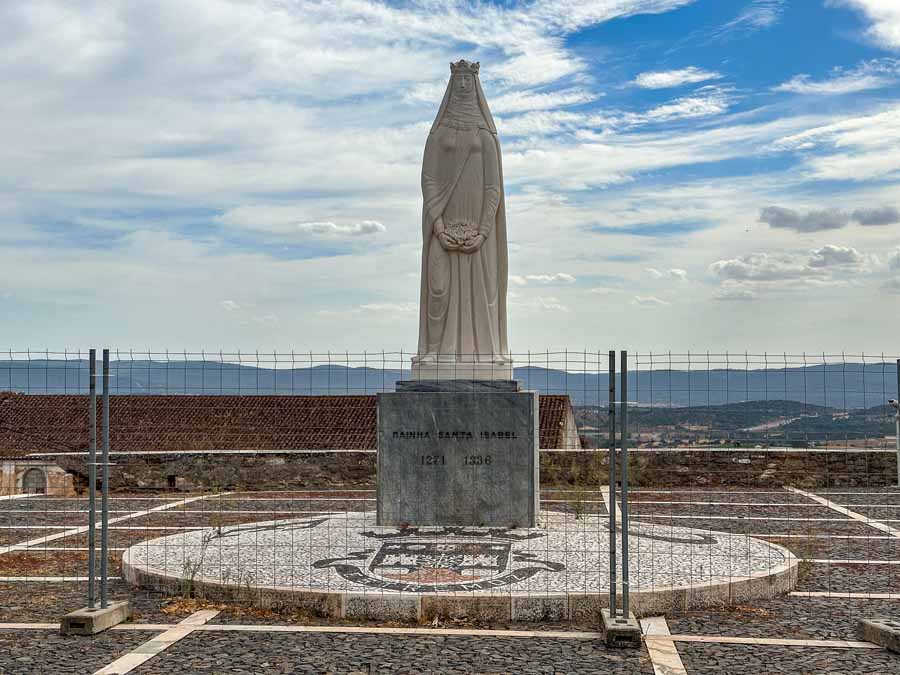
Estremoz was a delightful surprise on our Alentejo road trip. The Old Town is perched on the hillside with its twisting streets and 13th-century walls.
The Estremoz Castle was built by King Dinis for his wife, Queen Isabel of Aragon, who was known for her charity and kindness towards the poor, which would go on to make her a saint. The Torre das Três Coroas of the Estremoz Castle is one of the most iconic marble structures in the town.
Today, it’s possible to visit the Pousada Castelo de Estremoz (2 Euros). Alternatively, the Estremoz Castle is now a luxury hotel, the Pousada Castelo de Estremoz, with a pool, historical rooms, and breakfast included.
Across from the Estremoz Castle are a few places of interest like the Estremoz Municipal Museum Professor Joaquim Vermelho, the Church of Santa Maria with its art exhibitions, and the Statue of Queen Santa Isabel.
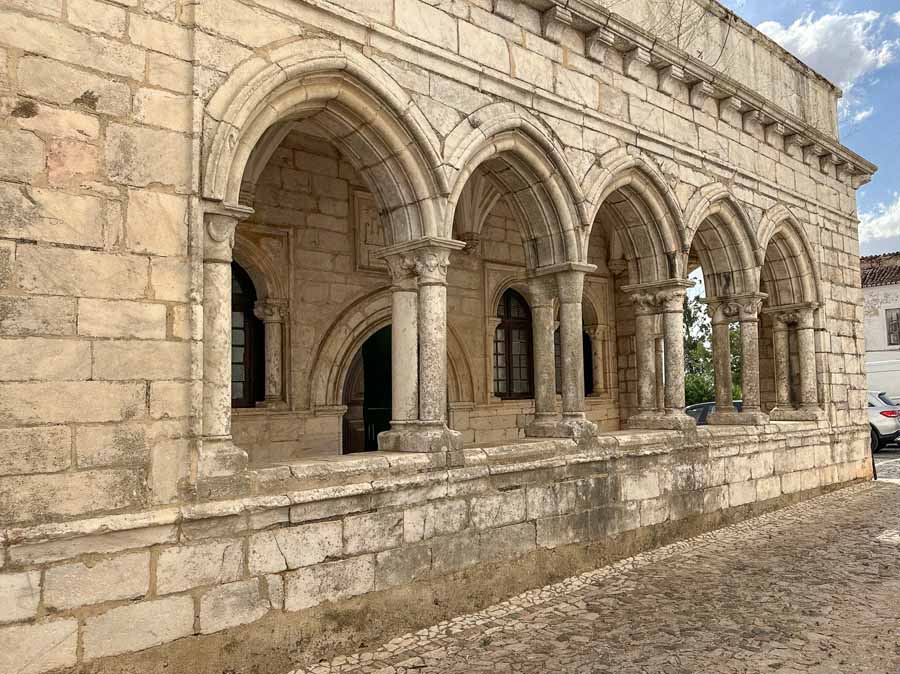
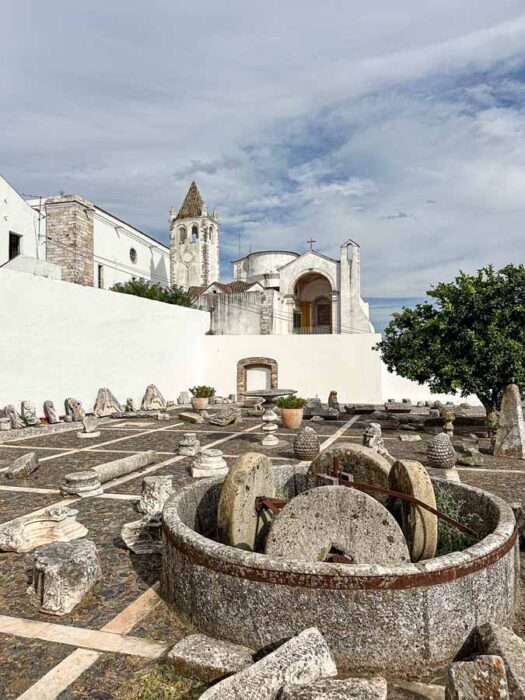
Follow the cobblestone streets out of the Old Town and to the modern “New Town” found below the castle. It was constructed during the 14th century, with the fortified walls being completed during the 17th century.
Estremoz has numerous museums within the New Town, like the Museum of Berardo Estremoz, a museum that boasts over 800 years of Portuguese tiles (Azulejos), the kid-friendly Science Museum, and the Interpretation Center of the unique clay figures of Boneco de Estremoz.
If you really want to see it all, join this local Estremoz Walking Tour.
Estremoz boasts a beautiful fountain, delicious restaurants, and is home to the beloved Saturday Market, which is one of the largest and liveliest in the entire Alentejo region. The village is surrounded by numerous wineries like Tiago Cabaço Winery, João Portugal Ramos Wines, and Adega do Monte Branco, to name a few.
Marble Tour
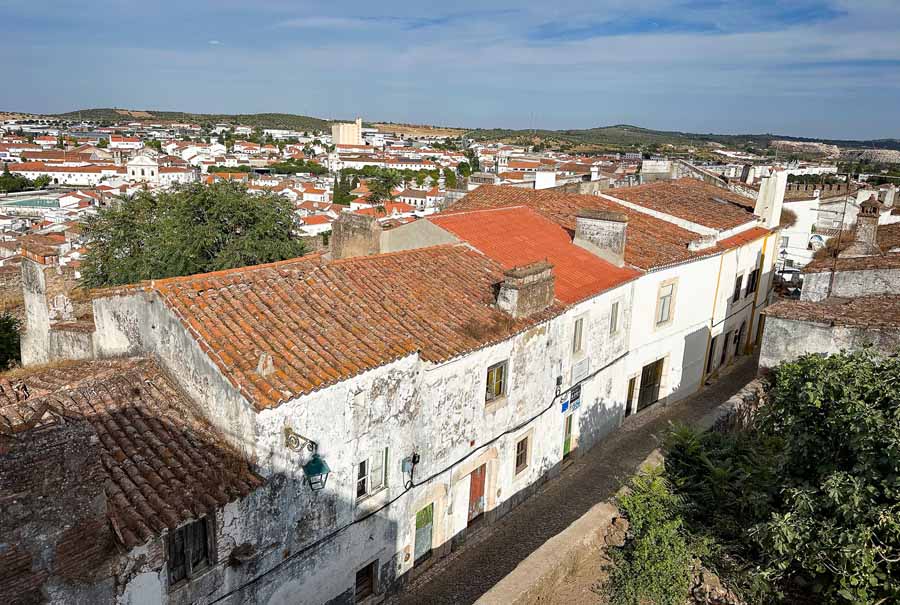
🚗 Estremoz to Vila Vicosa +/- 20 minutes
With a jam-packed morning, you could visit a majority of the main sites and maybe have time to spare to join a marble tour. This region is known for its marble quarries, and almost all of Portugal’s marble comes from this region.
This guided tour from nearby Vila Viçosa handles all the logistics to visit the Marble Quarry and includes a stop at a workshop and marble mill
Option to Visit Elvas
🚗 Estremoz to Elvas +/- 35 minutes
Elvas sits right on the Spanish border west of Estremoz. Elvas is recognized as a UNESCO World Heritage site for its fortified border structure. The main fortified walls were constructed from the 17th to the 19th centuries, with Elvas having the largest bulwarked dry-ditch system in the world.
Within the fortified wall, Elvas has a mixture of barracks and military buildings, but also sacred sites like churches and monasteries.
The main highlights of Elvas include the historic city center, the impressive Amoreira Aqueduct, the Santa Luzia Fort, the Graça Fort, and a few other defensive fortlets along the village.
This Elvas at Sunset Tour is the perfect way to see the village during the golden hour. It lasts around 2 hours and includes the main highlights of the fortified village.
Alentejo Road Trip Day 5 | Visit Marvão & Sleep in Serra de São Mamede Natural Park

Leave Estremoz and head to Marvão. I think it’s best to get there early because this fortified village really does have so much to see! This would also allow for an afternoon to chill by the river beach or book an adventure!
If you want, you could sleep two nights in Marvão to experience all that the Natural Park has to offer.
🚗 Estremoz to Marvão +/- 1 hour 10 minutes
Within a 25 km radius of Marvão, there are said to be over 200 megalithic structures dating back to the Neolithic, Bronze Age, and Iron Age eras. This includes crossing over to the Spanish border, and the structures range from stone circles to dolmens. So be ready to stop if something looks interesting!
Marvão


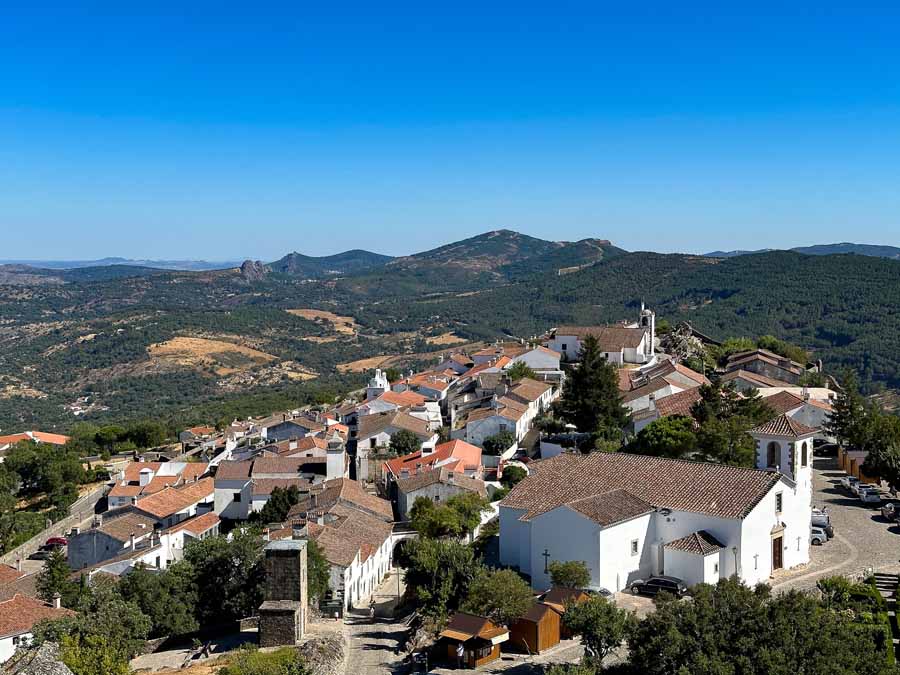
Marvão is absolutely stunning; in fact, it might be my favorite hilltop village in the Alentejo region. The village is perched on top of a rocky cliffside and sits at an impressive 860 meters (2,822 ft) in the heart of the Natural Park of Serra de São Mamede.
The fortified village of Marvão has quite a few historical sites within the walls that are worth exploring. In my opinion, the Marvão Castle has one of the best viewpoints in the entire Alentejo region. The nearby gardens offer a welcome rest, and the museum is packed with history, including a glimpse into its importance during the Neolithic period.
There are viewpoints, charming streets, delicious restaurants, and plenty of places to stay within the village walls.
If visiting Marvão early, you could easily see the sites within the walls over a casual few hours. The Marvão Castle requires at least an hour, and it’s possible to meander along the walls.
After lunch, you could do a few different activities not that far from Marvão
Afternoon Bike Adventure, Take a Hike in Spain, or Relax at the Beach


For the afternoon, either relax or be more adventurous.
➤ Portagem is the village right below Marvão and has a medieval bridge and an old toll tower. If looking to relax, enjoy a snack at the nearby cafe next to the Server River Beach.
➤ RailBike Marvão offers unique four-wheel bikes that follow the old railways that connect Beira to Castelo de Vide. The once abandoned railways are now used as a scenic route to showcase the landscape of the Natural Park, including flora, fauna, and even megaliths.
➤ In Spain, from the village of La Aceña de la Borrega, walk the loop trail, Berrocal de la Data. This stunning route passes by numerous dolmens from El Mellizo (the twin) and Data 1 & 2. The trail is well marked with lots of information boards in Spanish and English!
Spend the Night in Marvão or in the Natural Park

As Marvão is a popular day trip, sleeping in Marvão is a chance to see the village in a different way. There are also many incredible viewpoints to catch an epic sunset over the Natural Reserve.
There are a handful of places to sleep within the fortified walls of Marvão.
With 2 nights in Marvão, you could also take advantage of some of these highly rated tours!
There are literally so many things to do in the Natural Park of Serra de São Mamede that it would be a nice slow way to spend the end of this Alentejo road trip.
Marvão Adventure Tours
➜ Hop on a Buggy and tour Marvão and hidden gems in the surrounding Serra de São Mamede Natural Park
➜ A fun way to explore the nearby Megalithic stones and landscapes is to join an EZ Rider tour on an all-terrain four-wheeled vehicle
👉 Those looking for a really quiet and relaxing stay could seek a more rural experience by sleeping within the park borders of Serra de São Mamede
Day 6 (or More) | Things to See on the Way Out of Alentejo
At last, whether you spend a night or two in Marvão, it will be time to leave the Alentejo region. Here are a few things to do as you exit the Alentejo region.
Final Alentejo Villages
There are two nice villages that you could visit from Marvão as you move east.
Castelo de Vide is a scenic village known for having one of the best preserved Jewish Quarters in Portugal. The town boasts a hilltop Castle, the synagogue, and fortress walls.
Nisa is a village a little further to the north known for its pottery decorated with quartz stones and its beautiful embroidered pieces.
Almourol Castle
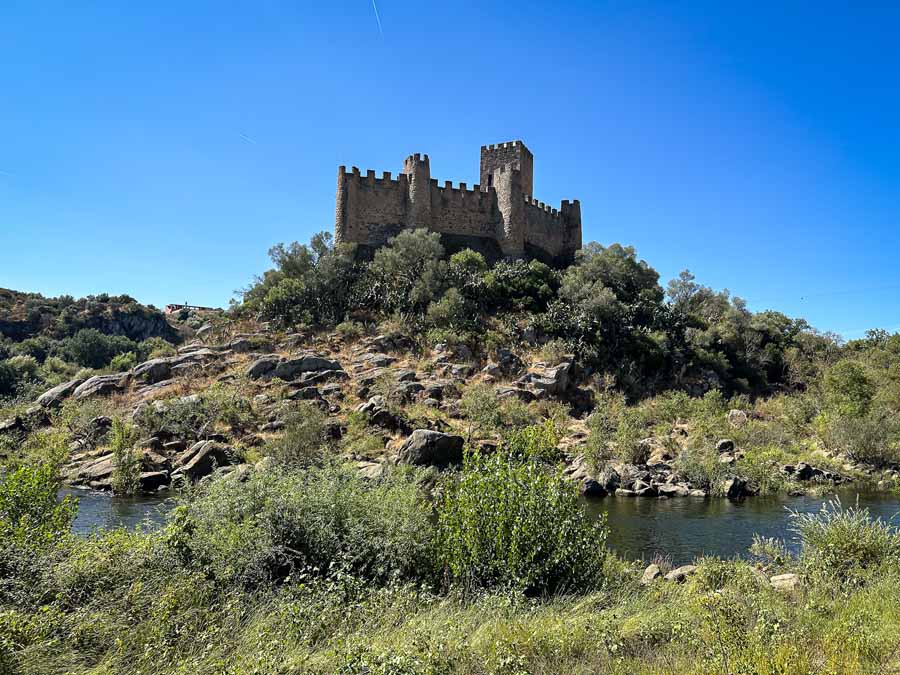
🚗 Marvão to Castelo de Almourol +/- 1 hour 30 minutes
If heading east, you’ll exit Alentejo and have the option to detour to Castelo de Almourol. This might be one of Portugal’s most scenic castles. It sits perched on a small island surrounded by the Tagus River. The Castle dates back to 1171, when it was built on the remains of Roman ruins. It was built under Gualdim Pais, who was a Grand Master of the Order of the Templars.
The only way to visit the Almourol Castle is by boat, so you’ll need to send in a reservation request here.
Even if you can’t visit the castle, it’s still worth it to drive down and snap some photos. There’s also a cafeteria with clean restrooms, food and drinks, and a terrace.
Where to Visit Next After Alentejo
After road tripping through the Alentejo region, there are a few different options on where to head to next.
If moving towards Almourol Castle, you’re more than likely staying in Portugal.
What to See Next in Portugal
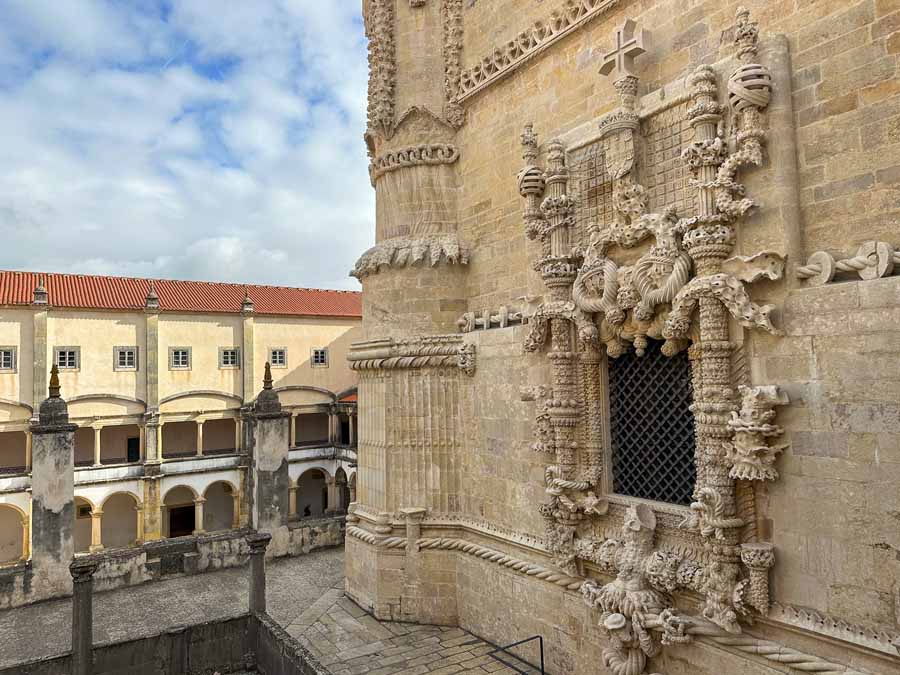
➤ Tomar is a fantastic village with deep connections to the Knights Templar. It has numerous museums, but its real prize is the Convento de Cristo with its Charola rotunda chapel and the exterior Manueline-style Chapter House window.
🚗 Marvão to Tomar +/- 1 hour 40 minutes
➤ Nazare is a great place to head to the coastline if leaving the Alentejo region. The route passes close by both the Almourol Castle and Tomar. Nazare was a sleepy fishing village, and now it’s one of the most famous places for surfers to catch Europe’s biggest waves. O Sítio is the upper part of the village, built on a cliff, while the lower town is more of a modern-day beach resort.
🚗 Marvão to Nazare +/- 2 hours 20 minutes
Cross Over to Spain
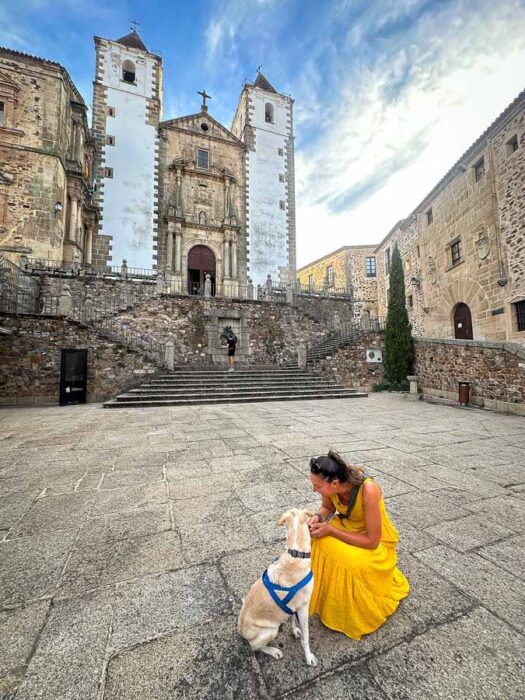
If heading east from Marvão, Spain is your next destination!
➤ Cáceres is one of Spain’s most beautiful villages and still off the main tourist radar. The Old Town is filled with historical monuments and makes for a great base to explore the Natural areas around the Tagus River. Caceres is an excellent place to see in the Extremadura region of Spain. It’s also only 2 hours to Salamanca or 2.5 hours to Toledo.
🚗 Marvão to Caceres +/- 1 hour 40 minutes
Why the Alentejo Region in Portugal is Worth Visiting

As you can see, the Alentejo region in Portugal is extremely special. It is a place steeped in traditions, and life moves a little slower here.
The tiny pueblos dot the rolling yellow plains of agriculture and oak, cork, and almond trees. Some of the villages tower on top of craggy mountainsides while others sit next to ancient sacred megalithic stones. From hilltop castles to delicious food and wine, the Alentejo region is worth visiting.
This area is a part of Portugal that feels untouched, unspoilt, and welcomes visitors who are curious to get off the beaten path.
A Taste of the Alentejo⎟ Detailed Alentejo Road Trip Itinerary
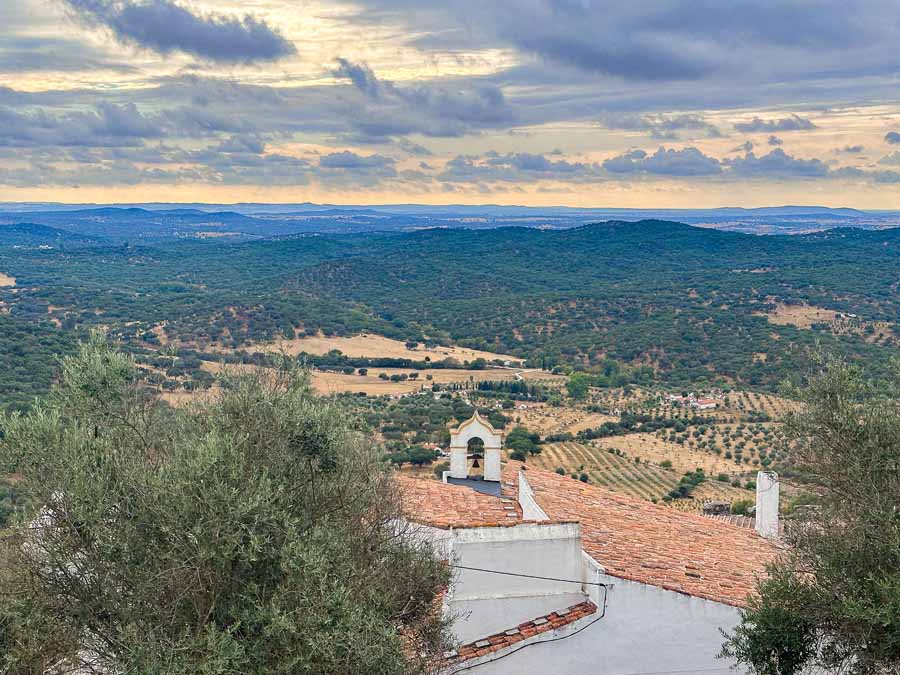
In short, this is an overview of some of my favorite places to see in the inland area of the Alentejo region. This massive region accounts for almost 1/3 of Portugal’s total mainland mass, and as it’s quite spread out, it’s best to rent a car to explore.
This Alentejo road trip includes tips to see the region, a diverse day-by-day itinerary, and what villages and activities there are to do.
Those who want to see an authentic side of Portugal where time seems to have stood still will love the Alentejo region. For me, it’s a place in Portugal that, after I leave, I already start to plan my next visit.
Have you road-tripped through the Alentejo region? I know this itinerary is already almost a week long, and there is still so much more that I’m missing! What place did you love in the Alentejo region? What place would you skip? Anything that needs updating? Let me know in the comments below!
Pack This Post for Later! Pin It!


Disclaimer: There’s a chance this post contains affiliate links, and I receive a small (but grateful) portion of the sale. There’s no extra cost to you, and I only promote things that I use and love.


