32 Landmarks in Peru | Famous & Unique Places to Visit
Peru is a rich and diverse country filled with incredible places to visit. The country is a treasure chest of natural beauty, manmade surprises, and ancient sites that are still puzzling archaeologists. There are famous and unique landmarks in Peru scattered across the entire country, from the sprawling coastline to the towering mountains, and tucked away in the jungle.
While Peru’s most iconic landmark is Machu Picchu, this is solely one gem that is found within the incredible country.
There are lost civilizations in the north that created impressive sites like Kuelap and Cumbemayo. Wander through metropolitan cities like Lima, or fall in love with the charming colonial city of Cusco, the once Imperial City of the Incas. Stroll the picturesque street of the “white city” of Arequipa, a city known for its unique typical cuisine.
Peru natural landmarks vary from mountains that seem to touch the sky, otherworldly landscapes, arid deserts, mighty rivers, towering waterfalls, deep canyons and so much more. Find relics left behind in the form of awe-inspiring ruins from the intriguing Inca civilization that created one of the most powerful dynasty in the world. Just keep in mind, the Incas were just one of many civilizations that called Peru home.
Among this list of landmarks in Peru, find some places you may have never even heard of. This list covers popular Peru tourist attractions with a mix of hidden gems.
So fall in love with the beautiful country of Peru, and try to visit these famous and unique landmarks in Peru.
Table of Contents
- Peru Landmarks in North of Peru
- Landmarks in Peru Near Lima & Beyond
- Landmarks in Peru Around Cusco and Nearby Valleys
- Peru Landmarks Near Arequipa
- Over 30 Landmarks in Peru You Need to Visit
Peru Landmarks in North Peru

The north of Peru is oftentimes overlooked, which is a shame because it is filled with natural and significant Peru landmarks.
✈ Peru Travel Planning | 5 Places to Add to Your North Peru Itinerary
Iquitos and the Amazon
Iquitos Peru is the ultimate gateway to discover the rich treasures of the Amazon jungle. The mighty Amazon River flows next to the port city. There are many things to do in Iquitos, from exploring the fauna and wildlife in one of the conservational areas and reserves. The nearby floating village of Belen and the market is a must. There’s chances to have close encounters with wildlife like monkeys, manatees, butterflies, and the famous pink dolphins.
Iquitos is also known as a spiritual hub to partake in the plant medicine of Ayahuasca. This sacred ceremony has been passed down from the local Indigenous tribes and will take you on an internal journey that pushes you past the limits of consciousness.
If looking to visit the Peruvian jungle and the iconic Amazon region, look no further than Iquitos.
Kuelap Archaeological Complex


Another historical landmark in Peru is the Kuelap Archaeological Complex, which is a recognized UNESECO World Heritage Site. This particular “lost city” was not build by the Incas, but rather a civilization that little is known about, the “Cloud Warriors,” or the Chachapoyas culture.
Kuelap is one of the most important lost cities that remains from this civilization. It is literally built in the cloud forest and sits just shy of 10,000 feet. It is believed that Kuelap was inhabited around 400 B.C. until the late 1400’s. During its prime, it is believed that over 3,000 inhabitants called Kuelpa their home.
The architecture and building type differs then any other culture found in the Andes or the nearby Amazon. The most impressive structure is “La Fortaleza,” or the fortress. Surprisingly, there are over 400 structures that are still partially standing around this area.
Today, Kuelap Archaeological Complex is considered one of the largest stone ruins of the “New World.”
Kuelap Archaeological Complex | Entrance Fee to Kuelap: 20 PEN ($5 USD) | Hours: 8:00 – 18:00 | Cable Car Round-Trip Ticket: 20 PEN, catch it from the village Tingo Nuevo
Chachapoyas is a special village and it’s best to discover both the Kuelap Fortress and the below Gocta Waterfall.
➜ Find the Best Places to Stay in Chachapoyas here.
Gocta Waterfall | Catarata Gocta


Another famous Peruvian landmark is the stunning Gocta Waterfall. The two tiered waterfall towers over 2,500 feet and is surrounded by the lush rainforest scenery. In fact, this magical waterfall is considered one of the tallest waterfalls in the entire world.
Intrepid hikers will love spending the day hiking to Gocta Falls. The most popular hiking route is from the village of Cocachimba, which twists you through a lovely trail and boasts multiple viewpoints. Ultimately, this trail leads to the bottom section of the falls. It takes around 2 hours to hike each way.
🥾 Hiking Guide | Cocachimba to Gocta Falls | Entrance Fee: 10 PEN ($2.50 USD) | Duration: 2 – 3 hours each way | There are multiple ways to reach Gocta Falls and plenty of hiking trails to explore
Gocta falls is becoming a popular natural landmark in Peru. With that comes places to sleep in Cocachimba that have incredible viewpoints of Gocta Waterfall.
➜ For complete luxury and a pool with a view, sleep at Gocta Andes Lodge in Cocachimba, or try for a cheaper option sleep at Gocta Miradors, but still stellar views.
Cumbemayo Archaeological Complex


A less known landmark of Peru lies near the historical city of Cajamarca is the peculiar Archaeological Complex of Cumbemayo that boasts an aqueduct. This water canal is almost perfectly carved into the volcanic stones. What will leave you scratching your head is that it is believed this area was inhibited before 1,500 B.C….. maybe even much earlier than that.
This site was home to a very advanced Pre-Inca civilization. Here, find diverse stone carvings etched into the rocks and some narrow caves. Pack a flashlight because, it’s possible to climb through the caves. A highlight is walking through the Los Frailones, or “the Friars,” which is the unique landscape of the stone forest.
Logistics | Entrance Fee to Cumbemayo: 8 PEN ($2 USD) | Hours: 9:00 – 17:00 | Average Tour Cost: 30 PEN ($7.50 USD) | Can hike from Cajamarca (+/- 4 hours each way)
This place is magical and it’s fascinating to ponder the ancient civilizations that have called Peru home thousands of years ago. They truly lived in harmony with the nature.
This archaeological park sits above the city of Cajamarca and can be visited independently or with a tour. Keep in mind, it may literally take your breath away. Cumbemayo sits at an altitude of almost 11,500 feet (3,500 m).
The Cumbemayo stone forest is a unique Peru landmark that is still almost unknown to most foreign tourists. Due to this, a majority of the tours are only in Spanish. Don’t let this deter you, Cumbemayo is unique and one of the most overlooked landmarks in Peru.
➜ Sleep in Cajamarca to experience the stone forest of Cumbemayo
Laguna 69

The most popular day trek in the picturesque Cordillera Blanca mountains has to be Laguna 69. This alpine lake is one of the most incredible natural landmarks in Peru. The bright turquoise lake is found in the picturesque Huascarán National Park. While Laguna 69 is probably the most famous landmark in the National Park, there are more worthwhile sites here like Laguna Paron, Laguna Churup, and the popular Santa Cruz Trek, with the standard route taking around 4 days to complete.
Laguna 69 and many of the above day hikes in Huascaran National Park are best done as day trips from Huaraz Peru.
➜ Find the best places to stay in Huaraz. Budget backpackers will love sleeping at Tony’s Eco Hostel where it’s even possible to camp on the lovely green space of the property
Laguna 69 is the perfect day hike in the Cordillera Blanca since the trail itself isn’t too challenging. However, the 4 mile out and back trail (8 in total) is a test due to the lake’s impressive altitude. The lake sits at over 15,000 feet, which is physically demanding, especially for those not quite acclimated yet.
The bright turquoise alpine lake is seriously incredible to gaze upon surrounded by snowy glacial peaks and small trickling waterfalls. The two hour hike each way is more than worth it. Along the route, look for bouncing chinchillas and grazing cows.
Laguna 69 is only one of the most iconic alpine lakes in Huascarán National Park.
Laguna 69 | Huascarán National Park 1 Day Fee: 30 PEN ($7.50 USD) | Catch an early morning collectivo from Yungay to the trailhead
Landmarks in Peru Near Lima & Beyond
There are many Lima Peru landmarks, but these are just a few within the limits of the metropolis. Also, find a few famous points of interest that are south of the city in the arid desert.
Lima Plaza de Armas


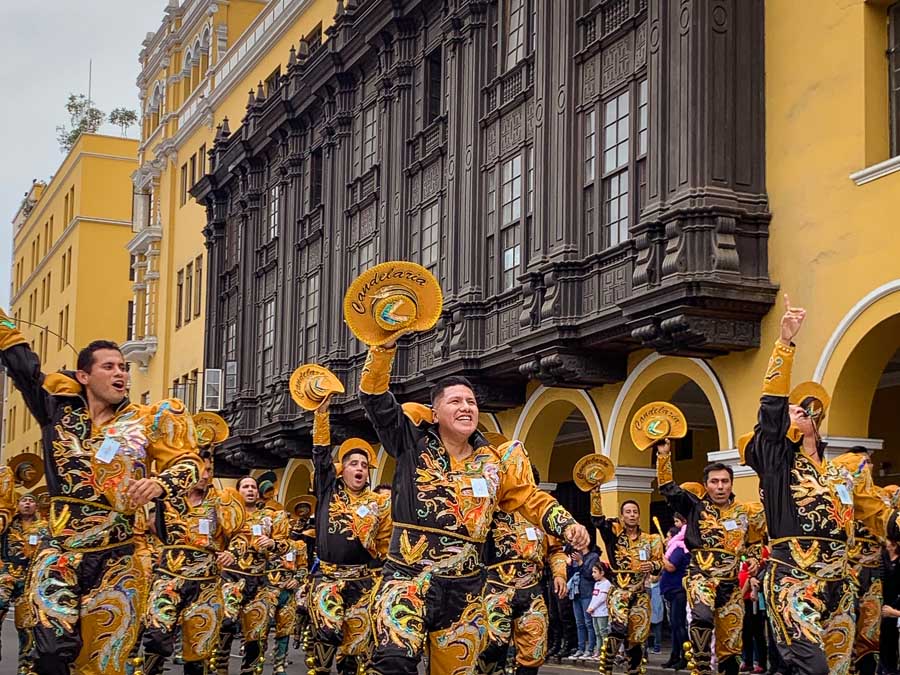
All travelers visiting Lima will at least stop by the large Plaza de Armas, the heart of the historic center of the city. Lima is also known as the City of the Kings, or “Ciudad de los Reyes,” and was maybe one of the most important cities after the Spanish conquest. Look around and it’s easy to see the Spanish influence and colonial buildings with ornate balconies and a towering cathedral. It’s rumored that main buildings in Lima were painted yellow to show and signify the city’s loyalty to the crown.
Within the Plaza de Armas in Lima it’s possible to witness the daily changing of the guards at 11:45 outside the Government Palace of Peru. The Lima Cathedral is of baroque style and showcases lots of religious works of art. On the corner, look for the intricate Archbishop’s Palace of Lima. If you’re lucky, catch a local celebration or parade passing by the living room of Lima.
Nearby, there’s the Piedra Bridge that crosses over the Rímac River. On this side of the river, witness the original construction of homes made of mud and sticks. The white and black signs indicate these homes are recognized by UNESCO for their authentic building materials. Look for Iglesia Virgen Del Rosario, which claims to be the smallest church in the entire world.
There are many worthwhile landmarks in Peru right in the Plaza de Armas of Lima.
San Francisco Convent and Basilica of Lima


A must-see Peru historical site within the city is the San Francisco Convent and Basilica of Lima. This Convent is home to Dominican Friars. It is required to wait for a guided tour to visit the Convent and Basilica. The building is incredible and is filled with history. A highlight is the beautiful library that almost transports you to Europe. This lovely room is home to over 20,000 books.
Notice the the church’s dramatic portrait of the Last Supper. Jesus and his disciples are eating cuy (guinea pig) and sipping on chicha (a fermented corn drink) to verify that he was in fact Peruvian.
A highlight of this fantastic tour is a trip down to the catacombs (tombs). It is believed that over 30,000 people were buried below this famous Peru landmark in Peru.
San Francisco Convent and Basilica of Lima | Guided Tours Required for Entrance, Tours available in English & Spanish | Duration: 1 hour | Standard Admission: 15 PEN ($3.75 USD)
Barranco Neighborhood

One of the best landmarks in Peru is a barrio, or neighborhood, in Lima. The Barranco neighborhood is a funky, hip, and very bohemian district outside the historic center of Lima. This is the place for artists, musicians, and innovative creatives of the city.
The best way to explore the neighborhood is via a free walking tour. A tour includes many points of interest, like the Bridge of Sighs, Municipal Barranco Park, and a quick low down on all the street art. This neighborhood was revived in 2015 by artists that came in to paint murals and “clean up the area.”
Today, it’s possible to eat in trendy culinary restaurants, sip a beer from a microbrew, and enjoy the many murals and art museums within the neighborhood.
➜ Barranco district is the perfect place to sleep and explore Lima
Miraflores

Miraflores district may be one of the biggest Peru tourist attractions in Lima. This is the neighborhood that tourists flock to and prefer to sleep in. Miraflores neighborhood has a nice walking path to the beach, Kennedy Park which is notorious for it’s cats and dreamy viewpoints like the romanticized Parque del Amor.
In Miraflores neighborhood there are no shortage of coffeeshops, restaurants, and bookstores. This is where you can find a majority of the big name hotels and hostels in Lima.
➜ Find the best places to stay in Miraflores district
Paracas National Reserve


Paracas National Reserve is south of Lima and is a unique natural landmark in Peru, where the desert meets the Pacific coast line. Some of the popular things to do here include a boat ride to Ballestas Islands National Reserve where it’s possible to observe wildlife from sea lions, penguins, and a wide variety of birds. There’s also an opportunity to visit the pristine desert beaches in Paracas National Reserve, like Playa La Mina.
A spectacular way to enjoy Paracas National Reserve is via a sunset hike. Appreciate breathtaking views while learning about the history of the Paracas culture, which was highly advanced and are known for their elongated skulls that were modified to show social status.
➜ In Paracas, Kokopelli Hostel has a pool with a tour desk that provides trips to the Paracas National Reserve
Huacachina


Huacachina is becoming one of the more popular landmarks in Peru, a “hidden” oasis in the middle of the Ica desert. The main highlight of Huacachina is by exploring the sand dunes via a sand-buggy. Take the plunge and go sand-boarding, too. Honestly, I went in with zero expectations and enjoyed zooming around the buggies close to sunset.
Huacachina is a great place to spend one day to break up the trip from Lima to either Cusco or Arequipa.
Nazca Lines
One of the most famous landmarks in Peru are the incredible Nazca lines. Designed by the Pre-Colombia civilization of Nazca, there are over 300 drawings etched into the desert and more being discovered as technology increases. Many of the geoglyphs are shaped in the form of animals, birds, plants, human forms, and insects. In 1994, these lines were named a UNESCO World Heritage Site.
There are many ways to appreciate these impressive wonders. There are viewpoints scattered along the road, or the best way to view the Nazca Lines is via a flight. The standard flight above the Nazca Lines takes about 35 minutes and costs around $80 USD.
The Nazca Lines might be one of the most mysterious landmarks in Peru.
Landmarks in Peru Around Cusco & Nearby Valleys

Cusco was once the heart of the Inca Empire. Today, it is the gateway to Peru’s famous landmarks like Machu Picchu and other sacred Inca sites. From stunning natural wonders, historical sites, and some famous buildings in Peru, don’t miss all the incredible landmarks in Peru around Cusco.
✈ Peru Travel Planning | Spend the Perfect Week in Cusco and the Sacred Valley
Cuzco the Imperial City

The city of Cusco is a must-visit landmark in Peru. The Imperial City of the Inca Empire is one of the most famous places in Peru. There are so many awesome things to do in Cusco Peru, so don’t simply skip past it on the way to Machu Picchu.
✈ Peru Travel Planning | 5 Unique Cusco Itineraries
Appreciate Cusco City, a fusion of old and new by walking along the cobblestone streets, savoring a mirador, visiting the bustling local markets, and sampling the delicious cuisine. These are some of the top food experiences to have in Cusco.
Within the city limits are incredible and fascinating megalithic landmarks, which are part of the city’s own Cusco Tourist Ticket.
➯ Detailed Peru Travel Guide | Visit the 16 Sites of the Cusco Tourist Ticket Without a Tour
If you love adventure, take a Cusco day hike that includes stops at free Inca sites in Cusco. Visit one of the informative museums, stroll through the very bohemian neighborhood of San Blas, or maybe climb up Cusco’s tallest peak, Cerro Picol.
Cusco has so many major landmarks in Peru within the city and lots to discover as Cusco day trips.
➜ Find the best places to stay in Cusco Peru
Qorikancha
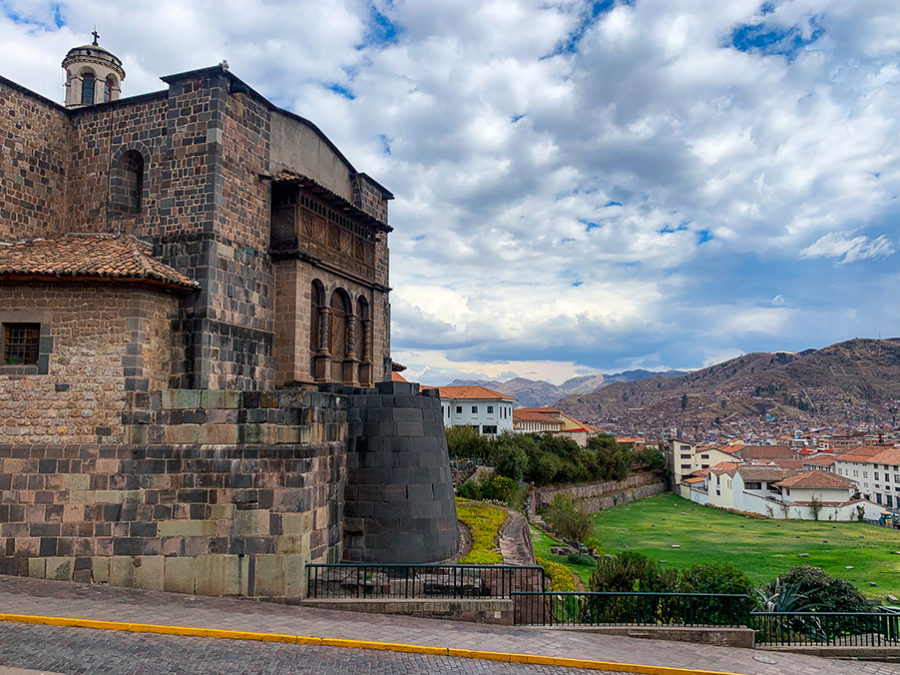
One of the more fascinating historical landmarks in Peru sits in the heart of Cusco, Qorikancha. In its prime, Qorikancha (Coricancha) was maybe the richest and most important Inca temple in the entire dynasty. The Quecha word of Qorikancha literally translates to “golden house,” This iconic temple of the Incas was a shrine to “Inti” or the Sun God. Inside, there was also a temple to honor the Moon, or “Killa,” the wife of the Sun.
It is believed that this entire temple was lined with gold. There were even rumors of a golden garden, where gold sculptures and figures could be found. When the Spaniards conquered Cusco, they melted down most of the gold relics and built a church in its place.
Today, this sacred site is home to The Convent of Santo Domingo. Nuns still occupy this space, which is built on top of the Inca ruins. Inside, find an informative museum with signboards in English.
There are rumors in the form of whispers that many of the valuables from the temples were hidden by the Incas and have not yet been found. Qorikancha is one of the more famous places to visit in Peru to see the actual fusion of Inca and Spanish architecture.
Qorikancha | Cost: 15 PEN ($3.75 USD) | Hours: Monday – Saturday 9:00 – 17:00, Sunday 14:00 – 17:00 | Find them here: Plazoleta de Santo Domingo, Cusco | Here’s the Official website
Saqsaywaman Archaeological Park

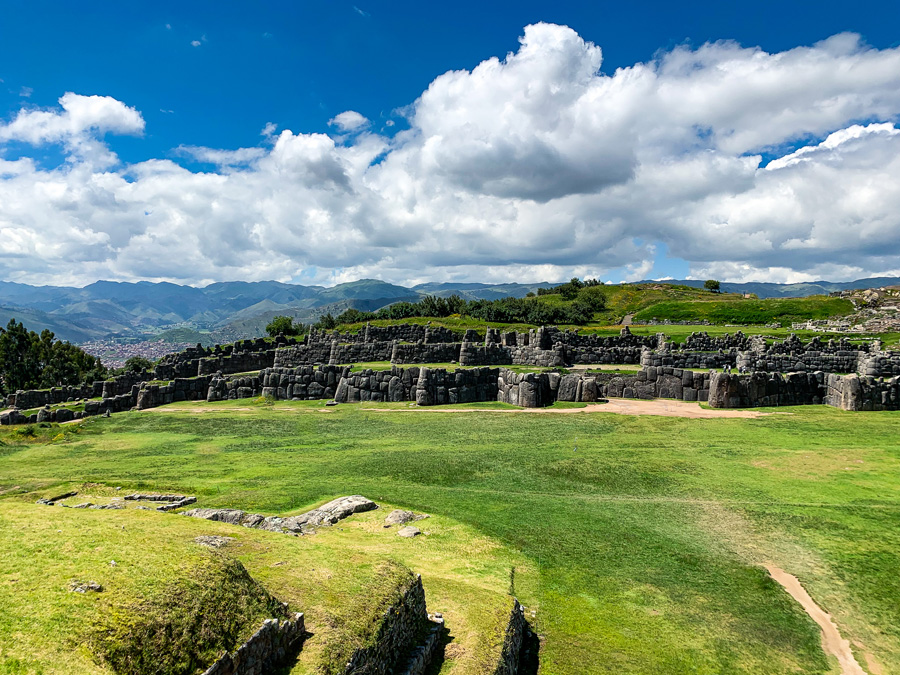

Outside of Machu Picchu, Saqsaywaman may be one of the top Peru tourist attractions in Cusco.
Saqsaywaman is by far the biggest, most popular, and maybe the most awe-inspiring site on Circuit I of the Cusco Tourist Ticket. Look no further if you want to see the massive building blocks that were the foundation of the Inca Empire. Some of these building blocks weigh around 100-200 tons! Wander above this sacred site to take in this incredible Inca building feat. Follow along the scenic trail to get a bird’s eye view of Cusco at over 12,000 feet.
Besides the main ruin site, don’t miss other sections of the park like Suchuna, where locals slide down the rocks and walk to the cross viewpoint, which offers sweeping views of Cusco city. There are oftentimes alpacas and sheep laying in the nearby fields.
It’s possible to visit this site as part of a guided tour or visit independently. Nearby, find the three Inca sites of Q’enqo, Puka Pukara, and Tambomachay, which again are part of the Cusco Tourist Ticket Circuit I.
Saqsaywaman Park Logistics | Hours: Daily 7:00 – 17:30 | Part of Circuit I of the Cusco Ticket 70 PEN ($17.75 USD) / Complete Ticket 130 PEN ($33 USD) | Tour guides available onsite, make sure to verify their information
Maukallacta Archaeological Park


One of the more unique places to visit in Peru is Maukallacta Archaeological Park. This is an easy day trip from Cusco and provides a chance to see the possible “birthplace of the Incas.” There are two legends of where the Incas came from. One states that they rose from the depths of Lake Titicaca, while the other and lesser-known myth says they emerged from the cave of Puma Orqo. This unique cave is found right before the site of Maukallacta.
☛ Peru Travel Tips | 35+ Inca Sites in Peru You Need to See
It is believed that Maukallacta was quite possibly the first Inca site ever built. Highlights include exploring the unique stone of Puma Orqo. Climb to the top to look for the decapitated Puma carved from stone. Walk over to Maukallacta and see the unusual sight of a set of three triple-hinged doors. Triple-hinged doors often symbolized a sacred space, and there are three here! Check out the grand staircase and Inca canals.
Maukallacta is still one of the more hidden landmarks in Peru and it can be reached without a tour. Take a taxi to the trailhead, or take public transportation to Yaurisque village and hike out and back to the Maukallacta Archaeological Site.
🥾 Maukallacta Hiking Guide | Out & Back Trail: Yaurisque Village to Maukallacta | Distance: 15.5 miles | Hiking Duration: +/- 7 hours | Download my free hiking map to Maukallacta and Puma Orqo here
Machu Picchu


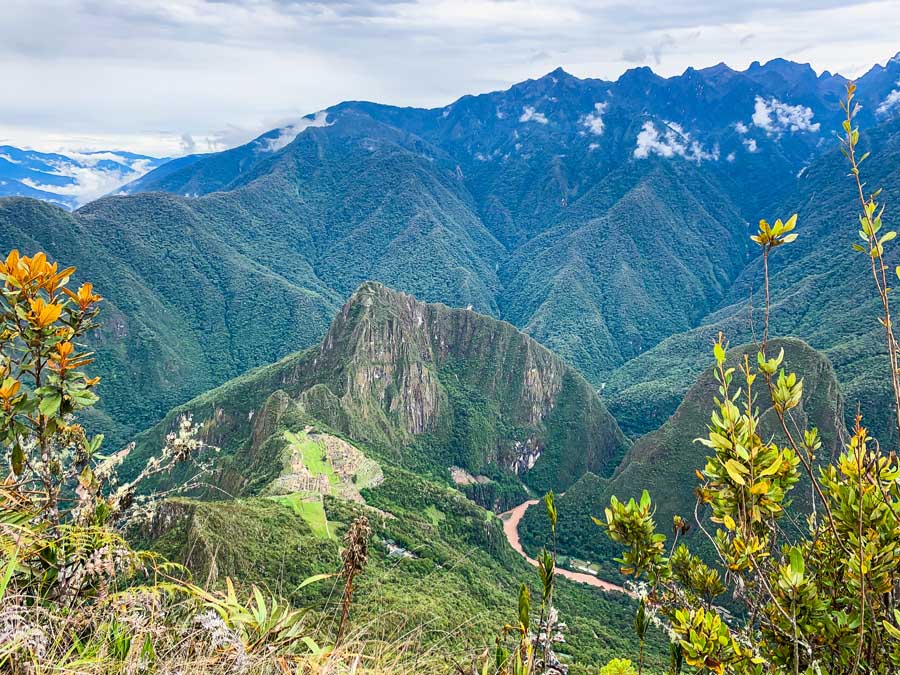
Finally, the most famous Peru landmark: Machu Picchu.
This is it, the “granddaddy” of sacred Inca sites in Peru, the one site tourist dream of reaching, getting lost in, marveling at, and of course taking photos at. The modern-day wonder of the World, the Lost City of Machu Picchu. It truly is dreamy… encircled by towering mountains, llamas roaming freely, stony terraces, and hiking trails that will leave you gasping from the altitude and the beauty.
Machu Picchu is the most famous landmark in Peru and should be visited at least once in your life. Even with all the hype and tourists, this is an unmissable site in Peru.
Machu Picchu Archaeological Park Logistics | Purchase tickets in advance online here | Daily Hours: 6:00-17:00, lower entrance gate opens at 5:00 | Standard Admission ticket: 235 PEN ($60 US) | To climb Huayna Picchu or Machu Picchu Mountain there is an additional fee | Admission ticket with Mountain trek: 306 PEN ($78 USD)
The sprawling archaeological park is huge and there’s lots to explore. It’s best to book your entrance ticket to Machu Picchu for early in the morning. An early morning ticket is essential for those looking to hike Huayna Picchu or Machu Picchu Mountain. Don’t miss wandering up to Inti Punku, the Sun Gate of Machu Picchu. This is where those arriving via the Classic Inca Trail will have their first glimpses of the Lost City.
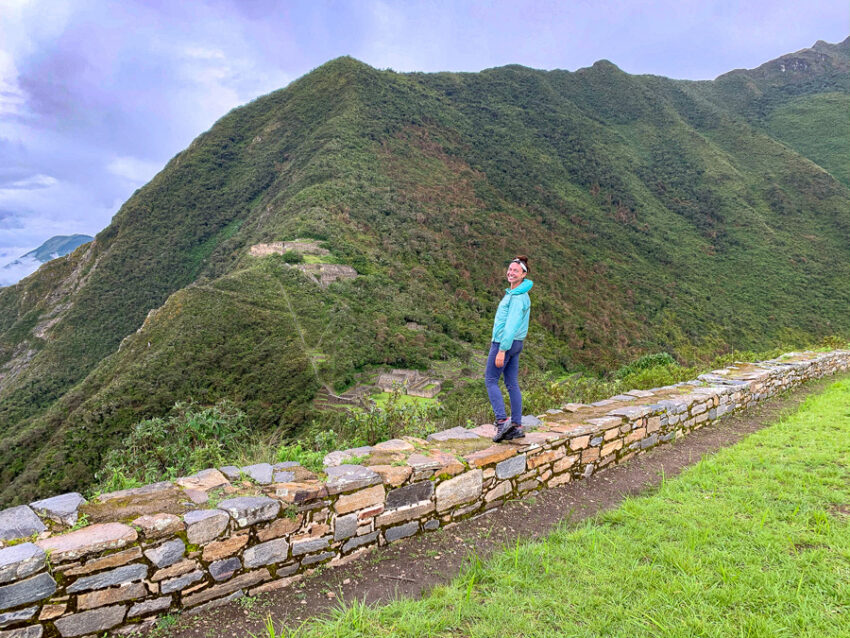
While the most popular trek to Machu Picchu is the Classic Inca Trail, it also requires a guide and permit. There are tons of alternative treks to Machu Picchu, like the Salkantay Trek, the “up and coming” Weaver’s Way that goes through the stunning Lares Valley, and the intrepid Choquequirao to Machu Picchu trek that takes about 9 days!

Literally, all roads and routes will lead to Aguas Calientes, the gateway village to Machu Picchu.
Ollantaytambo Village

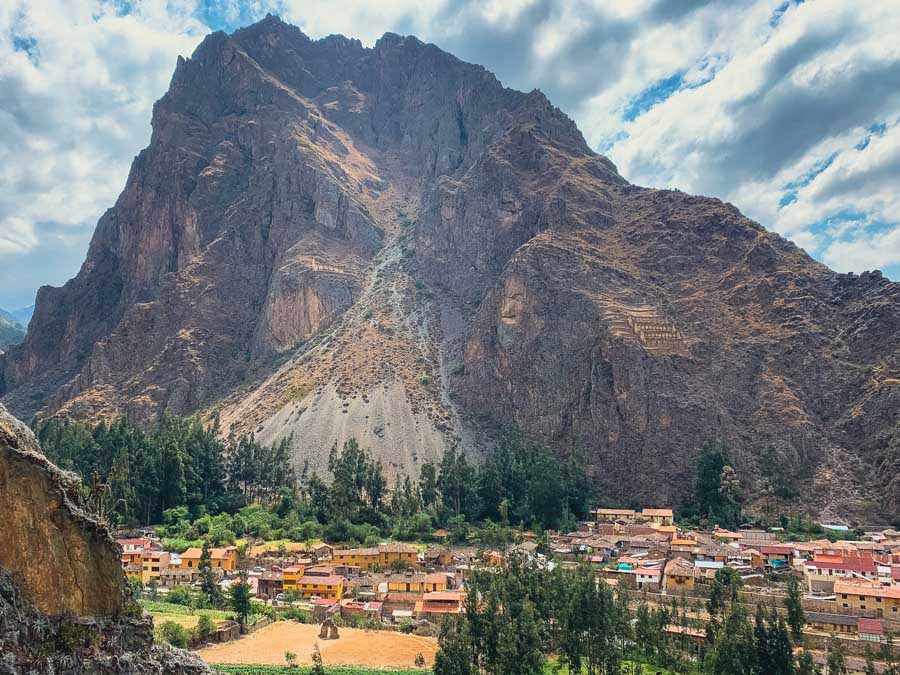

Almost all travelers will pass by Ollantaytambo village in Peru’s Sacred Valley, but few will appreciate the significant Peru landmarks found here. First, the village itself played an important role during the Spanish conquest. This fortified city acted as a stronghold for Inca Manco where he was able to defend against the Spaniards.
Today, the city holds incredible Inca sites like the main hilltop Archaeological Park of Ollantaytambo.
There are also many free Inca ruins to enjoy in Ollantaytambo from the popular hillside granaries of Pinkuylluna to the little-visited, but very tranquil Quellorakay ruins. This free site looks out over the Urubamba River and is a perfect place to catch a sunset. The Choqana ruins sit along the rive across the Orange Inca Bridge. This small site can be included in a peaceful walk to Pachar. Wander the cobblestone streets, enjoy the lovely Plaza de Armas, visit the market, and eat at one of the many restaurants.
➯ Peru Travel Guide | The Best Things to Do in Ollantaytambo Peru
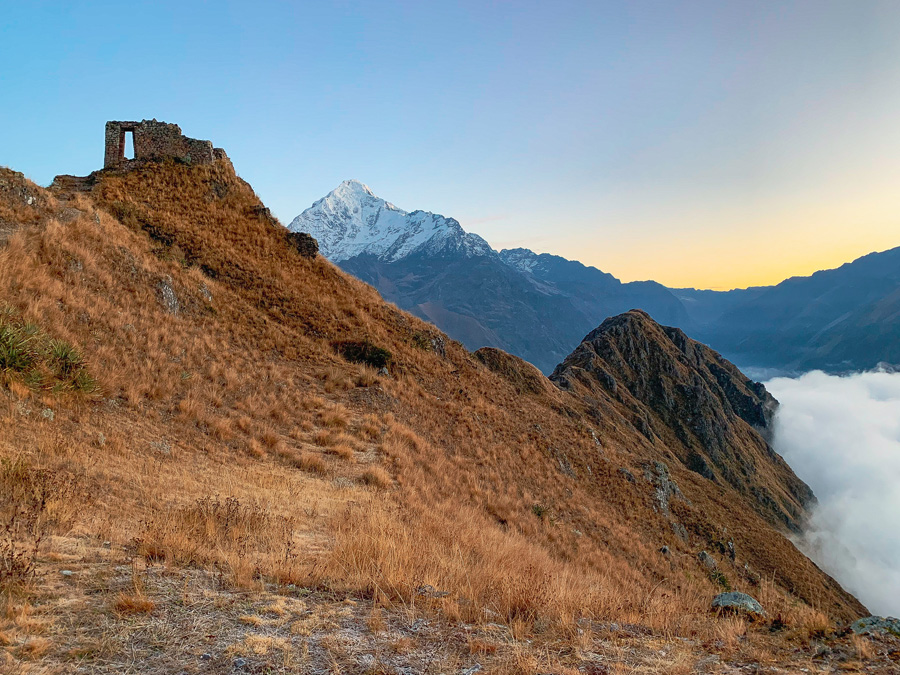
While many people simply come to Ollantaytambo to start the Classic Inca trail or catch a train to Machu Picchu, there are even more hidden gem sites in Ollantaytambo.
Some of the best hikes in the Sacred Valley are right in Ollantaytambo!
Take a climb up to Inti Punku, the incredible Sun Gate of Ollantaytambo. This epic trail follows along the Old Inca Quarry trails where you pass by massive stone quarries. Also, hike to the Pumamarca ruins, which were originally built by the Wari civilization and merged into the Inca Empire. This fascinating site is said to resemble the shape of a puma and was used as a fortress by the Incas during the Spanish conquest.
Ollantaytambo Peru is a charming little village with so many hikes, and ancient sites, and is just so stinkin’ cute. The Sacred Valley is worth visiting, so why not spend a few days discovering all the awesome things to do in Ollantaytambo?
➜ Find the best places where to stay in Ollantaytambo. For a budget, clean, and awesome space run by a local family, try Casa Quechua Hostel Camping. For a unique homestay, sleep at El Albergue Ollantaytambo.
Moray Archaeological Park
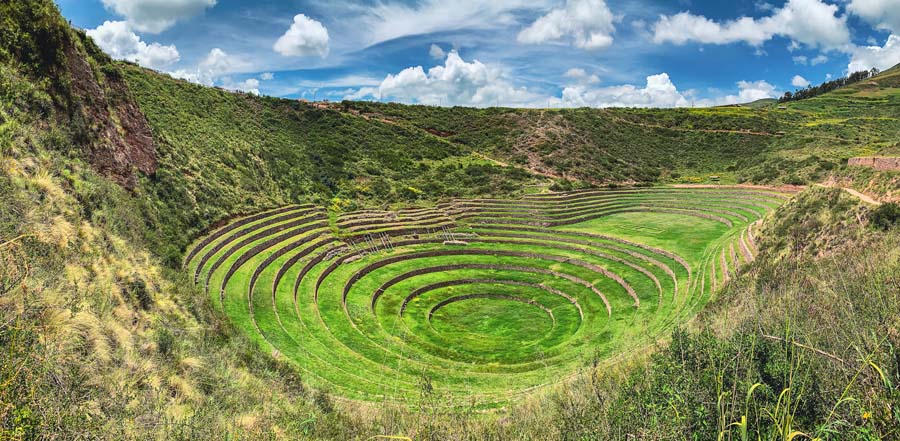
Another famous Inca landmark in Peru lies in the incredible Sacred Valley of Peru, Moray Archaeological Park. These peculiar Inca terraces are circular and are believed to have been used for agricultural experiments. There is no other Inca site or landmarks in Peru that resemble these peculiar ruins.
The Moray Inca ruins are part of the Cusco Tourist Ticket. Either purchase the Circuit III Ticket or the Complete Ticket.
Moray Archaeological Park Logistics | Admission Fee: Circuit III of the Boleto Turistico Cusco / 70 PEN ($17.75 USD), valid 2 days / 130 PEN ($33 USD), valid 10 days | Daily Hours: 7:00 – 17:00 | Duration at site: Moray Inca ruins warrants at least 1.5 hours to explore | Tour Guides are available on-site for an additional fee. Validate they have the correct documentation.
While most people visit one of the most popular Peru points of interest via a tour, it’s possible to hike to the Moray Inca ruins. One of the best and cheapest ways to visit is by first taking the hike to the popular Maras Salt Mines. This trail begins from the hamlet of Media Luna. Visit the Maras Salt Ponds and then continue to the village of Maras. Finally, take the well-marked trail to the Moray Archaeological Park.
🥾 Hiking Guide | Maras Salt Mines to Moray Inca Ruins | Distance: 5.75 miles | Duration: 2 – 3 hours | Hiking map from Media Luna to Moray Inca Ruins
Upon arrival, this landmark of Peru takes about 1 – 2 hours to visit. Make sure to take the well-marked self-guided walking tour past all three unique circular terraces.
☛ Peru Travel Tip | Urubamba Peru is centrally located in the Sacred Valley and is an ideal place to stay and base when exploring the region. It’s smack dab in the middle of the Sacred Valley between Ollantaytambo and Pisac
Choquequirao Archaeological Park

One of the best-hidden gem landmarks in Peru lies in another “lost city,” one that few travelers take the hike to reach, Choquequirao. The Choquequirao Archaeological Park sees less than 20 travelers a day and is a two day trek from the village of Cachora.

Make sure to purchase the entrance ticket to Choquequirao from the village of Capuliyoc. There is a small gatekeeper you can register with and purchase the ticket. If you arrive before the gatekeeper, pay along the route or upon arrival to the Choquequirao ruins.
Choquequirao Archaeological Park Logistics | Purchase tickets and register in Capuliyoc | Daily Hours: 8:00 – 16:00 | Admission ticket: 60 PEN ($15 USD) | The ticket is punched onsite and allows access to the Choquequirao trek
Those distant first glimpses of Choquequirao Archaeological Park also have a melancholiness of how Hiram Bingham must have felt the first time he laid his eyes upon the Machu Picchu ruins in 1911. Empty, untouched, a dash of curiosity, and a whole lot of excitement to explore.
This site is pretty massive, so it’s easy to spend more than one day here. Things to see at Choquequirao include the Plaza Principal, Pikiwasi, House of the Priest, and Usnu. The views from Usnu are some of the best views of the entire park. Don’t forget to check out the stunning Llama terraces or The House of the Waterfall ruins.

From Choquequirao, it’s possible to trek all the way to Machu Picchu. Along the way pass by the stunning Abra Choquequirao, a pass that boasts some of the best aerial views of Choquequirao. The trail will continue to the terraces of Pinchaunuyoc, through the authentic villages of Yanama and Totora, and meets up with the popular Salkantay Trail.
This hidden Inca landmark in Peru is incredible and a must-visit destination in Peru. There are talks of a cable car being built, which will make this site easily accessible to everyone. Get here before the crowds of tourists find out about one of the most magical landmarks in Peru.
🥾 Best Cusco Multi-Day Treks & Trekking Tips
Rumicolca Gate

While it might appear as nothing out of the ordinary, the Rumicolca Gate is one of the most significant landmarks in Peru. Found in the Cusco South Valley, and only a five-minute walk from the main entrance of the Pikillaqcta Archaeological Park is the roadside Rumicolca Gate. There are many beautiful legends surrounding this site, but it is believed that this was the grand entrance gate to the mighty Imperial City of Cuzco.
Could you imagine traveling from the south along one of the many Inca Roads of the Qhapaq Ñan system and finally reaching this once grand gate?
The Rumicolca Gate may appear small, but let your mind drift back to the powerful symbolism of this place during the Inca Empire. A gateway to one of the most advanced and powerful civilizations in the “ancient world.”
The Rumicolca Gate is part of the Complete Cusco Tourist Ticket or Circuit II. Nearby, don’t miss the other included sites of Circuit II, Tipon, and Pikillacta. Tipon focuses on all aspects of water with terraces and a ceremonial fountain, while Pikillacta is the only Wari (Pre-Inca) site on the entire ticket.
Saint Peter the Apostle of Andahuaylillas
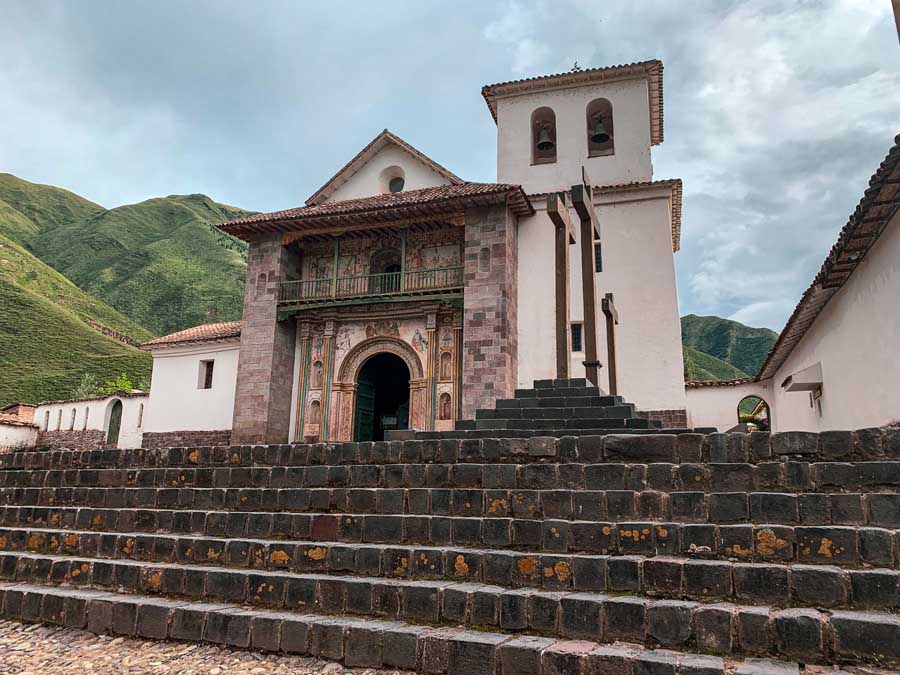
The Church of Saint Peter the Apostle in the tiny village of Andahuaylillas is another worthwhile and not as well-known landmarks in Peru. While the church may appear to be nothing special on the exterior, step inside and see why this church is called the “Sistine Chapel of the Americas.” Lavishly decorated, don’t forget to look up and see the painted ceiling.
This church is part of the Ruta del Barroco Andino, which includes four churches along this pilgrimage route. Each church showcases something a little different. The Saint Peter the Apostle of Andahuaylillas entrance ticket also includes the neighboring religious sites of Huaro and Canincunca.
Ruta del Barroco Andino Ticket Logistics | Includes three sites: Andahuaylillas, Huaro & Canincunca | Admission Fee: 15 PEN ($3.75 USD), valid for 1 day | Andahuaylillas Church Daily Hours: 7:30 – 17:30 | Be mindful of the time, each church has different closing times | Official Website for Ruta del Barroco Andino
Rainbow Mountain


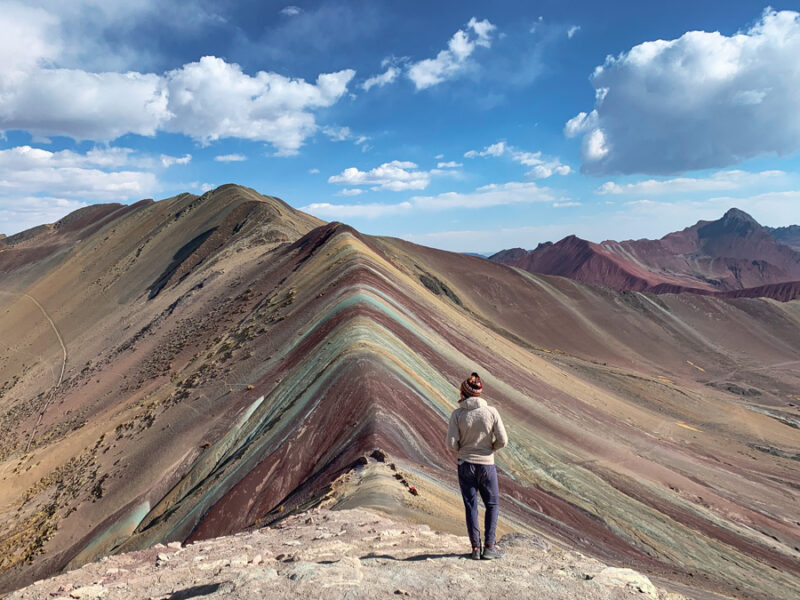
One of the most iconic landmarks in Peru has to be Rainbow Mountain or Vinicunca, its Quechua name. This mountain is called Rainbow Mountain since the rich minerals have left behind minerals in the soil that boats bright colors.
Honestly, Rainbow Mountain is worth the hype and it can be done as a day trip from Cusco. The highest lookout point stands at a towering 16,522 ft. Nearby, don’t miss the Red Valley, which looks like an otherworldly scene from Mars and has a separate admission ticket. Adventurous hikers can include this beautiful location as a day trek along the Ausangate trek route.
Vinicunca | Standard Admission Ticket: 10 PEN ($2.50 USD)
These two sites are two of the most jaw-dropping Peru natural landmarks.
Apu Ausangate

Ausangate Mountain looms in the backdrop of the Cusco skyline. This mountain was once regarded as one of the most powerful Apus, or mountain Gods of the Indigenous people. The best way to experience and visit this incredible mountain is by taking a trek around the mountain itself.
The Ausangate trek can be completed in 5 days, but I highly suggest the 6 day Ausangate trek which includes a visit to the picturesque Rainbow Mountain. This multi-day hike is considered one of the most beautiful treks in the World and passes by stunning alpine lakes, glacier-peaked mountains, otherworldly scenery, and tons of alpaca.

The most common route starts in the village of Tinki. Continue to Upis, where there is a chance to soak in some hot springs. Camp along the glistening alpine lakes, stop at Rainbow Mountain, visit the unique Red Lake, and finally come into Pacchanta. This incredible hiking trail in Peru never dips below 4,000 meters.
Waqrapukara Archaeological Park

One of the most unique places to visit in Peru might just be Waqrapukara. The Waqrapukara Archaeological Park is a full day hike from Cusco, but it’s best to enjoy it as a two day trek.
Waqrapukara literally translates to the “horned fortress.” This incredible Inca site sits at almost double the elevation of Machu Picchu and is completely free to visit. Climb up the fortress to have breathtaking views of the Apurímac Valley. It is believed that this site once belonged to the Pre-Colombian Qanchi tribe. Some whispers say that the original ruins could have first been built around 1,500 B.C. before being integrated into the Inca Empire.

Today, wander through the Waqrapukara ruins, which includes Inca terraces, hidden caves, and stunning miradors. Along the hiking trail, look for the ancient paintings left behind by civilization long before the Incas.

It’s possible to camp at one of the most underrated landmarks in Peru for free! The campsite includes basic facilities, access to water (bring a filter), and a garbage drop.
Lake Titicaca
Finally, one of the most iconic natural landmarks in Peru actually shares a border with Bolivia, Lake Titicaca. This is the largest lake in South America and is often famed for being the “highest navigable lake in the world.”
This lake has always been sacred to the Incas, since it is home to one of the first legends of where the Incas came from. One of the most powerful myths states that the first Incas, Inca Manco Capac and Mama Ocllo, his wife, rose up from the depths of Lake Titicaca. There are also underwater ruins here that may belong to the Tiwanaku people, an Indigenous group that called Bolivia home.
Today, it’s possible to visit many of the “floating islands” on the lake that are manmade. The best way to experience Lake Titicaca is with an authentic homestay with locals.
Peru Landmarks Near Arequipa
Arequipa is Peru’s “second city” and has some incredible landmarks in Peru both in the “white city” and the nearby natural wonder of the Colca Canyon.
The White City of Arequipa
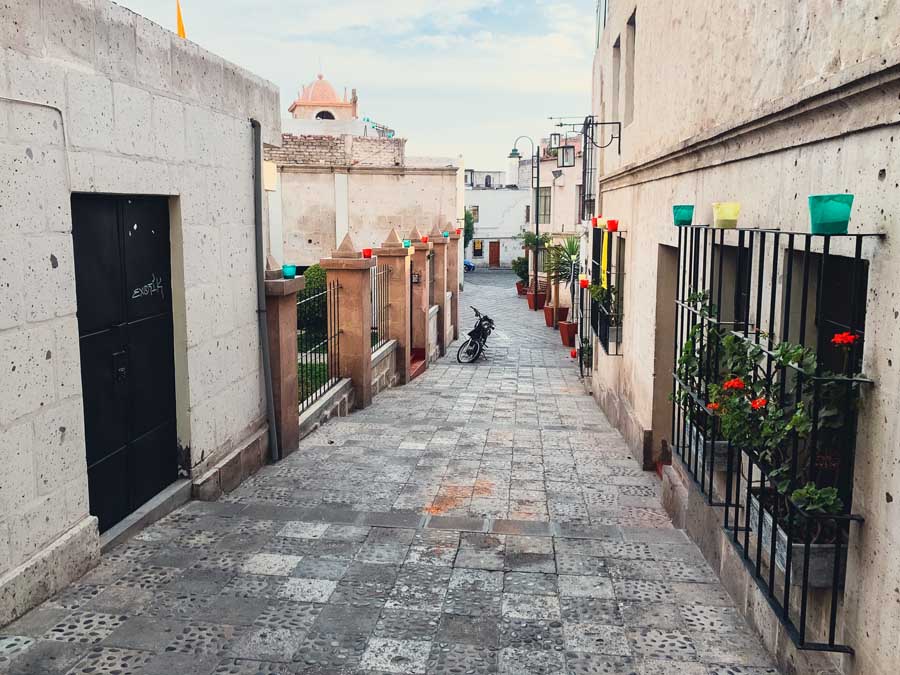

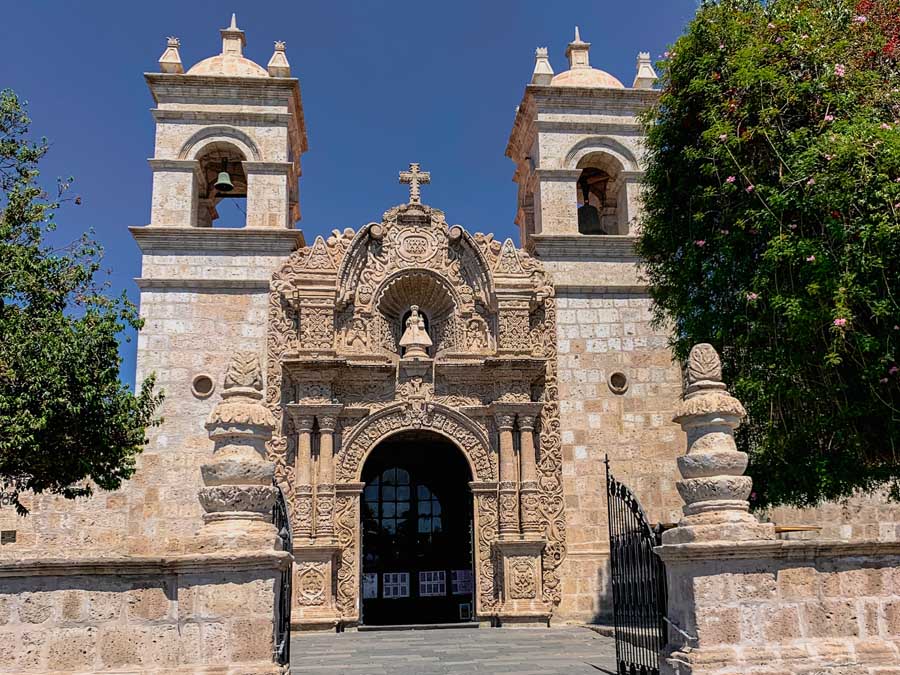
The historic center of Arequipa Peru is a UNESCO World Heritage Site that is built from the unique sillar stones from the nearby towering volcanoes. There are so many awesome things to do in Arequipa. Arequipa is a delight to explore and has many charming neighborhoods, bustling districts, inviting cobblestone streets, a colorful monastery, and some interesting museums. Don’t forget that this region boasts its own special typical cuisine.
Arequipa is most known for its unique dishes, which are a fusion of the cooking techniques of the Inca and Spanish cuisine. Believe it or not, Arequipa has over 500 typical dishes that originated in the Arequipa region. Today, sample these heaping plates of food in a bustling Picanteria. Arequipa also has a very modern food scene with microbreweries, coffee shops, and cafes.
Arequipa is home to some of the most top-rated Peru tourist attractions and is sadly overlooked!
➜ Find the best places to stay in Arequipa Peru. There are popular hostels like Selina, or opt for my favorite place to sleep in Arequipa is Way Kap Hostel
Canteras de Sillar Añashuayco


Speaking of the white city made of sillar volcanic stones, it’s possible to see where they quarried the stones that make up the historic city center.
Along the Route of Sillar you’ll get a chance to see some sculptures that are made from the stones. This is one of the newer landmarks in Peru to visit. These “mines” were opened in 2016 to tourists. The easiest way to reach the sillar mines is via a tour, but it’s possible to visit independently, too.
Canteras de Sillar Añashuayco | Entrance Fee: 5 PEN ($1.25 USD) | There are certain areas of the Ruta de Sillar that have an additional fee to visit and photograph | Hours: Daily, 9:00 – 17:00
Santa Catalina Monastery


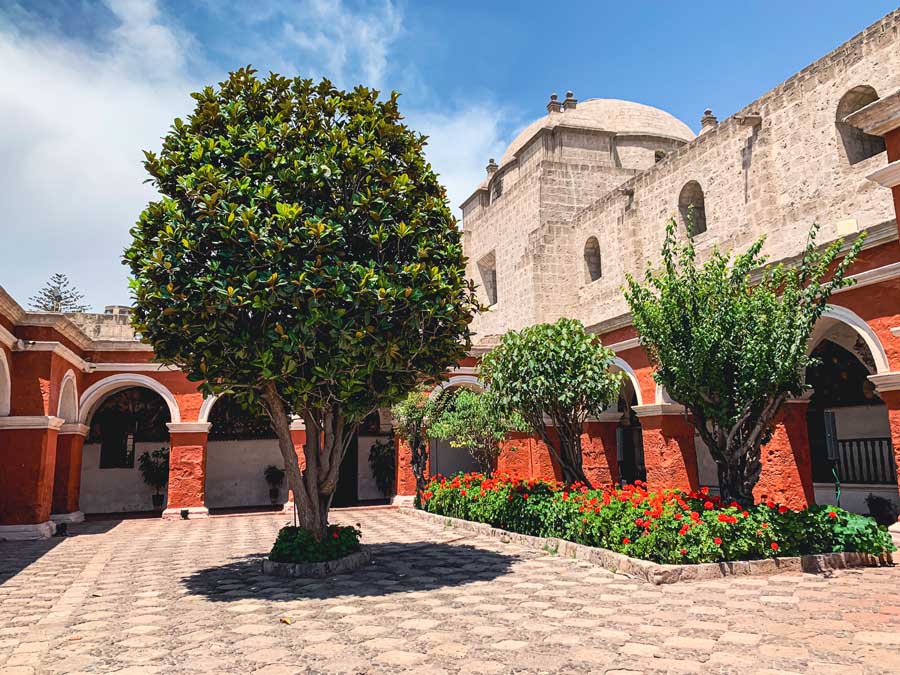
The most iconic landmark in Peru in the city of Arequipa is the Santa Catalina Monastery. This convent of nuns has been in existence since 1579, but finally opened its doors for visitors in 1970. Walk around the perfectly manicured courtyards and brightly colored streets. Visiting this monastery is like exploring a miniature city within a city.
There are multiple courtyards splashed in red, blue, and white paint. Look for the street signs while casually strolling about. It’s easy to spend hours just soaking in the perfectly landscaped gardens, views, and the art. The grounds are absolutely fabulous, but there is a dark past of the monastery.
Santa Catalina Monastery | Standard Admission: 40 PEN ($10 USD) | Purchase a tour on site for an additional 20 PEN ($5 USD) | Hours: Daily, 9:00 – 18:00
This monastery was built for the Spanish by the Incas. It is a common theme that will be mentioned and can physically be seen throughout all of Arequipa. These nuns, or for better terms, their families, paid large fees to live their life dedicated to God in solitude. Back in the 1580’s, when it first open, families paid 2,000 gold and 2,000 silver coins for their first daughter to join the convent. Today’s equivalent of that is around $150,000! Unfortunately, many of the Incas were forced to give up their beliefs and customs to serve the wealthy nuns of the Santa Catalina Monastery, a sad reality of the forced colonization.
This is one of the more expensive landmarks in Peru to visit, but in my opinion, it’s worth it.
Misti Volcano

One of the most famous natural landmarks of Peru in Arequipa is the towering Misti Volcano. Picturesquely nestled in the backdrop of Arequipa, this staggering volcano clocks in at an altitude of 19,101 feet.
Adventurous hikers will love to reach the summit. It’s usually a two-day trek and a guide comes highly recommended. Many companies offer tours from the city of Arequipa.
However, maybe one of the best places to appreciate the Misti Volcano is from the Mirador of Yanahuara. This cute viewpoint has a cute park, an interesting church, and a spectacular view of one of Arequipa’s photographed volcanoes.
Colca Canyon

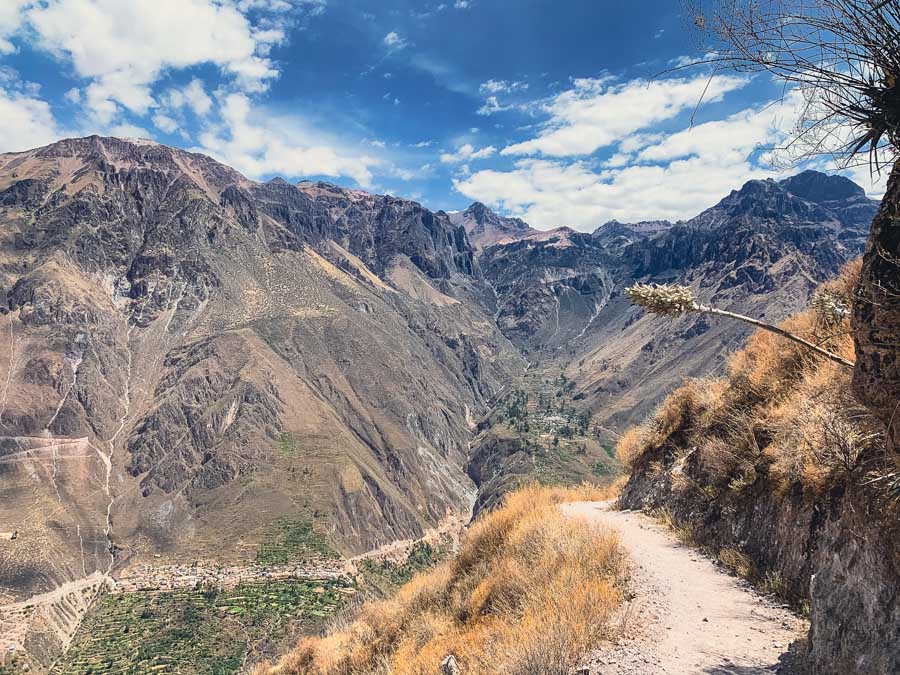
One of the most popular trips from Arequipa is to the stunning Colca Canyon. This canyon is actually the World’s second-deepest canyon and one of the most famous natural landmarks in Peru.
Many people choose to experience the steep canyon via a multi-day Colca Canyon trek. This worthwhile adventure twists through the unique desert landscape. The most common Colca Canyon trekking routes include a night at the unique Oasis village of Sangalle.

Many Colca Canyon tours include popular stopping points like the Cruz de Condor, a viewpoint that showcases the mighty birds flying through the Canyon and the hot springs found in Llahuar village. The ticketed area of the Colca Canyon is right after the small village of Pinchollo and continues to the village of Cabanaconde.
Colca Canyon Admission ticket | Cost: 70 PEN ($17.75 USD) | Valid: 5 days | Purchase the ticket at many of the popular Colca Canyon Attractions

For those looking to experience a little more off the beaten path place outside the ticketed area of the Colca Canyon should visit Yanque Peru. This charming village offers a ton of unique experience. Take a scenic alternative Colca Canyon day hike to Coporaque village, wander through the Pre-Inca site of Uyo-Uyo, explore nearby village like Lari, climb the Chimba Fortress, and soak in the curative waters of the Yanque hot springs. Yanque Peru is a hidden gem to dive deep into the Colca Canyon.
➜ Browse the best Yanque hotels, guesthouses, and hostels
Over 30 Landmarks in Peru You Need to Visit
From stunning nature, ancient sites, towering mountains, to colonial cities, there are so many diverse and worthwhile landmarks in Peru to add to your bucket list! The most famous landmarks in Peru include Machu Picchu, cities like Lima and Cusco, and the puzzling Nazca Lines, but there are hidden gems that are just as worthwhile to add to diversify your Peru Itinerary.
While this is just a brief overview of top landmarks in Peru, the country is so rich and unique. The history and diverse cultures of Peru make it easy to add many more treasures to a never ending bucket-list.
Have you visited any of these above landmarks in Peru? Are there some items on this Peru landmarks list that you haven’t heard of? Are there landmarks in Peru that you loved, but aren’t on this ultimate landmarks in Peru list? Let me know in the comments below!



Disclaimer: There’s a chance this post contains affiliate links, and I receive a small (but grateful) portion of the sale. There’s no extra cost to you, and I only promote things that I use and love.


Some very worthy stops in Peru, and some wonderful, lesser-know gems you included! There are so many more to know, though — as you said it is a large and very diverse country!
Thank you. Yes! This list could be endless 😉
I love this guide! Peru has been on my bucket list for a long time, so I’ll be saving this for when I plan my trip there.
Thanks! Enjoy your trip 🎒
This is amazing! So many beautiful places!
Thanks Shannon! Writing this one made me want to go back 🤗
Peru has been one of my biggest wishes for such a long time. Hope I get to go soon!
Amazing! It will not disappoint ❤️
Wow, it is so nice to see the amazing cultural and natural diversity of Peru outside of the Rainbow Mountain and Machu Picchu! I love UNESCO sites and would enjoy seeing some of the alternative sites like Kuelap Archaeological Complex. Plus Paracas national reserve looks breathtaking. I would love to do some slow traveling in the region in the future! Definitely saving this for when I get the chance!
Yes! Peru is perfect for slow travel ❤️
This is awesome information! I’ve bookmarked this blog post right away as I’m visiting Northern Peru in 2023. It really is underrated!!
Oh that is fantastic! I can’t wait to get back to North Peru and do some of the multi-day treks that are so overlooked 🥾
Oh my this blog came across my eyes at the PERFECT time because I am going to try and book a Peru trip with my brother for this year! Thank you for the meticulous details. I’m so excited to share this with him!
Fantastic!! I absolutely loved Peru and how exciting that you get to share it with your brother. Have a fabulous trip 🎒