
Camino de Invierno Planning Guide & Tips for Walking the Spectacular Winter Way
The Camino de Invierno is a divergent option off the Camino Frances in the city of Ponferrada in the El Bierzo region of the province of León. With its beauty and little-trekked paths, it can also be a great Camino route for pilgrims seeking more solitude and reflection.
The Camino de Invierno is said to be the most Galician Camino de Santiago route. This is the only Camino de Santiago route to pass through all four provinces of Galicia: A Coruña, Lugo, Pontevedra, and Ourense. If you are looking to see some of the best and most beautiful places in Galicia, then the Camino de Invierno is a perfect route option.
The route is also referred to as the Winter Way as its origin was to help pilgrims avoid the higher mountains entering Galicia via the French Way. While the route was to help avoid the high mountains there are still plenty of challenging ascents and descents.
That being said, the Camino de Invierno won’t be for every type of pilgrim. There are fewer services and facilities on the Camino de Invierno than on other more popular Camino de Santiago routes, resulting in some longer days and stages.
As the route is gaining popularity, more albergues are opening to help alleviate longer stages. The Winter Way rewards pilgrims with a sense of adventure a quiet and reflective path with stunning beauty, and truly authentic experiences.
The final stages of the Camino de Invierno merge with the Camino Sanabrés and lead pilgrims to the infamous Santiago de Compostela.

This is a Camino de Invierno guide for those planning to walk the Camino de Invierno.
Find useful tips for the Camino de Invierno, a quick comparison of the Winter Way vs the Camino Frances, planning tools, and resources. Additionally, find helpful charts for the typical Camino de Invierno stages and budget logistics.
Here’s a quick guide to the Camino de Invierno and all my tips for walking this underrated route.
Table of Contents
- Camino de Invierno vs the Camino France from Ponferrada
- Camino de Invierno Planning Tips & Tidbits
- Useful Planning Tools & Resources for the Camino de Invierno
- Camino de Invierno Tips for Starting in Ponferrada Spain
- General Camino de Invierno Stages for Planning
- Highlights of the Camino de Invierno
- Camino de Invierno Budget
- Conclusion | A Useful Planning Guide to the Camino de Invierno
Camino de Invierno vs. Camino Frances Routes from Ponferrada
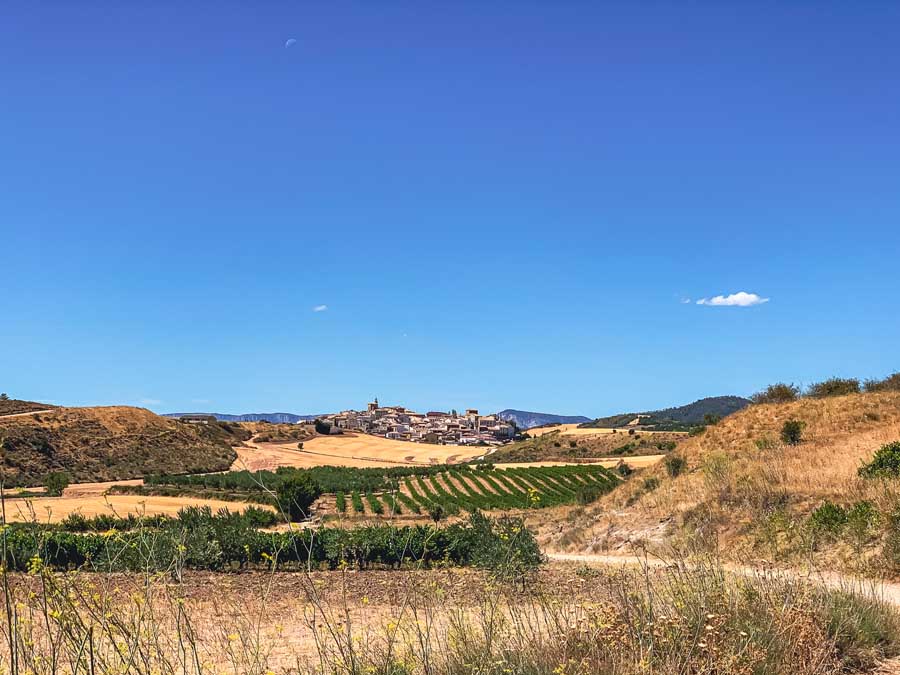

By far the most popular route to Santiago de Compostela is the Camino Frances, a route that begins in Saint-Jean-Pied-de-Port France, crosses the Pyrenees Mountains, and continues to some of Spain’s most historical cities and unforgettable villages. Pilgrims walking the Camino Frances make up well over 50% of the total pilgrims arriving in Santiago de Compostela.
What’s amazing about the Winter Way is that very few pilgrims choose this intrepid Camino route. Less than .5% of the total pilgrims who collect their Compostela in Santiago walk the Camino de Invierno.
Pilgrims who walk to Ponferrada via the French Way can choose to take the divergent route of the Camino de Invierno to Santiago de Compostela. On the other hand, pilgrims can start their Camino journey from Ponferrada on the spectacular Camino de Invierno route.
From Ponferrada to Santiago via the Camino de Invierno, the way is longer than the standard Camino Frances route. The Winter Way diverts south of the French Way and twists along the River Sil and other stunning Galicia river valleys.
This is a quick comparison of the Camino de Invierno vs Camino Frances including typical stages and distances.
- The distance to Santiago de Compostela from Ponferrada on the French Way is almost 210 Km (130.5 miles) and takes between 8 – 10 days
- The distance to Santiago de Compostela from Ponferrada on the Camino de Invierno is unofficial but ranges between 260 Km (161.5 miles) and 274 Km (170 miles) and takes anywhere from 10 – 14 days.
| Stages | Camino Frances | Camino de Invierno |
| 1 | Ponferrada ➜ Villafranca del Bierzo | Ponferrada ➜ Las Médulas |
| 2 | Villafranca del Bierzo ➜ O’ Cebreiro | Las Médulas ➜ O Barco de Valdeorras |
| 3 | O’ Cebreiro ➜ Triacastela | O Barco de Valdeorras ➜ A Rúa |
| 4 | Triacastela ➜ Sarria | A Rúa ➜ Quiroga |
| 5 | Sarria ➜ Portomarín * Last 100 KM | Quiroga ➜ Monforte de Lemos |
| 6 | Portomarín ➜ Palas de Rei | Monforte de Lemos ➜ Chantada |
| 7 | Palas de Rei ➜ Ribadiso /Arzúa | Chantada ➜ Rodeiro * Last 100 KM |
| 8 | Ribadiso /Arzúa ➜ O Pedrouzo | Rodeiro ➜ A Laxe |
| 9 | O Pedrouzo ➜ Santiago de Compostela | A Laxe ➜ Outeiro |
| 10 | Outerio ➜ Santiago de Compostela |
Camino de Invierno Tips & Planning Resources

These are some of the best tips for planning to walk the Winter Way. Be mindful that some of these things must be done before departure, like packing, and others are useful tips when arriving in Ponferrada.
If this is your first Camino de Santiago, these are my best tips for first-time pilgrims. Again, the Camino de Invierno is a little more challenging than the more traditional and popular Camino routes of the Frances and Portuguese due to more limited services.
Additionally, if walking the Camino Frances, the Winter Way is a great alternative to avoid the crowds and have a more reflective ending to the Camino journey.
✔ Pack Light
One of the most important decisions you’ll have to make before walking the Camino is what to pack. This will vary on what route and what season you walk.
No matter what, it’s important to pack light and carry only what you need. One common mistake is overpacking and carrying items that aren’t essential. In Ponferrada, there are places to pick up supplies if you need anything. Many villages you pass through may have basic gear and items.
Proper footwear is a must. Most people opt to wear trail runners or lightweight hiking boots. In the summer, hiking sandals also make for a great option to swap out traditional shoes and let the feet breathe.
I’ve walked a majority of my Caminos in Altra Lone Peak Trailrunners. These are zero-drop shoes, which will not be for everyone. This is why it’s so important to test and break in shoes before arriving at the starting point.


Salomon makes a great trail runner with added ankle support. Those looking for really supportive shoes may opt for Hoka SpeedGoat Trail Runners.
In winter months, La Sportiva Women’s TX4 Approach Shoes are another popular option or any GORE-TEX trail runner. I tested both and at the last minute traded out my La Sportiva’s for GORE-TEX shoes.
The best shoe is the one that works best for your foot type and body. The most important thing is that you have broken them in on multiple surfaces (concrete, trail, etc) and that they assist in the support of the weight of your backpack. Listen to your body.
Hiking poles are also useful for support and are a personal preference.
If planning on sleeping at albergues, or simple pilgrim dorm-style accommodations, plan on carrying a lightweight sleeping bag like the REI Co-op Helio Sack 50 Sleeping Bag or a sleeping bag liner. During the peak of summer, some people choose to carry only a silk liner or a thin and packable blanket. Again, this is all about how you sleep (hot, cold, restless).
Sleeping bags or liners are essential to pack if planning on using simple albergues. I carried a Sea to Summit Spark Ultralight 40F Sleeping Bag (I sleep cold) and fell in love with it. There is a liner option, too if you sleep warm.
Don’t forget a refillable water bottle to help cut down on single-use plastic. On the Camino de Invierno, there are plenty of places to refill water bottles.
➯ Hey… don’t forget your Travel Insurance! I love SafetyWing
✔ When is the Best Time to Walk the Camino de Invierno?

Given its name, the Winter Way, the Camino de Invierno can be walked any time of the year. Even during the winter months, this alternative route has fewer places that are at risk of being impassible due to snow.
The Camino de Invierno is busiest during the summer months of June – August. However, this route isn’t extremely popular yet, so you won’t be racing to find a bed like other routes. Even during its peak season, the Camino de Invierno is noticeably sleepy in comparison to other routes.
During the summer months, it will be hot and busy with domestic tourists enjoying the cooler temperatures of northern Spain. It’s also worth noting that some of the trails are quite exposed so there is little shade coverage during some sections.
The shoulder months of May and September are also popular times to walk with fewer pilgrims walking and cooler weather. With spring come flowers and the fall offers spectacular foliage.
Rain can be heavy in Galicia during the winter months and the shoulder season. This can make some of the trails extremely muddy. As some trail sections do follow along the river valleys, you may have to be mindful of flooded pathways. There are oftentimes detour paths to avoid flood plains.
During the winter, many of the albergues and restaurants close, so the stages can be longer to accommodate a bed. Many restaurants and cafes can also close or have limited hours.
I chose this Camino route as my first Winter Camino and it was perfect for me.
While I packed and modified my winter Camino packing list for snow and frigid temperatures, I actually had fabulous and warmer-than-usual weather.
The Camino de Invierno is an enticing option for those pilgrims seeking to walk a Camino during the winter months and offseason or a less busy option during the busy summer and shoulder seasons.
✔ How Long Does it Take to Walk the Camino de Invierno?

The Camino de Invierno is typically divided into 10 or 12 stages, depending on which guidebook you use.
For me, I walked the Camino de Invierno casually over 13 days. This included a few detours, like the mountain village of Peñalba de Santiago near Ponferrada and hiking up Pico Sacro. It also allowed me to arrive early in Santiago de Compostela and receive a free pilgrim lunch from the Parador Hotel.
The Camino de Invierno is a great option for those looking to complete a Camino route in 2 weeks. Most pilgrims walk the Winter Way between 10 to 14 days.
With less time, some pilgrims choose to start in Monforte de Lemos, which is around 138 Km from Santiago de Compostela. Monforte de Lemos is a historical city that has frequent connections throughout Spain via train or bus logistics. The city also has a helpful pilgrim office to pick-up a credencial.
Those looking to qualify to receive a Credencial for completing the Camino route must walk at least the last 100 Km, This makes Chantada the last starting point for the Camino de Invierno at 107 Km.
✔ Camino de Invierno Albergues Tips

The Camino de Invierno is rising in popularity and new albergues are popping up more frequently. Two notable new albergues can be found in the villages of A Pobra do Brollón and the new donative albergue in A Rua (opened March 2024).
While the Camino Frances has tons of Albergues and accommodation options, the Winter Way is more limited. In some villages, there is only one albergue or hotel option. The route has fewer pilgrims so this typically isn’t an issue.
I didn’t reserve beds in advance, however, I did call or text them the night before to verify if they were accepting pilgrims. Especially during the offseason, many places can close or do routine maintenance work, so it’s always good to verify their current schedule.
Some of the Albergues on the Camino de Invierno are isolated, so you may need to arrange a request for sleeping. For example, the municipal albergues in Villavieja and Diomondi should be messaged in advance as they have limited attention hours. There are no surrounding services to phone or inquire about. Some places also have limited cell service.
Even though I walked the Camino de Invierno during the winter, I never had a problem finding a bed. There was always an albergue or private accommodation open.
The Camino de Invierno has a great mix of Municipal Albergues, Donativo Albergues, and Private Albergues. There are also plenty of private hostels, pensions, and hotels on the Camino de Invierno. The Camino de Invierno has some of the best albergues I’ve stayed at on any Camino route (along with the Camino de San Salvador).
Remember that Municipal Albergues can not be reserved in advance. You must carry the pilgrim passport or credencial to be allowed to sleep there.

Municipal Albergues on the Camino de Invierno
- Albergue de Peregrinos San Nicolás de Flue (Ponferrada)
- Municipal Albergue Manuel Fuentes (Villavieja)
- Albergue de Peregrinos de Xagoaza (near O Barco de Valdeorras)
- Albergue Municipal de Vilamartín (Vilamartín de Valdeorras)
- Albergue de Peregrinos (A Rùa)
- Quiroga Albergue Municipal (Quiroga)
- A Pobra do Brollón Municipal Albergue (A Pobra do Brollón)
- Diomondi Albergue Municipal (Diomondi Chapel before Belesar)
- A Laxe Albergue Municipal (A Laxe)
- Albergue de Peregrinos de Bandeira (Bandeira)
- Outeiro Albergue Municipal (Outeiro)
✔ Camino de Invierno Services & Supplies

Again, services and villages can be a little farther than standard Camino routes. It’s always a good idea to carry extra snacks and at least one meal option. Some of the stages have limited cafes and restaurants, so as a rule of thumb, I carried a variety of snacks and a backup meal every day.
The Camino de Invierno does pass through very traditional Galician villages. The shops and grocery stores will shut down during the afternoon hours and typically won’t open again until after 17:00. There may be tapa bars open during the siesta afternoon, but don’t count on it.
Many of the restaurants will not reopen until at least 20:00.
Be mindful that some albergues offer limited kitchen supplies. All of the Xunta Albergues do not provide cooking supplies and only offer a microwave. Plan accordingly and make sure to have enough food.
This is one of the most essential pieces of walking the Camino de Invierno.
✔ Road Walking

It’s true, the Camino de Invierno does have a little more road walking than most Camino routes. However, when the way is on footpaths, it’s truly spectacular. For me, the scenery along the Sil River and other river valleys made this Camino route memorable.
I found that along many sections of the road, there was ample space to walk next to the road rather than on it. There are also more alternative path options to avoid walking on the road.
Looking back on my Winter Way, I don’t remember the pavement walking, but rather the incredible Galician landscapes along the way.
✔ Roaming Dogs
I hate to even mention this point because I think it brings up an unnecessary thing to pack in your backpack: fear. I even found myself carrying this angst due to all the warnings about loose dogs in forums and Facebook groups.
This route is more solitary and does pass by lots of farmland. This does result in more shepherd dogs.
If you see a dog, wait and look for the shepherd. Most times the shepherd accompanies the dog alongside livestock. I did see some roaming dogs on the way without a human companion and a few did approach me a little anxious, but I never felt threatened.
Additionally, I saw dogs guarding their territory without any restrictions and these dogs never bothered me on the path. Many of these dogs have a job and most are trained or confined to their property.
Never turn your back on an unaccompanied loose dog or let them feel your nerves. I had a few dogs approaching and barking at me and that was intimidating. I never turned my back on them or ran away from them. Oftentimes they turned away after they sniffed me and saw I posed no threat.
However, each dog and situation can be different.
Some people are terrified of dogs and this is a caution that you may encounter some along the way.
I never had a problem with malicious roaming dogs.
✔ Is the Camino de Invierno Lonely?

Some people say the Camino de Invierno is a very solitary Camino route and I would agree. Even during the busy months, you will more than likely be walking alone. It is not an extremely social Camino route, but you will run into pilgrims here and there.
I walked during the winter and only ran into a pilgrim once on the entire way.
In the villages and albergues, there is almost always an option to mingle and meet fellow pilgrims. However, there were at least 6 nights where I was the only pilgrim in the entire albergue.
The Camino de Invierno is an excellent Camino de Santiago route maybe for more seasoned pilgrims looking for a quiet time to reflect and walk in solitude.
For me, the Camino de Invierno provided me with a large open space to work through my thoughts alone. The Winter Way is one of my favorite Camino routes for this reason.
✔ General Advice on Walking the Camino

Remember, the Camino is all about the journey and not the destination. There is no right or wrong way to walk the Camino and each individual person should walk their own way. Like in life, we all walk our and forge our own path.
Every person has their story and reasons for walking the Camino.
The Camino has this way of providing exactly what each of us needs, even if it isn’t what we were expecting. Let go of judgments of yourself and others as you walk.
Always walk your own walk and listen to your body. As you walk, let the magic of the way unfold before your eyes. For me, the Camino always is a safe space to reflect, meditate, and walk through tough or challenging times. The Camino is medicine in the form of each intentional step.
Show kindness to fellow pilgrims by wishing them a “buen camino,” which means good walk, good way, or good path. It’s the common greeting along the way.
Useful Planning Tools & Resources for the Camino de Invierno
Are you a guidebook pilgrim or one who loves apps?
For me, I love carrying a guidebook. Like all my Caminos, I picked up John Brierley A Pilgrim’s Guide to the Camino Sanabrés & Camino de Invierno, and while it’s good, it’s not as detailed as his other Camino de Santiago route guidebooks.
If you don’t want to carry a guidebook, some popular Camino de Invierno Apps & resources include:
- Booking.com is an excellent resource for securing private albergues, casa rural, pensions, and accommodations along the Camino de Invierno
- Maps.me is a great offline map
- Google Translate is useful, especially in some small villages where the Galician language (Galego) may be more prevalent than Spanish
- I record all my routes with Wikiloc
Other Online Sources for the Camino de Santiago
- Gronze is a popular online resource and has all the Camino de Invierno stages
- Camino de Invierno Facebook Page
- Punto de Información al Peregrino en el Camino de Invierno en Lalin is an unmissable spot in Lalín. Here find the Peregrinus Dezae Association and Friends of the Camino de Santiago run by Daniel, a man who encompasses the spirit of the Camino. He has so many incredible resources, recommendations, and one of the most unforgettable stamps for the Credencial.
- There are a few different backpack transfer services for the Camino de Invierno. Casa Mar in Sobradelo offers backpack transport (+34 639 241 939 WhatsApp) and Ubaldo Estêvez also transports people and bags along the Winter Way (+34 630 229 270 WhatsApp). El Correros can also transfer bags on request.
Camino de Santiago Planning & Inspiration


Camino de Invierno and Starting in Ponferrada Spain
These are some of my best tips for pilgrims who are starting the Winter Way from Ponferrada.
✔ Book Your First Night in Ponferrada Spain
If you are walking the Camino Frances or planning to start the Camino de Invierno in Ponferrada, there are plenty of accommodation options.
Some people feel more comfortable booking their accommodation in advance, while others don’t. There is a Municipal Albergue in Ponferrada, which means that they do not accept reservations and beds are only available on a first-come basis.
Albergue de Peregrinos San Nicolás de Flue

The Municipal Albergue, San Nicolás de Flue is a great option for pilgrims. As it is a Municipal Albergue, this pilgrim accommodation does not accept reservations, and a pilgrim passport is required. The Albergue in Ponferrada is a donativo, which means that it is run on donations from pilgrims walking.
If you are starting the Camino from Ponferrada, San Nicolás de Flue sells the Credencial, or the required pilgrim passport for €3.
- Albergue Location: Calle Obispo Camilo Lorenzo, Ponferrada, León, Spain
- Municipal Albergue
- Pilgrim Beds: 186 / by Donation
- Open: Year Round, doors open at 13:00
- Pilgrim Credencial Required: Yes
Budget-Friendly Albergues and Hotels in Ponferrada
If looking to secure a bed in Ponferrada, these popular albergues and budget-friendly accommodation options do accept reservations.
➜ Albergue Alda Pilgrim Ponferrada
➜ Browse all the Best Places to Stay in Ponferrada Spain
✔ Visit the Historical City of Ponferrada

There are lots of things to see in Ponferrada. The city has always been connected to the Camino de Santiago and there’s a lot of history. If walking the French Way, Ponferrada is the last major city before Santiago de Compostela.
Some of the highlights of Ponferrada are the Templar Castle and the Pons Ferra bridge. The Pons Ferra bridge is the old iron bridge that gave the city its name. If walking the Camino de Invierno, you won’t walk past these historic sites, so make sure to walk through the medieval city the day before.
Additionally, the small Mozarabic chapel in Santo Tomás de las Ollas is a hidden gem. Built during the 10th century, this site is really special and is worth the trip. The views from Santo Tomás de las Ollas is also worth the walk.
Ponferrada also offers a helpful Tourist Information Center to help answer last-minute frequently asked questions and route options.
✔ Use an ATM & Stock up on Supplies (Food & Snacks)
Ponferrada is a lively and very-lived in University City. It is the capital city of the El Bierzo region so there is always something going on.
Ponferrada has a wide range of grocery stores, neighborhood stores, sporting goods shops, and more. Grab last-minute supplies and for the Camino de Invierno before departing along the way.
Remember services can be limited, so loosely plan out your stages and carry enough food accordingly.
Camino de Invierno Stages for Planning

Typically speaking, the Camino de Invierno is broken down into the following stages. If you compare different guidebooks, correos, and Gronze, all of the stages are different. This is great as there is no huge influx of pilgrims at certain stopping points along the way.
Distances are also rounded to the nearest Km, but keep in mind that the many hills with ascents and descents will skew the standard daily distances.
| Stages | Camino de Invierno | Distance |
| 1 | Ponferrada ➜ Las Médulas | 28 Km / 17.5 Miles |
| 2 | Las Médulas ➜ O Barco de Valdeorras | 28 Km / 17.5 Miles |
| 3 | O Barco de Valdeorras ➜ A Rúa | 12 Km / 7.5 Miles |
| 4 | A Rúa ➜ Quiroga | 27 Km / 16.75 Miles |
| 5 | Quiroga ➜ Monforte de Lemos | 37 Km / 23 Miles |
| 6 | Monforte de Lemos ➜ Chantada | 31 Km / 19.25 Miles |
| 7 | Chantada ➜ Rodeiro | 25 Km / 15.5 Miles |
| 8 | Rodeiro ➜ A Laxe | 29 Km / 18 Miles |
| 9 | A Laxe ➜ Outeiro | 34 Km / 21 Miles |
| 10 | Outerio ➜ Santiago de Compostela | 18 Km / 11 Miles |
I chose to break down longer stages and add some worthwhile detours. I ended up walking the Camino de Invierno over 13 days. I also had a 0-day in Ponferrada, which makes my Camino de Invierno itinerary 2 weeks. This is my detailed daily Camino de Invierno stages if interested.
Remember to add more time if planning on adding the Camino Finisterre Muxia after Santiago.
It’s easy to break up some of the longer stages with newer albergues popping up.
Options to Help Break up the Long Camino de Invierno Stages
| Stage | Optional Village Stop | Cuts the Distance to | Albergue |
| Ponferrada ➜ Las Médulas | Villavieja | 16 Km / 10 Miles | Municipal Albergue “Manuel Fuentes” |
| Quiroga ➜ Monforte de Lemos | A Probra do Brollón | 24 Km / 15 Miles | Municipal Albergue in the Sports Pavilion |
| Monforte de Lemos ➜ Chantada | Diomondi Chapel | 21 Km / 13 Miles | Municipal Albergue in Diomondi Chapel |
| Rodeiro ➜ A Laxe | Lalin | 23 Km / 14 Miles | Albergue Lalin Centro More Lalín Accommodation |
| A Laxe ➜ Outeiro | A Bandeira Dornealas Ponte Ulla | Varies by Village | Municipal Albergue Bandeira Albergue Casa Leiras O Cruceiro da Ulla |
Highlights of the Camino de Invierno


The Camino de Invierno provides a chance to see the most beautiful places in Galicia. Additionally, as it leaves the medieval city of Ponferrada in León find some interesting attractions.
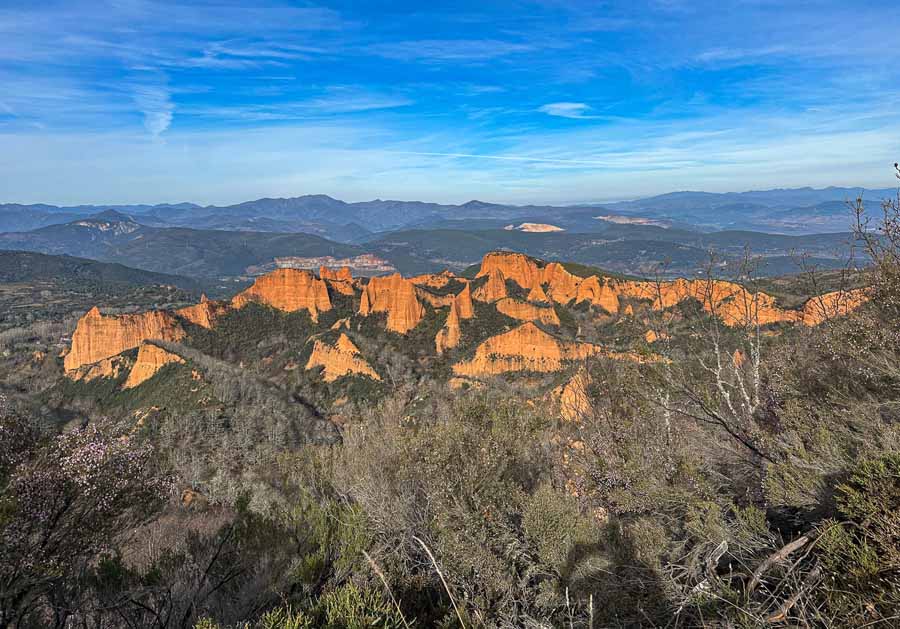
Las Médulas are one of the most unique things to see along the Camino de Invierno. These are actually Roman ruins in the form of old gold mines. The Romans used a complex hydraulic system that destroyed the mountains, and the current landscape remains from over 200 years of mining. Today Las Médulas is a UNESCO World Heritage Site.
The Winter Way also provides the opportunity to walk along the incredible River Sil past hilltop castles, lovely villages, and scenic landscapes.
This Camino route is blessed to pass through the Ribeira Sacra, or Sacred River. This area of Galicia is known for its protected wines, ancient monasteries, tiny hamlets, historical cities, and incredible canyons. Monforte de Lemos sits in the heart of the Ribeira Sacra.
As the way approaches Santiago de Compostela, Pico Sacro welcomes pilgrims to hike to the top to see the myths and legends connected with the way and Saint James. It has been said while Theodore and Athanasius were seeking help to bury the Apostle of James somewhere in Iberia, Queen Lupa sent them to Pico Sacro. At the top of the mountain, they encountered malicious betrayals in the form of dragons and wild bulls.

There is little known about this legend, but it is why pilgrims walking any Camino route end at the Cathedral de Compostela de Santiago. To stand at the alleged tomb of Saint James.
These are just some of the reasons the Camino de Invierno is so special.
Camino de Invierno Budget (During the Winter)
This is a general chart of my Camino de Invierno budget from Ponferrada to Santiago.
This journey took me about 2 weeks (13 days of walking) and was completed during the winter of 2024.
I have included the the zero day in Ponferrada and my final night in Santiago de Compostela. Hence making this budget for the Winter Way for 2 weeks.
| Expenses | Euro (€) |
| Accommodation (Albergues, Hostel, Private Room, Donativos) | € 242.40 |
| Meals & Snacks / Cafes & Drinks + Tips | € 194 |
| Groceries | € 71.50 |
| Misc. Fees (Laundry, Street Performers, Lockers) | € 13 |
| Entrance Fees (Churches & Museums) | € 5.50 |
| Misc Donations (Gifts, Chapels, Food, Etc) | € 16.50 |
| Total (14 Days) | € 542.90 |
This is a pretty budget-friendly 2-week budget for the Camino de Invierno. I found myself sleeping in Municipal Albergues as much as possible. Additionally, I cooked my own food and ate prepared food from grocery stores more than other Camino routes. One reason was that it was winter and some services were limited.
Most mornings I always had a coffee. I tried to eat at least one pilgrim meal a day, but oftentimes I would cook food because of limited services.
I also took the intrepid high mountain route from Ponferrada to Peñalba de Santiago. I booked a private room because I didn’t know what to expect. This increased my average room fee.
As I walked during the winter months, some of my private accommodation options were cheaper than what they would have been during the summer months.
There are lots of opportunities for donations along the Camino de Invierno. I was delighted with the acts of kindness in the form of food and stamps along the way (accompanied by a donation box).
My Camino de Invierno average daily budget was around €38.75 (Winter Season)
Conclusion | A Planning Guide to the Camino de Invierno

In short, this is a planning guide for the Camino de Invierno or the Winter Way. This fabulous route is a variant route from the Camino Frances. Originally the Camino de Invierno was used as a lower-altitude alternative route during the winter months to avoid the higher mountain paths of the Camino Frances in Galicia. This is where the Camino de Invierno earned its name, the Winter Way.
This brief guide is for helping pilgrims with the planning stages for the Camino de Invierno. It also provides insights for comparing the French Way vs the Winter Way. Either way, the route diverges in Ponferrada, the last major city before Santiago de Compostela.
The Camino de Invierno makes for an outstanding individual route as well. With historical landmarks, stunning river valleys, enchanting pueblos, and untouched beauty, the Camino de Invierno is a fantastic Camino route choice. There is something so authentic about this Camino route.
With longer stages and fewer services, this Camino de Santiago route won’t be for everyone. However, those who choose to walk it will undoubtedly find magic along the way.
The Camino de Invierno is one of the most memorable Camino de Santiago routes I’ve walked to date.
Have you walked the Camino de Invierno or planning on walking it? Is there anything you would add or something I can elaborate on? Please let me know in the comments below!
Pack This Post for Later! Pin It!

Disclaimer: There’s a chance this post contains affiliate links, and I receive a small (but grateful) portion of the sale. There’s no extra cost to you, and I only promote things that I use and love.


Hi! Thanks a lot for your work on writing down your experiences and tips on Camino Invierno. I want to ask one question – what if you walk it on your way back? Is it common? I know most pilgrims walk just to Santiago, but I heard some also go back home walking again (or at least part of the journey). Have you ever try? Have you met someone like this? How do the albergue react to this? Can you still sleep there?
Hey! I have not done this yet, but I plan to now that I live on a Camino route!
I think as long as you have the credentials, it shouldn’t be a problem (although during busy times and stopovers, they may grant pilgrims walking to Santiago with preference). I know you can walk back to Santiago from the End of the World.
I have also had a kind Albergue accept me after I walked to Santiago on a completely different route because all of the hostels were closed in town.
I would contact The Pilgrim Office in Santiago to verify.