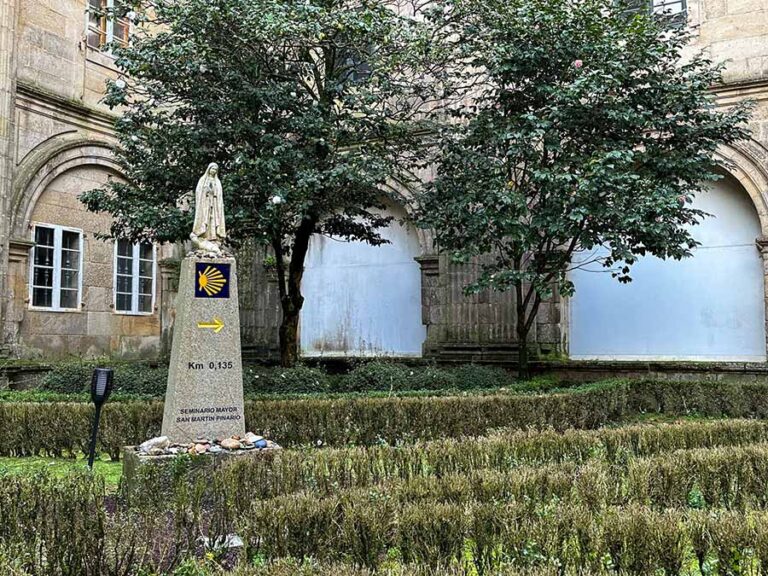

15 Incredible Things to Do in Galicia Spain
Galicia may be one of the most underrated regions in Spain. This lush region in Spain is rich in culture with a tribal Celtic past, was included as part of the Roman Empire, and today houses the ending point of Europe’s grandest pilgrimage, the Camino de Santiago.
Galicia is part of Green Spain and is blessed with enchanted forests, incredible biospheres, and a dramatic and wild coastline. There are unique estuaries, in both the low and high regions. With a fascinating history and untouched landscapes, there are many incredible things to do in Galicia Spain.
All pilgrims waking the life-changing Camino de Santiago will walk through Galicia upon their arrival to Santiago de Compostela. Whether you’re walking or simply savoring the beauty, Galicia is a must-visit destination in Spain.
These are some of my favorite places in Galicia Spain. Included in this guide are tips about visiting Galicia, the best things to do in Galicia, a sample Galicia Itinerary, and highlights of this extremely underrated region.
This is my ultimate guide for what to see in Galicia Spain.
Table of Contents
- Where is Galicia Spain?
- The Absolute Best Things to Do in Galicia Spain
- More Places to See in Galicia
- Quick Galicia Itinerary for First-Time Visitors
- Is Galicia Worth Visiting?
- Conclusion | Incredible Things to Do in Galicia Spain
Where is the Autonomous Community of Galicia?

Green. Spiritual. Enchanting. These three words resonate with me when I let my mind wander to one of my favorite places in Spain, Galicia.
When visiting Galicia Spain, it almost feels like stepping into another country. Long gone are the typical stereotypes of Flamenco and Moorish architecture. Galicia can feel almost mysterious and at a glance, have stronger ties to Ireland than Spain.
The autonomous community of Galicia is located in the Northernmost corner of Spain.
North of Galicia, find the Cantabrian Sea that eventually flows to the Celtic Sea and its distant northern neighbor Ireland. South of Galicia is Portugal, with the Minho River acting as a natural border. Galicia also borders the Spanish autonomous communities of Asturias, Bierzo, and Castile and León to the east. The entire west coast of Galicia is spoiled to be on the Atlantic Ocean. That’s almost 1,000 miles of coastline just on Galicia’s west side!
The Galicia region is classified into four provinces, Lugo, Ourense, A Coruña, and Pontevedra. Digging deeper, Galicia has several recognized natural areas including the picturesque Rías Baixas to the Ribeira Sacra.
What is Galicia Famous For?

Besides its natural gems, Galicia is famous for its unique cultural aspects.
There is the Galician Gaita, a traditional instrument that is similar to the bagpipes of Scotland and Ireland. More so, Galicia has its language, Galego which can be described as a Latin language somewhere between Portuguese and Spanish.
When visiting Galicia there is no shortage of sacred sites from the Celtic culture. In fact, it was believed that the original Camino route was an ancient pathway that followed the Milky Way and was used as a sacred fertility journey. Many Castro ruins can be visited throughout Galicia.
Perhaps what Galicia is most famous for is being the ending point of the Camino de Santiago pilgrimage route of Saint James. Thousands of pilgrims arrive each month to stand in front of one of the most impressive cathedrals in Spain, the Cathedral de Santiago de Compostela. Pilgrims can choose from many starting points and walk hundreds or thousands of miles across Spain and beyond.
Spanish tourists know that Galicia is blessed with some of the best beaches in Spain, even if the water is cold.
15 Incredible Things to Do in Galicia Spain
These are some of the most unmissable and my favorite places to see Galicia Spain.
1 | Explore Santiago de Compostela


Santiago de Compostela is Galicia’s lively capital city. The Old Town in Santiago is a recognized UNESCO World Heritage Site and has a plethora of religious historical sites. By far the most famous site in Santiago is the Cathedral de Santiago de Compostela, which is said to hold the relics of Saint James.
For this reason, Santiago de Compostela is the end of the famous Camino de Santiago pilgrimage route.
Whether you’re a pilgrim or not, there are plenty of things to do in Santiago de Compostela. As one of Spain’s most beautiful cities, it’s easy to enjoy the many attractions that the city offers.
Visit the Cathedral de Santiago de Compostela and maybe attend a mass to see if the giant Botafumeiro swings from the ceiling. A guided tour allows for a chance to see the Portica de Gloria entranceway, just make sure to add the extra admission ticket.
Spend some time in Praza do Obradoiro to celebrate with pilgrims who have just completed their personal Camino de Santiago journey. Energetically, there is no place in the entire world like this plaza.
Foodies can delve deep into the rich cuisine of Galicia. For tapas and casual pickings, wander the street of Rúa do Franco. Don’t miss fresh seafood tapas and sampling pulpo (octopus). Mercado de Abastos is another culinary delight to experience in Santiago de Compostela. Numerous restaurants offer a daily menu and you can even find restaurants boasting a Michelin-star.
Santiago de Compostela boasts plenty of green spaces and parks. Find numerous museums and sites to explore. One of the best things to do in Santiago de Compostela is simply wander the streets and explore the hidden plazas. There are also numerous viewpoints in Santiago de Compostela that showoff its alluring beauty.
With so much to see and do, Santiago de Compostela warrants at least a few days. There are also numerous day trips from Santiago de Compostela, making it an ideal place to sleep and base.
2 | Walk the Camino de Santiago

Any pilgrim walking the Camino de Santiago will get the ultimate gift to slow down and experience the magic of Galicia.
There are numerous Camino de Santiago routes to choose from to receive the Compostela, the official certificate of completion. To obtain the official Compostela in Santiago de Compostela you must walk at least the final 100 kilometers on any of the Camino routes. The last 100 KM also requires a collection of two daily stamps in your Credencial, or pilgrim passport.
The good news is that among all the routes, the final 100 kilometers are all located in enchanting Galicia. I think walking the Camino is the best way to see all that Galicia offers.
By far the most popular Camino route is the Camino Frances. Pilgrims typically start the journey in Saint-Jean-Pied-de-Port France and walk over the Pyrenees Mountains to continue through Spain’s most iconic Camino towns. The Camino Frances passes through the La Rioja region, the vast Meseta, and historical cities like Burgos, León, and Astorga. This Camino route typically takes 5 weeks and is a journey of a lifetime.
Additionally, there are numerous Camino de Santiago routes like the Camino Portuguese with the popular starting point being Porto or the Camino de Norte passing through Basque Country and twisting along Spain’s coast to Galicia.
No matter what Camino route you choose, make sure to pack light and only what you need. One of the best Camino de Santiago tips is to walk your own journey and path. Follow the yellow arrows and take a detour or rest day when called to do so.
I love sleeping in Albergues, or pilgrim hostels, to feel the camaraderie or the spirit of the Way.
So slow down, breathe in the fresh air, and savor being present every moment walking the Camino de Santiago. I can guarantee you won’t forget the mindful steps through Galicia.


3 | Walk the Most Galician Camino de Santiago Route
Those who really want to see the best of Galicia will love walking the Camino de Invierno route. The Camino de Invierno is said to be the most Galician Camino de Santiago route since it is the only Camino route that passes through all four provinces of Galicia (Ourense, Lugo, Pontevedra, A Coruña).
The Camino de Invierno is also called the Winter Way, as traditionally its origin was to help pilgrims avoid the higher mountains entering Galicia via the French Way. The Camino de Invierno can be a divergent route from the Camino Frances or makes for a fantastic standalone Camino route.

The Camino de Invierno starts in Ponferrada and is typically walked between 10 – 14 days. There are different ways to break up the walking stages of the Winter Way.
Highlights of the Camino de Invierno include Las Médulas, the unique landscapes that remain from ancient Roman gold mining. The Winter Way also provides the opportunity to walk past hilltop castles, lovely villages, incredible river valleys, and jaw-dropping scenic landscapes.
On the way into Santiago, hike up Pico Sacro, a peculiar mountain that has ties to the burial story of Saint James.
4 | Visit the Stunning Death Coast
The Death Coast, or Costa da Morte, is the hauntingly beautiful coastline roughly between the villages of Malpica and to the south of Finisterre. This jagged Atlantic Ocean stretch of coast is notorious for having strong currents and crashing waves consequently making it one of the most dangerous shorelines in the world.
The iconic Costa da Morte is filled with charming fishing villages, white sandy beaches, sacred churches, and numerous lighthouses (Faros). One of my favorite Costa da Morte villages is Muxia which has a spectacular walking trail to Os Muiños Beach.

A few of the most stunning beaches of the Costa da Morte are Laxe Beach and Carnota Beach.
Another lovely town of the Costa da Morte is Finisterre. During the Roman times, Finisterre was believed to be the “End of the World” with the literal translation being Finis (end) Terrea (Earth). Many pilgrims walk from Santiago de Compostela via the Camino Finisterre Muxia to stand out at the “End of the World” and reflect on their journey.
While there is a grand lighthouse at the Cape Finisterre, the westernmost point of Spain is actually at Nave Cape and a close second at Cape Touriñan.
If looking for a unique culinary experience, sample the delicacy of Percebes, which are goose barnacles harvested from the rocks of the Costa da Morte.
Muxía and Finisterre are the two most popular towns to sleep in to explore the Death Coast. Although close to each other, each village has a different vibe. If short on time, joining an organized tour of the Costa da Morte is the best way to see all the highlights along the Death Coast.
Another fabulous way to experience the Costa da Morte is to walk the Camino dos Faros or the Lighthouse Way. The trail is not an official Camino route, but a spectacular coastal hiking trail in Galicia. The Ruta dos Faros typically starts in Milpica and ends at Cape Finisterre and covers around 125 miles all while showcasing Galicia’s best seaside villages, epic beaches, and iconic landscapes of the Costa da Morte.
5 | See the Ezaro Waterfall

Not far from the village of Cee is the Cascada de Ezaro. The Ezaro Waterfall flows from the Xallas River or Rio Xallas. This popular Galician Waterfall is one of the few rivers in Europe that flows into the ocean in the form of a waterfall.
The Ezaro waterfall has been around for centuries and the legends and myths of this region flow as strong as its water source of the Xallas River. The Xallas River provides electricity for the region via a handful of hydroelectric dams altering the state of the current waterfall.
Today, visitors can walk along a boardwalk to stand near the base of the falls. During the summer months, there is a nightly lighthouse that illuminates the Cascada de Ezaro. It’s free to visit the Ezaro Waterfall.
After visiting the Cascada de Ezaro drive or hike up the road to catch a glimpse from the Mirador de Ezaro. This lookout boasts views out to Cape Finisterre. Afterward, take a quick swim at Ezaro Beach or catch a drink at a seaside cafe.
6 | Hike the Sacred Monte Pindo

One of the best lesser-known things to do in Galicia is hike up the Sacred Monte Pindo. This incredible hike is still pretty unknown to most visitors in Galicia, yet is filled with myths and legends.
Monte Pindo is often referred to as the Mount Olympus of Spain. Many Celtic stories say that Monte Pindo was home to the Gods and Giants. This sacred mountain was also part of ancient Camino paths, so find old crosses etched into the stones. There are whispers that the Pagan Queen Lupa is buried and hidden with a treasure in a stone grave on the mountainside.
The summit of Monte Pindo is called Moa. The name comes from the bizarre erosion indents that look like human molars. The summit of Moa is at an elevation of 2,057 ft (627 m).
There are numerous routes to hike Monte Pindo, but the out-and-back trail from O Pindo is by far the best. This is a challenging route that is not very trekked with lots of stone paths. The views from the top will leave you with one of the best views of the famous Carnota Beach.
7 | Enjoy Cathedrals Beach

Hands down, Cathedrals Beach is the most famous beach in all of Galicia. Praia das Catedrais is only a short distance from the port city of Ribadeo.
With its stunning stone archway, Cathedrals Beach has become an extremely popular place to visit in Galicia. During the busy summer months and some holidays, you’ll need to make a reservation to stroll the sandy beaches of Cathedral Beach. Make sure to follow the tide charts as it can only be visited at low tide.
Cathedral Beach and Ribadeo make for a popular day tour from Santiago de Compostela.
8 | Spend Time in Underrated Pontevedra

Pontevedra is a bustling university town in Galicia with a spectacular historical quarter filled with plazas bursting with life. The city of Pontevedra is underrated and is home to iconic sites like the church of Santuario da Virxe Peregrina. This Camino de Santiago church is unique and is shaped like the iconic seashell that pilgrims carry with them on the journey.
Pontevedra has such great energy so it’s worth a few days to explore. There are tons of busy tapas bars that get so busy that patrons spill into the medieval streets and plazas. Stroll past the Ruínas de San Domingos, visit a museum, or maybe catch street performers playing typical Galician instruments.
Sleeping in Pontevedra makes for an ideal base to explore the Rías Baixas estuaries. Pontevedra is blessed to have a historical Parador Hotel perfect for seeing the lower estuaries. The Rías Baixas have stretches of remarkable coastline, protected landscapes, tiny islands, and a spectacular wine region.
Even if you can’t visit Pontevedra, check out this boat tour of the Rías Baixas with wine tasting and mussels from Santiago de Compostela.
With more time, a few miles out of Pontevedra is a variant Camino route, the Camino Variante Espiritual. This unforgettable route is one of the most popular detours on the Camino Portuguese with spectacular hiking trails, monasteries, and idyllic villages.
A highlight of this multiday hiking path is experiencing a boat ride through the Ría de Arousa to see the mussel farms, small islands, and the stone crosses. This 3-day walking trip is an unforgettable experience to have from Pontevedra.
9 | Visit the Most Galician Town in Galicia (Combarro)


One of the most picturesque towns in Galicia has to be Combarro. This fantastic seaside village is close to Pontevedra and is part of the Rías Baixas. Found along the Ría de Pontevedra, Combarro is a truly unforgettable Galician village.
Combarros is small but filled with delightful cobblestone streets and cute plazas. Along the seaside are no shortage of restaurants serving up some of the freshest seafood.
What makes Combarro so Galician? The village is home to two very distinct historical items, hórreos and cruceiros.
Hórreos are old granaries that are now protected as a significant historical landmark. Combarro is famous for having the most concentrated number of hórreos of any town in Galicia. Around 30 hórreos are standing in Combarro Spain. What’s unique about the horreos of Combarro is that many of them are located right on the shoreline.
Cruceiros are double-sided stone crosses found throughout Galicia and northern Portugal. Combarros is home to seven cruceiros, many of which are located in the small plazas throughout the village.
With its picturesque streets, delicious seafood, historical structures, and charming old quarter, Combarro is an awesome place to visit in Galicia.
10 | Discover Albariño Wine in Cambados

The seaside village of Cambados is the capital of the Albariño wine region, with nearly 35 vineyards found in the subregion of Val do Salnés. These vineyards are part of the Ruta del Vino Rías Baixas, and Cambados has a handful of wineries, wine shops, and even a wine museum within the town limits.
It’s also possible to visit one of many countryside bodegas near Cambados or join an organized wine tour.
Galicia is famous for Albariño Wine. This grape varietal is found in both Portugal and Spain but thrives in the Rías Baixas. The grape is unique in that it can thrive close to the sea. Albariño can be described as a crisp white wine that has high acidity but drinks quite smooth. It’s one of my favorites.
Besides sipping on wine, there are many things to do in Cambados Spain. The historical city has a port, impressive Renaissance-style palaces, an old fishing village, and lots of lively tapas bars serving up Albariño wine.
11 | Explore the Cies Islands

The Cies Islands are part of the Maritime-Terrestrial National Park of the Atlantic Islands of Galicia. The Archipelago of the Cies Islands consists of three islands found in the Ría de Vigo, which are Monteagudo, Faro, and San Martiño.
The Cies Islands are so incredible that the Romans often called them “the Islands of the Gods.” Expect to find wild landscapes, untouched beaches, and one of the most epic highlights of Galicia.
The Cies Islands are extremely regulated. There are only a certain amount of permits allotted each day, so reserving a space is essential. There are no hotels or places to stay on the Cies Islands, but limited camping is allowed with prior booking.
Today the Cies Islands offer idyllic hiking trails, lighthouses with lookout points, and Roda Beach with white sand and turquoise waters.
The Maritime Terrestrial National Park contains four archipelagos of islands. Nearby Ons Island is highly underrated and also requires a permit. This is my comparative guide on the Cíes Islands and Ons Island. Although they are relatively close to each other, Cíes and Ons are extremely different.
➜ Psst… Can’t get a reservation for the Cíes Islands? Visit Illa de Arousa which requires not permit and can be reached without a ferry! The island is home to a natural park and 22 miles of pristine coastline.
12 | Walk the Scenic Path of Monte Boi in Baiona

Monte Boi is found in the medieval village of Baiona on the Vigo Estuary (Ría de Vigo). This little peninsula houses the Monterreal Castle. Walking the peninsula path around Monte Boi is one of the best things to do in Baiona.
The Paseo de Monte Boi is only 2 Km long and loops around the Monterreal Castle.
The Castle of Monterreal was built during the 12th Century and has always played a role in patrolling marine activities. In 1966, the Parador Hotel opened the Baiona Parador in the former castle.
The scenic path of Monte Boi passes by sandy beaches, through an old gate, and showcases remnants of the old fortress. As the trail twists around the Monterreal Castle appreciate the standing towers and some ruins left behind near the sea and along the path.
One of the best things about the casual walk is the incredible views of the three small Estela Islands and the distant glimpses of the Cíes Islands. During the summer months, ferries take visitors from Baiona to the Cíes Islands.
While the most popular place to see in Baiona is Monte Boi, the seaside town also offers a handful of attractions from the medieval old quarter, a seaside promenade, the Virgin of the Rock observation deck, and the replica of the Carabela A Pinta.
13 | Appreciate Tui on the Minho River

Another fantastic thing to do in Galicia is to visit the historical city of Tui.
Tui is a fantastic medieval village with cobblestone streets and a deep history with the Camino de Santiago. Many pilgrims start their Camino Portuguese from Tui and sleep here the night before departing on their journey.
One of the most iconic landmarks is the Tui Cathedral, which was built during the 12th century and features an intricate facade. From the exterior, the Tui Cathedral looks more like a fortress than an ornate church. What’s special about the Tui Cathedral is the cloister, which is believed to be the oldest in all of Galicia.
This hilltop village in Spain boasts incredible views of the Minho River (Miño). On the other side of the Minho River, Valença Portugal, is equally worth a visit. Those with a sense of adventure can walk across the border and visit both.
14 | Explore Celtic Ruins at Castro de Santa Trega

One of the more unique things to do in Galicia is to visit Celtic ruins. For one of the most preserved Celtic archaeological sites, head to the hilltop Castro de Santa Trega that sits above A Guarda village (near the border of Portugal).
The hilltop settlement on Monte Santa Trega was inhabited by the Celts since before the 1st century B.C. Some say the area was settled maybe around the 4th century B.C. At its peak and prime during the Iron Age around 5,000 people lived on the hillside of Santa Trega.
Monte Santa Trega has a few different excavated ruin sites to visit. The views from the hilltop are memorable and include breathtaking views of the Minho River, the Atlantic Ocean, and the village of A Guarda below. In addition to the ruins and views, don’t miss the small but interesting Museo Arqueolóxico Monte Santa Trega (MASAT).
A Guarda is a lovely village to explore the Castro de Santa Trega. If staying in A Guarda, don’t miss the nearby hike of Muíños do Picón e do Folón. This beautiful hiking route includes 67 stone mills, a waterfall, and incredible views of the O Rosal Valley.
15 | Spend Some Time in the Ribeira Sacra

One of the most beautiful places in Galicia is the Ribeira Sacra, or Sacred River. This area of Galicia is known for its protected wines, ancient monasteries, tiny hamlets, historical cities, and incredible river canyons.
The Ribeira Sacra is still relatively unknown to tourists and it retains a special charm and energy.
Monforte de Lemos sits in the heart of the Ribeira Sacra. This historical city is found on the Camino de Invierno and has significant museums, important Monuments of San Vicente del Pino, a preserved Jewish Quarter, and the Colegio Nuestra Señora de la Antigua, which is oftentimes referred to as the Escorial of Galicia.
The real charm of the Ribeira Sacra is found outside the city and in the stunning river valleys of the Sil River and Minho River. Along the rivers find stone wine terraces growing predominately dry red wines from the Mencia grape and the white grape of Godello.
I recommend at least three days to explore the Ribeira Sacra by car. Here are some of my top recommendations on where to stay to explore the Ribeira Sacra.
The Ribeira Sacra is blessed with untouched hiking trails, hillside wineries, old monasteries, and plenty of observation decks boasting views of the Minho and Sil River Valleys.
More Places to Visit in Galicia Spain
You may notice that this list is missing major cities in Galicia like A Coruña, Vigo, and Lugo. I try to get off the beaten path and gravitate to lesser-known attractions in Galicia.
If looking to explore more populous areas in Galicia, head to A Coruña to see the mammoth Torre de Hércules. This UNESCO World Heritage Lighthouse is the second tallest in Spain. A Coruña is also an excellent base to explore Fragas do Eume, one of the best-preserved and native Atlantic forests in Europe.
Lugo city boasts one of the prime examples of Roman Walls in Spain and is a UNESCO World Heritage Site. It’s best to spend the night in Lugo, as it can be a long day trip from Santiago de Compostela.
Ourense is home to some of Spain’s best hot springs.
A Quick Sample Galicia Itinerary For First-Time Visitors

If you can’t tell by now, Galicia is one of the most spectacular places to visit in Spain. The best way to see the Galicia highlights and attractions is by renting a car. This detailed Galicia road trip highlights the Ríax Baixas but includes ways to incorporate the underrated Ribeira Sacra and the beautiful Death Coast.
No doubt, my favorite way to visit Galicia is by walking through it. Have I convinced you to walk a Camino yet? 😉
If you have a week, base in Santiago de Compostela and take numerous day trips. Ourense, Pontevedra, and A Coruña are all under an hour via bus or train. Lugo and the Death Coast are longer, so plan accordingly.
With a car, you see many of the best things to do in Galicia in a week. Here’s a recommended one week Galicia itinerary with a car that covers a majority of the above Galicia highlights.
- Day 1 | Enjoy Santiago de Compostela
- Day 2 | Pick up a rental car early to explore Ourense (option to visit Cañon del Sil in Ribeira Sacra)
- Day 3 | Tui & Valenca with the option to visit A Guarda (castros)
- Day 4 & 5 | Pontevedra, with visit to Combarro, Cambados, and with luck, the Cies Islands
- Day 6 & 7 | Costa da Morte
Galicia is so special that it’s easy to slow down and spend longer than a week. If you’re like me, you’ll return again and probably walk multiple Camino de Santiago routes. The magnetic pull of Galicia is hard to deny.
Note that this Galicia itinerary skips Lugo and highlights near A Coruna, so longer than a week is ideal. Additionally, I think Santiago de Compostela warrants visiting longer than simply one day.
Is Galicia Spain Worth Visiting?

Yes, Galicia is worth visiting. Galicia is one of my favorite autonomous regions in all of Spain. This underrated destination is home to stunning natural landscapes, epic hiking trails, adorable villages, and tantalizing cuisine. As a bonus, Galicia is relatively affordable, especially during the shoulder and off-season.
Galicia boasts its own language, and culture, and has deep connections to the Celts and later Roman conquest. Visiting Galicia often becomes a highlight of traveling through Spain.
One of the most popular things to do in Galicia is to walk the Camino de Santiago, the Way of Saint James.
Conclusion | What to Do in Galicia Spain & Best Places to See
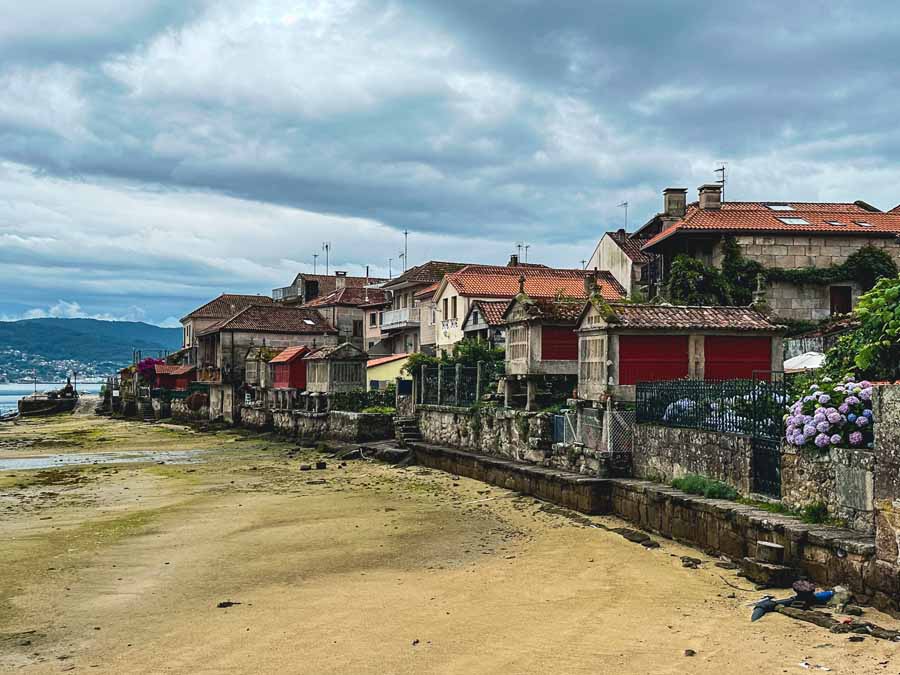
In short, these are some of the best things to do in Galicia Spain. From charming seaside villages to historical cities and natural wonders to waterfalls there are endless Galicia attractions worth visiting.
Galicia is home to stunning beaches like Cathedral Beach and the white sand beaches of the Cíes Islands. My favorite beaches in Galicia are the deserted stretches of Costa da Morte.
One of the best ways to experience Galicia is by walking one of the numerous Camino de Santiago routes. With a car, it’s easy to appreciate the abandoned Celtic Castros or visit hilltop cities.
With such a rich history and culture and pristine beauty, there are truly endless things to do in Galicia!
Pack This Post for Later! Pin It!

Disclaimer: There’s a chance this post contains affiliate links, and I receive a small (but grateful) portion of the sale. There’s no extra cost to you, and I only promote things that I use and love.